The easiest way to boost the supply of housing in Australia would be for governments to build new houses. And the easiest way to provide affordable rental accommodation would be to rent the new government-built houses to people at affordable rents. Fixing a housing crisis is not complicated.

Thu 11 Dec 2025 06.00
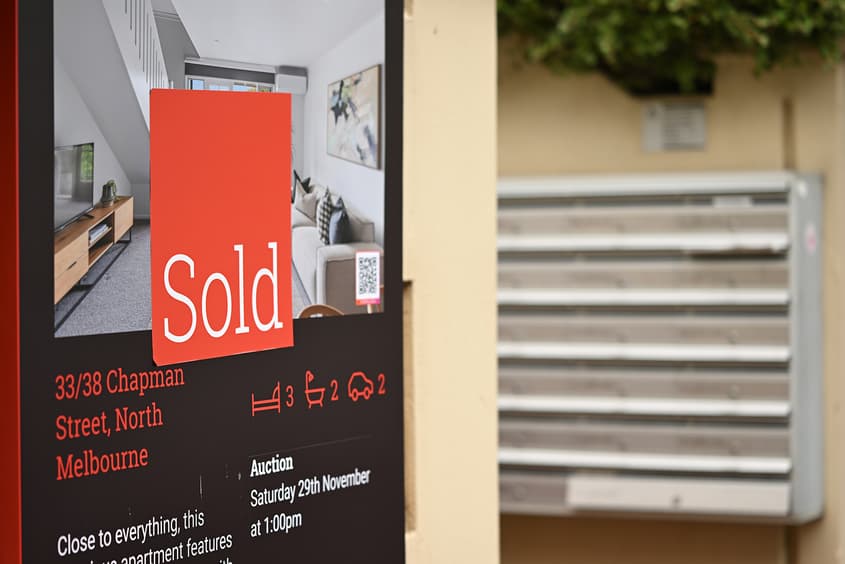
Photo: AAP Image/James Ross


The easiest way to boost the supply of housing in Australia would be for governments to build new houses. And the easiest way to provide affordable rental accommodation would be to rent the new government-built houses to people at affordable rents. Fixing a housing crisis is not complicated.
But instead of our state and federal governments building more housing, they now build a lot less than they used to.
Indeed, our governments are so bad at supplying housing, and our expectations of them are now so low, that most people and most media simply forget to blame governments for failing so badly. The media love to blame governments for a lack of hospital beds, ambulances, police, or roads, but apparently, making people wait for a house is no big deal in Australia 2025.
When governments want to do something, they never let details become an excuse for delay. Want to ban kids from social media but aren’t sure how to verify people’s age? No worries, vote for the legislation and we’ll sort the details as we go.
But when Australian governments don’t want to do something, they come up with the most elaborate and complicated policies to make it look like they are trying.
Want to reduce greenhouse gas emissions but are afraid of making the coal and gas industry sad? Just keep subsidising and approving new gas and coal mines, and then rely on accounting tricks like ‘carbon offsets’ to pretend you are doing something. That should keep people confused and quiet for a few years.
The same applies to housing.
Rather than simply building lots of houses in Australia, we rely instead on providing tens of billions of dollars worth of tax breaks to people wealthy enough to buy their second, or 22nd, house. The hope is that those property speculators rent those homes to the right people at a fair price. What could go wrong?
As with carbon offsets, governments need to keep people confused enough to believe bad policy might have good results one day, which is why they throw around so much econobabble. Again, making things seem complicated is essential if you want to dress inaction up as progress.
When it comes to housing, the best trick is to call everyone buying a house an ‘investor’ because ‘investing’ in housing sounds like a good idea.
What better way to solve a shortage of housing than to encourage investment in housing? And what better way to make it look like your government is encouraging investment in housing than to redefine property speculation as ‘investment’ and people betting house prices will rise as ‘housing investors’.
It’s genuine spin, but as our record-high house prices show, terrible policy.
Consider this: if giving tax breaks to people to buy multiple houses was likely to push house prices down, then buying houses would be a pretty crap investment and no one would do it. Who wants to buy an asset that government policy is going to lower the value of?
Put simply, no one who can afford to buy multiple houses, and no bank willing to lend to them, believes government policy will push house prices down, otherwise, why would they buy one as an investment?
Language is deliberately used to create much of this confusion.
People who buy an existing house as an ‘investment’ aren’t ‘investing’ money in new housing. They are speculating on house prices, not investing in the expansion of the housing supply. They are betting that policies to make houses cheaper will fail, and over the last 30 years they have been spot on.
Just as buying a share in BHP or the Commonwealth Bank from an existing shareholder has no impact on the number of shares on issue, or mines or bank branches, buying existing houses does precisely nothing to ‘boost the supply’ of housing in Australia. Buying existing houses doesn’t even impact the rental market, as speculators are either buying from other landlords (no change in the number of rental properties) or from people who live in their house (who now need to go and rent a house).
The easiest way to ensure more houses are built, and that the people who need them most get them, is for the government to build more houses and rent them to people who need them. Not only did Australian governments used to do that, and not only do most countries still do that, but Australian governments still do it today, but only for those who work in the military.
The Defence Housing Authority, as the name suggests, builds houses and rents them cheaply not just to our defence personnel, but to US nuclear submariners. Imagine if we were as generous to nurses, teachers, child care workers or, everyone. Again, governments know how to solve problems when they want to.
The problem, of course, is that if the Government treated all Australians as well as it treats defence personnel, then housing supply would increase, house prices and rents would fall, and all of the property speculators would feel sad. And like the fossil fuel industry, the Albanese Government doesn’t want to make wealthy people who own 22 houses sad, so it talks a lot about complicated policies and pretends to be surprised when they don’t work.
Public investment in housing and restricting tax concessions to only those who actually build new houses would lower house prices and rents. That’s why there’s little chance of it happening soon. Until governments fear voters more than powerful interests, it makes perfect sense to introduce complicated policies that don’t work rather than do simple things that would
Richard Denniss is the co-chief executive of the Australia Institute.
Advertisement

New research shows fossil fuel subsidies will reach $16.3 billion in 2025–26, rising faster than the NDIS. Handouts to mining giants are growing faster than support for Australians with disability.

The idea that there’s only so much money to go around makes a bastard kind of sense to the poor. If impossible decisions abound in their lives, it must be true of governments, too. Certainly, that’s how federal budgets are framed. But beyond impressionism, we know the household budget is not analogous to state budgets in any meaningful way.

For the last decade, Australians have been continually told by the gas industry, media commentators and politicians we have a gas shortage. These claims are almost always used to pressure Australian governments to approve open new gas fields on the basis that the gas is needed to supply Australians and reduce gas prices.