For the last decade, Australians have been continually told by the gas industry, media commentators and politicians we have a gas shortage. These claims are almost always used to pressure Australian governments to approve open new gas fields on the basis that the gas is needed to supply Australians and reduce gas prices.
By Mark Ogge
Thu 12 Mar 2026 23.23 AEDT
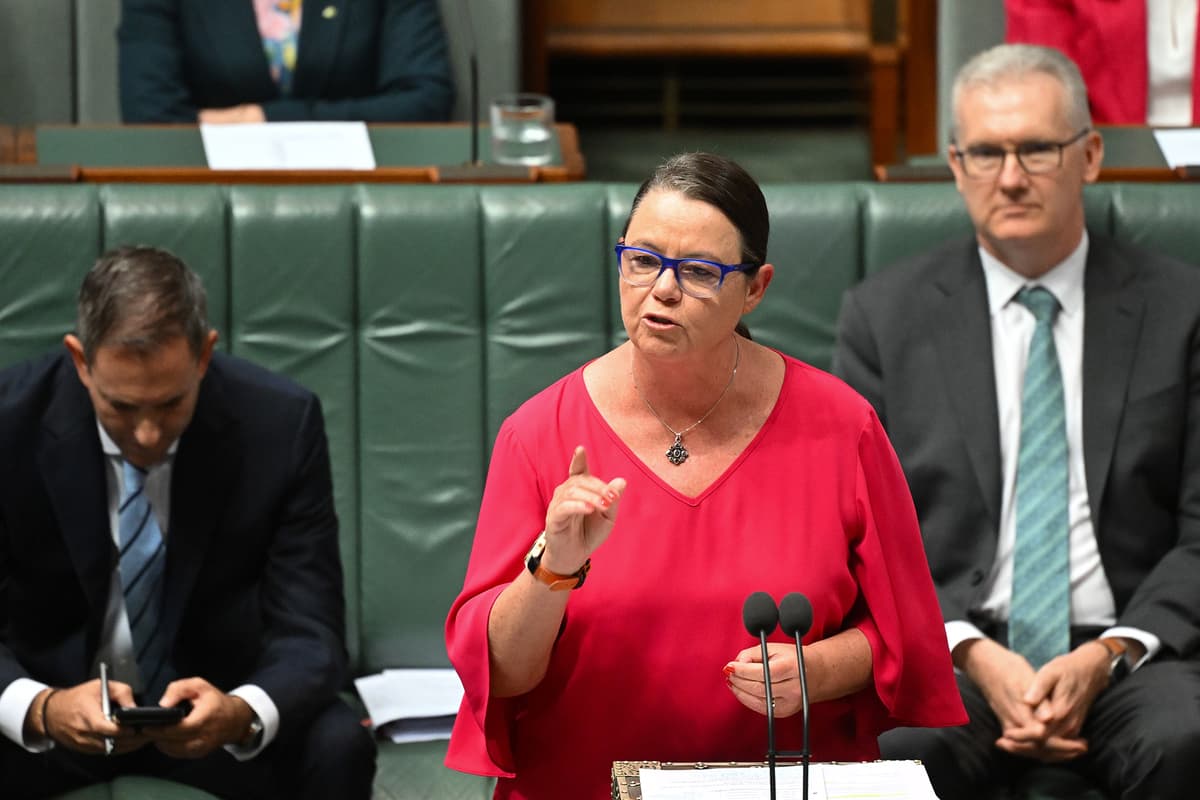
Photo: AAP Image/Lukas Coch


For the last decade, Australians have been continually told by the gas industry, media commentators and politicians we have a gas shortage. These claims are almost always used to pressure Australian governments to approve open new gas fields on the basis that the gas is needed to supply Australians and reduce gas prices.
As it turns out they are pushing on an open door.
When Australia’s Resources Minister Madeleine King controversially announced late last year that the Federal Government would open new areas for gas exploration off Victoria’s Surf Coast, she justified it as being necessary to make sure Australians have enough gas and bring down gas prices:
“The release of new acreage supports our Future Gas Strategy and will help ensure Australians continue to have access to gas at affordable prices.”
There is no gas shortage in Australia. In fact, Australia is one of the largest gas producers in the world. The problem is that Australian governments let a handful of mostly foreign owned gas companies export over 80% of Australia’s gas. In fact, the gas exporters use more gas processing the gas for export than Australians use for electricity, manufacturing or in households and businesses.
The Australian Government’s own data shows over Australian gas production has more than doubled since 2015, while the amount of gas used by Australians has fallen by around 25%.
The increase in gas production in Australia has been one of the largest and fastest anywhere in the world. The problem is that the entire increase in production has gone to exports instead of supplying Australians.
In fact, despite the massive increase in production, gas exporters have throttled supply to Australians, effectively engineering shortages for Australians so they can charge Australians more for our own gas. This has led to a tripling of wholesale Australian gas prices and because the gas price largely sets the electricity price in eastern Australia, electricity prices have also doubled.
The chart above compares gas prices and gas production in eastern Australia. The fact that gas prices have tripled over the same period that gas production has also tripled shows beyond any doubt that increasing gas production does not reduce gas prices for Australians.
The gas industry then uses the “shortages” they have themselves deliberately engineered to pressure governments to approve ever more new gas projects, like the Victorian Surf Coast example above. The gas industry is using the same charade to pressure governments to allow unpopular and environmentally destructive new gas projects like fracking in the Northern Territory, the Pilliga Forest near Narrabri in New South Wales, and even gas mega projects in Western Australia.
Australian governments almost always comply despite the clear evidence over the last two decades that new gas fields only lead to more exports, more climate and environmental damage, and do nothing to solve shortages or high prices for Australians.
Advertisement