Perhaps the most screwed aspect of how the media covers economics and business is how profits and business expenses are written about as though they are glorious things with no losers, while wages growth is always a danger that actually will hurt customers.

Wed 18 Feb 2026 13.27 AEDT
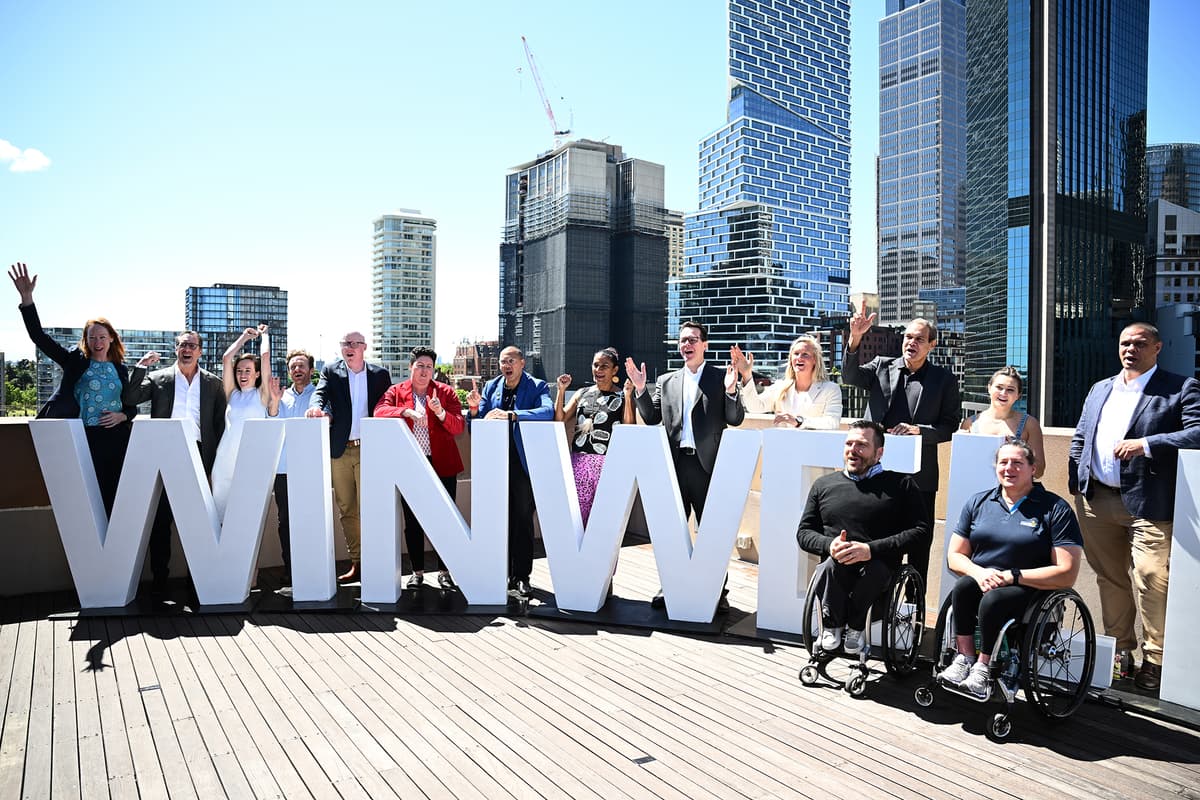
Photo: Australian Olympic and Paralympic athletes at the offical launch of their long-term plan aimed at building success towards Brisbane 2032. (AAP Image/Dan Himbrechts)


Perhaps the most screwed aspect of how the media covers economics and business is how profits and business expenses are written about as though they are glorious things with no losers, while wages growth is always a danger that actually will hurt customers.
You might think that workers getting paid more is a good thing? But no, you are clearly not a serious economic writer who knows wage growth is bad.
Consider last year the AFR reported that “Rising labour costs squeeze firms, curb rate cuts”. Rising wages are reported as being bad because it is always unquestioned that companies will pass on those costs to consumers in higher prices and as a result the RBA will raise rates.
And yet that logic never applies to other business costs – including advertising
Today the AFR reports that the very profitable Commonwealth Bank is “close to announcing a $200m sponsorship deal for the Brisbane 2032 Olympics.
The AFR reports it in glowing terms as though CBA has pulled off a coup, even though it notes “Westpac had also considered making an offer for the sponsorship, but did not want to be drawn into a bidding war when the price got too high.”
It there any mention that the Commonwealth Bank will have to pass on the costs of this $200m onto customers in the form of higher fees, or higher interest rates?
No, it is just some business cost that businesses are expected to make.
But pay more for the workers in that business? Horror! We must raise prices!
In the last financial year, the Big 4 banks spent nearly $1bn on advertising and marketing – or just a touch less than the entire annual budget of the ABC.
Did that advertising produce a better loan for consumers? Did it improve productivity? Is the Commonwealth Bank sponsoring the Brisbane Olympics going to make people more able to visit a local branch, or it just another cost that is actually passed onto customers?
As former Governor of the Reserve Bank, Philip Lowe, noted back in 2020, the best way to get a good deal from a bank is not to listen to their adverts, but to just ring them up and demand a lower mortgage rate.
If banks are so worried about rising costs that they are being “forced” to pass onto customers in higher prices, or higher interest rates, they should be lobbying for a ban on banking advertisements and sponsorships.
That would increase competition because it would reduce the power of the Big 4 and because it would lower costs it would enable them to lower banking fees.
Because when you read that a bank is spending millions sponsoring an event or a team, ask yourself wouldn’t it just be better if they offered lower fees and mortgage rates?
Greg Jericho is chief economist at The Australia Institute.
Advertisement
Advertisement

