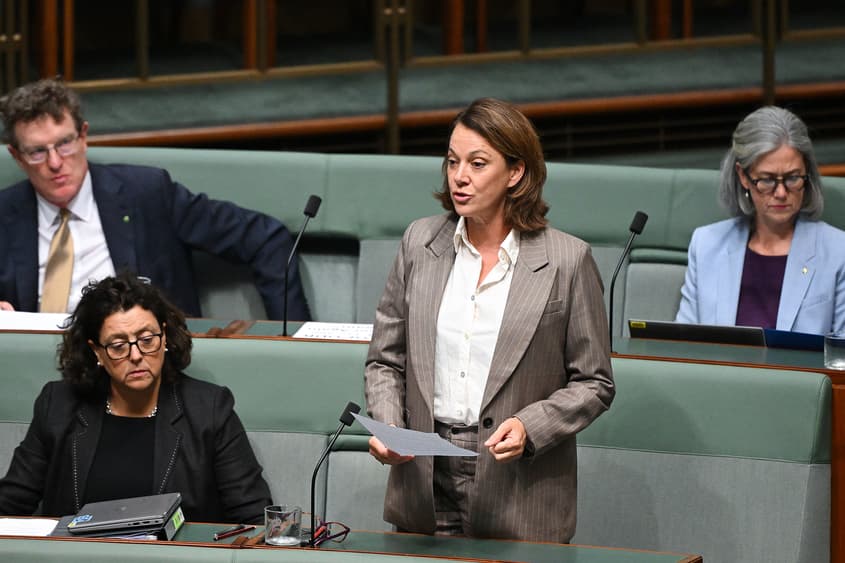
You could be forgiven for assuming that we have a robustly protected ‘right to protest’ in Australia. The ‘right to assemble in public’ has long been respected in common law legal systems; but in Australia, this right only applies if it is not overridden by parliamentary laws.


Fri 20 Mar 2026 00.00
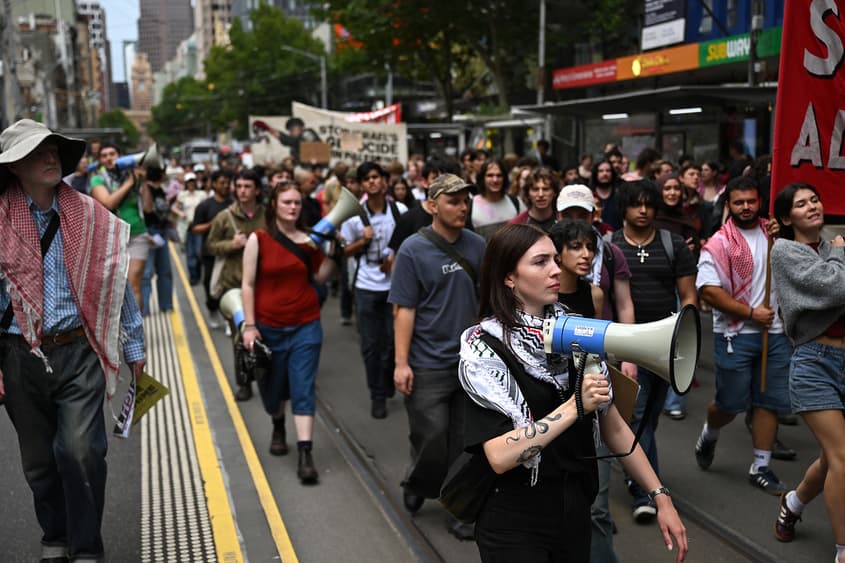
Photo: AAP Image/James Ross


You could be forgiven for assuming that we have a robustly protected ‘right to protest’ in Australia. The ‘right to assemble in public’ has long been respected in common law legal systems; but in Australia, this right only applies if it is not overridden by parliamentary laws.
The Australian Constitution does not explicitly protect the right to protest. Rather, the High Court of Australia has “implied” into its text a ‘freedom of political communication’ which places a limit on laws and government decisions that unreasonably restrict political communication, which includes peaceful protest. Some states now offer limited protections through Human Rights Acts which can easily be overridden.
What does this mean for the so-called ‘right to protest’ in Australia? In the absence of explicit and strong protections at national, state and territory levels, the ‘right’ to protest is qualified at best. It is subject to constraints imposed by legislation and neither inalienable nor firmly safeguarded.
In recent years we have seen consistent and increased legislative incursions throughout Australia that pose an existential threat to protest. There has been a well-documented shrinking of civic space and democratic participation, and a troubling increase in police surveillance, excessive force and harsher penalties used to suppress protest and dissent and deter and punish activists.
As lawyers representing environmental and climate defenders, we have followed legal developments closely. The expansion of police powers and rapid succession of anti-protest laws chills protest across multiple movements. If you care about democracy and human rights, these trends should alarm you regardless of the movement or cause you support.
Following the Bondi terror attack, state governments have tightened laws to restrict mass protests.
In NSW, the government enacted laws to allow the police to prevent public assemblies in ‘designated areas’ for up to 90 days after a terrorist incident. This restriction contributed to thousands of people – who protested in Sydney’s CBD on 9 February 2026 against Israeli President Isaac Herzog’s visit – not being afforded certain legal protections which are particularly relevant at protests, like immunity from prosecution for blocking traffic or pedestrians. The laws were justified on the basis of maintaining “social cohesion”, however the protest saw allegations of police violence which are now being investigated by the State’s police watchdog. The laws have also been the subject of a constitutional challenge filed by Palestine Action Group, Blak Caucus and Jews Against the Occupation ’48. The court’s decision is pending, but when released, will determine the validity of the new laws and importantly, whether the legislation will remain in force or be invalidated with parliament sent back to the drawing board.
In Queensland, new laws have been proposed to ban certain protest slogans and symbols that ‘might reasonably be expected to cause a member of the public to feel menaced, harassed or offended’, with maximum penalties of up to two years’ imprisonment.
In Western Australia, just last week, the Legislative Assembly passed a Bill to introduce laws expanding the grounds upon which a protest can be refused and in Victoria, last year, the government announced it would follow NSW’s lead by introducing legislation similar to their recent laws.
But these latest reforms were already on top of previously made laws that disproportionately target and criminalise environmental defenders and people advocating for action on climate change. A recent international study found Australia leads the world in arresting climate and environmental protestors.
In April 2022, the NSW Government passed tough laws further criminalising obstructing major roads, tunnels, bridges and major facilities, with threats of up to two years imprisonment or $22,000 fines. These laws were introduced following a protest by Blockade Australia, a direct action group focused on responding to the climate and ecological crises. A constitutional challenge by two “Knitting Nannas” invalidated parts of the laws because they imposed an ‘unjustified burden’ on political communication, while other, more specific regulations were upheld by the NSW Supreme Court.
Tasmania and Victoria followed with a focus on forest protestors: the Tasmanian Government introduced harsh penalties relating to trespass and obstruction under which a community member protesting the destruction of old growth forests on a forestry site could face a fine of over $13,000 or 2 years in prison; while the Victorian Government passed laws significantly increasing the penalties for protesting in Victoria’s state-run logging areas.
In mid-2023, in response to an Extinction Rebellion protest in the Adelaide CBD, the South Australian Government rushed through harsh anti-protest laws that increased the penalties for obstructing a public place, from a $750 to $50,000 fine, or up to three months in jail.
The message these legal changes send to the broader public is: protest is only allowed within the strict confines of palatable political causes and tactics and what is “palatable” is rapidly changing.
As lawyers defending the rights of people on the front line of climate and environmental action, we are not surprised that the gradual erosion of civil liberties coincides with increased numbers of arrests and charges for peaceful protests.
We expect to continue to see people from all walks of life who care about democracy, human rights and a safe climate future take action despite the increased personal risks associated with it. We remain committed to challenging the application of harsh anti-protest laws as well as to defending unjust prosecutions – including on behalf of over 100 of the participants in last year’s Rising Tide’s People’s Blockade at the Port of Newcastle.
The erosion of the right to protest and the criminalisation of peaceful dissent are worrying trends in Australia, that both undermine democracy and accountability. The failure to protect protest rights disproportionately impacts people with the least access to institutional power and who rely on peaceful assembly to have their voices heard.
Julia Grix is the Founder and Executive Director of Climate Defenders Australia.
Jocelyn McGarity is a Senior Solicitor at Climate Defenders Australia, Australia’s first dedicated legal service to protect, empower and advance the rights of frontline environmental and climate defenders.
Advertisement
With South Australia in its final week of campaigning ahead of the state election, you may have noticed while there’s been a few scandals around mistaken identity of hospital patients and controversial candidates’ opinions, accusations of politicians lying are muted.
An investigation into the illegal Robodebt scheme has found two senior public officials engaged in corrupt conduct, but the Greens say the political and bureaucratic “architects” have “walked away scot-free”.
Independent MP Sophie Scamps has questioned Prime Minister Anthony Albanese about reports that he offered his Liberal–National Coalition rivals extra staff in exchange for their support for the Labor Government’s crackdown on freedom of information rights. To her credit, then Opposition Leader Sussan Ley turned him down on this offer.