Tue 17 Mar 2026 13.00
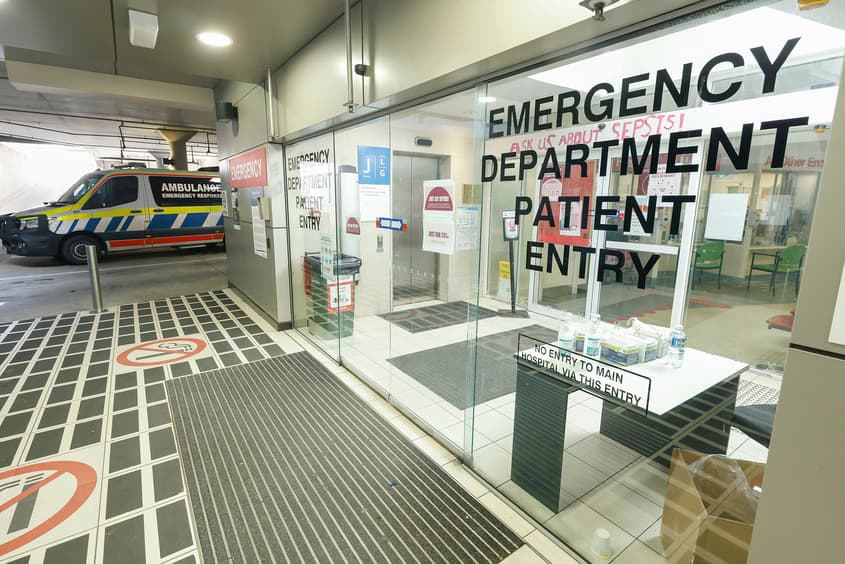
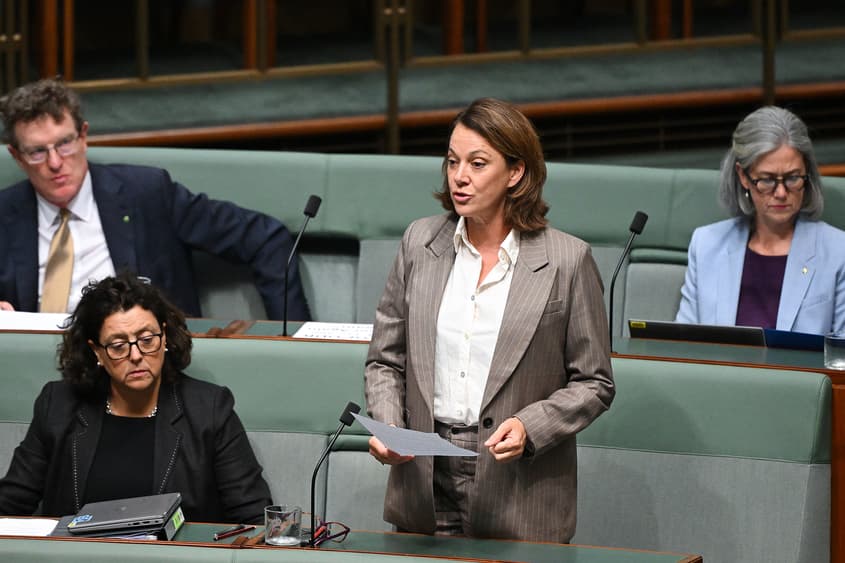
Photo: AAP Image/Rob Blakers


Behind the closed doors of a consultation room, or concealed by impenetrable medical jargon, wrongdoing in the healthcare sector impacts the lives of every Australian. Last month, the devastating stories revealed by women who received endometriosis treatment from a renowned gynaecologist revealed shocking systemic failures, and shone a light on the risks that whistleblowers face when speaking up about wrongdoing in the healthcare sector.
Women whistleblowers have long been instrumental to exposing harm in Australia’s healthcare system – from Toni Hoffman, who exposed ‘Dr Death’ at Bundaberg Base Hospital, to Jackie Pulleine, who shed light on maternal care failures at Redcliffe Hospital.
While healthcare workers of all genders can and do blow the whistle, the reality is that women dominate Australia’s healthcare workforce, making up roughly three quarters of all nurses, doctors, dental practitioners, and allied health professionals. When those women aren’t protected or empowered to speak up when they see wrongdoing, we are losing vital opportunities to ensure we retain access to safe, reliable, and affordable healthcare.
Women whistleblowers play a critical role in ensuring the integrity of our healthcare system. The numbers speak for themselves. The Women Speaking Up Report, which analysed data from the Human Rights Law Centre’s Whistleblower Project, showed that 1 in 5 of their women clients blew the whistle about the healthcare sector. When these women spoke up, they overwhelmingly disclosed wrongdoing about the endangerment and mistreatment of people – seeking to protect people from discrimination, substandard care, and risks to patients’ health, safety, and privacy.
Despite the key role they play in ensuring accountability in the sector, all of the women included in the Project’s report faced retaliation for their actions, being bullied and harassed, losing their jobs, and even having allegations of misconduct made against them.
This is alarming, but perhaps not surprising. Studies on whistleblowing in healthcare in the UK have revealed similar insights. For example, a 2012 Medical Protection Society study found that almost half of the doctors surveyed feared the consequences of blowing the whistle, and only a third of doctors who had previously blown the whistle felt that their colleagues supported their decisions.
These studies paint the picture of a sector that is hostile towards those who speak up about wrongdoing. In fact, a 2013 poll among Royal College of Nursing members found that a quarter had been actively discouraged from blowing the whistle.
While little research in this area has been conducted domestically, reporting in recent weeks following the investigation into Dr Gordon reveals a similar culture of silence and hostility those who do speak up.
Dr Yoo-Young Lee has shed light on how the system fails to act when concerns are raised, failing both patients and other practitioners. Interviews with Dr Desiree Yap and Dr Shamitha Kathurusinghe have revealed how being a “team player” and career progression are deeply intertwined, meaning that speaking up can be “career-ending”.
Undoubtedly, this systemic hostility towards whistleblowers in healthcare disproportionately affects and disincentivises women. Women are already more likely to face precarious work conditions, more likely to experience other forms of workplace discrimination and harassment, and can face greater challenges in accessing legal and psychological support. As Dr Kathurusinghe rightfully notes, speaking up can also be complicated by women’s intersectional experiences.
So, what can be done to prevent gender dynamics in the workplace from silencing women? We can action the reforms that have long been called for – amend our whistleblowing laws to make them more accessible, provide funding for access to legal and psychological support for whistleblowers, harmonise our whistleblowing laws so that healthcare workers working across aged care, NDIS and the public and private sectors can consistently make reports to the appropriate regulators. These changes will benefit all whistleblowers, but also address the indirect barriers that prevent women from speaking up.
But to meaningfully change the narrative for our women whistleblowers in healthcare, law reform alone is not enough. Healthcare institutions must also foster a culture that encourages people to speak up when they see wrongdoing, and protects those that do.
The voices of women in healthcare are crucial – we need to do better to listen and protect those brave enough to speak out. And when we do, every single person who has ever divulged their health concerns to a GP, made a panicked midnight trip to the ER, or entrusted their elderly parent or sickly child to our nurses and doctors, will benefit.
Angela Xu is an Anne Kantor Fellow at The Australia Institute. This article forms part of a series on whistleblower protections.
Advertisement
An investigation into the illegal Robodebt scheme has found two senior public officials engaged in corrupt conduct, but the Greens say the political and bureaucratic “architects” have “walked away scot-free”.

Australia doesn’t have a shortage of houses, a shortage of gas, or a shortage of bullshit about housing and gas supply. Australia is one of the world’s largest exporters of gas, but we’re often told we don’t have enough gas. Likewise, Australia has more houses and apartments -- in absolutes terms and per person -- than we did in the 1960s.
Independent MP Sophie Scamps has questioned Prime Minister Anthony Albanese about reports that he offered his Liberal–National Coalition rivals extra staff in exchange for their support for the Labor Government’s crackdown on freedom of information rights. To her credit, then Opposition Leader Sussan Ley turned him down on this offer.