There is nothing like a trek in the jungle. Rock hopping up a wild river and losing time amidst the glow of a lush green canopy. Australia is blessed with some of the world’s oldest tropical rainforests, and lucky for us, they are protected in the Wet Tropics World Heritage Area.
I have always been drawn to forests, so it is no surprise that I spent the last decade working to protect one of Indonesia’s largest stretches of tropical rainforest––The Leuser Ecosystem.
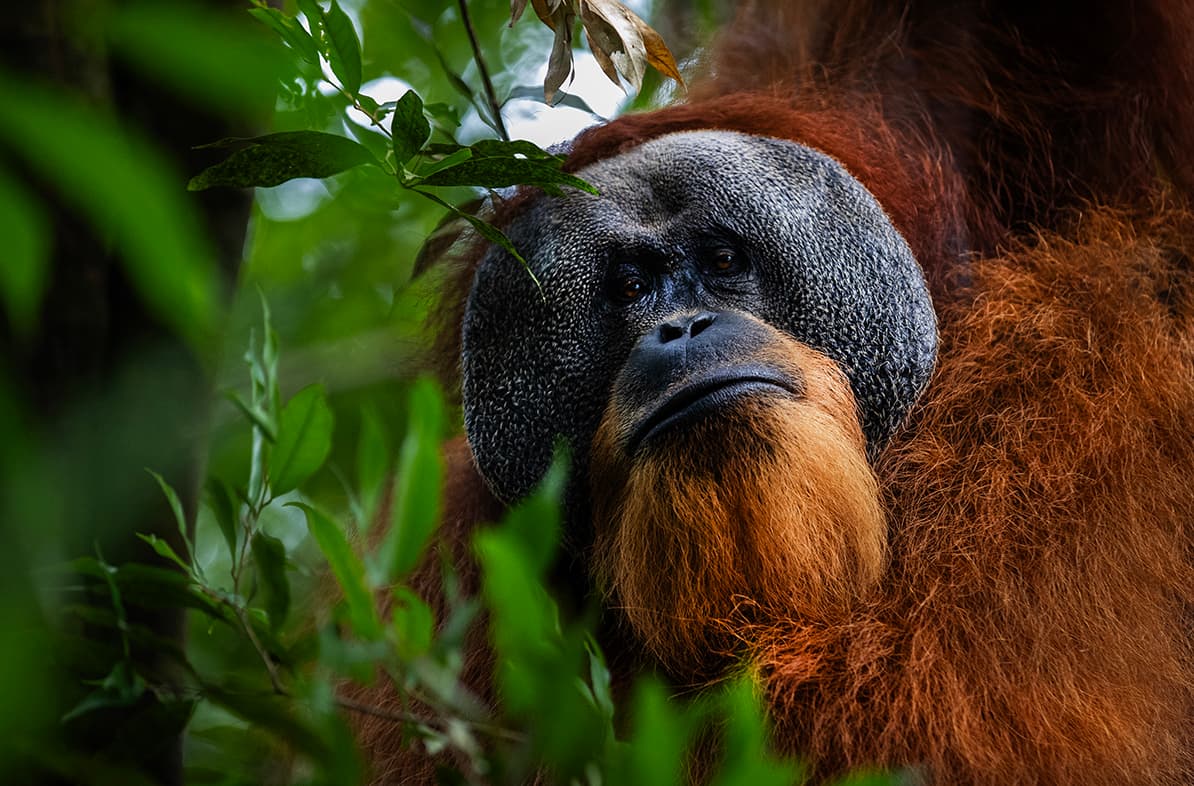
The Leuser Ecosystem is a 2.6 million-hectare stretch of tropical rainforests which has been dubbed the “Orangutan Capital of the World”.
Located in the Indonesian provinces of Aceh and North Sumatra, it is home to the densest populations of Sumatran orangutans and is the only place on Earth where Sumatran orangutans, Sumatran tigers, Sumatran elephants, Sumatran rhinos and sunbears all roam free. It is a source of life and livelihoods for millions. Generations of Acehnese people have fought to protect this forest from destruction for over a century.
When I first explored the jungles in Aceh, I was blown away by its diversity but also by the rate of its destruction by one commodity––palm oil. Seeing the destruction firsthand was a catalyst that compelled me to move to the US so that I could shift from awareness to action.
I became a campaigner for an organisation that was determined to drive change in the palm oil sector. I’ve recently reflected on my decade-long journey to protect the Leuser Ecosystem and feel that what I’ve learned may be relevant for current efforts to protect Australia’s last threatened forests.
It is clear that we protect the places we love. We all know that advocacy campaigns succeed when there is a groundswell of awareness and concern for wild places threatened by development. Most of our protected areas have been secured in the face of this type of adversity. For unknown and especially remote places, creating a distinct identity and raising its profile is a critical first step. We need to make a natural place a household name locally, or sometimes globally. A place that is held in the heart of many.
Using pictures tells a thousand words. Advocates and campaigners are experienced at telling stories in a way that evokes emotive feelings that compel people to act. We do this because action in all forms is needed to save nature––from contacting decision makers or financiers/investors, signing petitions, showing up for public events and rallies, to making donations that keep the campaigns going.
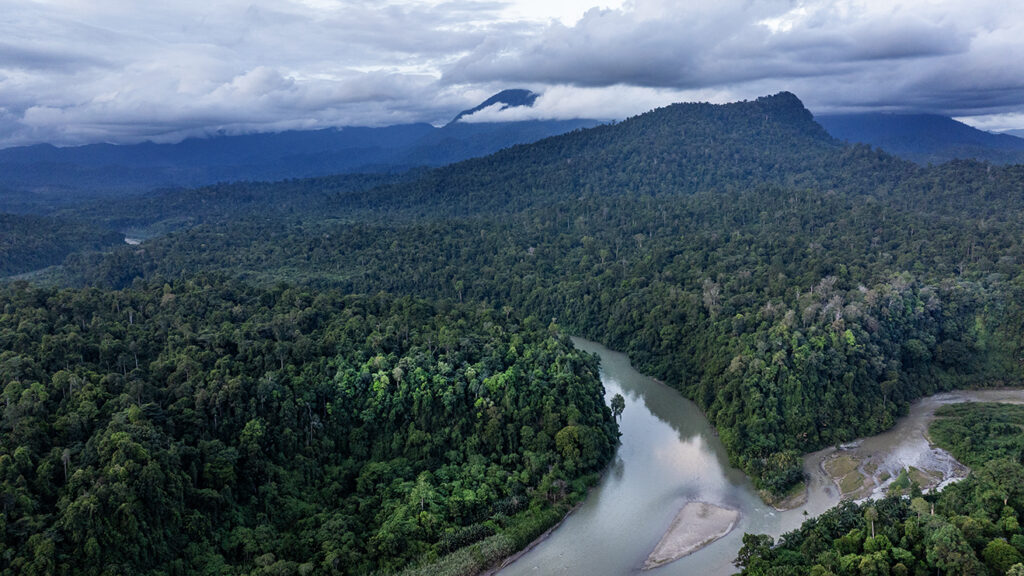
- Photo: aerial of Leuser ecosystem (Paul Hilton/supplied)
Frontline defence by First Nations Peoples, local communities and activists is key––especially when the bulldozers or balls and chains are at work clearing native forests and woodlands. We work tirelessly to shift the bell curve in public opinion and gain support for our issue and the decisions or policy changes, needed to save a place from destruction.
All of these approaches are essential, but one of the most compelling lessons I learned from campaigning to save the Leuser Ecosystem is that getting market actors to drive the change through their supply chains is critical. Forests are falling because of consumer demand for cheap commodities. The product driving the destruction may be a ubiquitous vegetable oil like palm oil, the paper, packaging and timber products we use daily, the meat we throw on the BBQ, or minerals like bauxite, iron ore or coal.
Regardless of the commodity, there are many corporations driving the demand for the product that is being produced at the expense of nature. With a savvy approach, these corporations––and/or their investors and financiers––can be turned from the corporate adversaries causing the problem to influential buyers advocating for solutions with governments and actors in their supply chain or investment portfolios alike.
Whether we like it or not, we live in a capitalist society, and corporations exercise significant power and control over our governments. If we don’t compel the corporations that benefit from the exploitation of our forests to change, we are unlikely to see governments of the day be brave enough to drive much-needed reforms in the extractive industries that are behind Australia’s forest and biodiversity crisis.
You can read more about this in Rainforest Action Network’s 10 Years in the Leuser report.
Gemma Tillack is the former forest policy director at Rainforest Action Network.