Getting a fair return on our gas exports makes sense, but thanks to some deft lobbying it’s been avoided for decades.
The issue has now landed squarely in the mainstream, with support from voters across the political spectrum. Despite that, the political class still can’t bring itself to act.
The case for a 25% tax on Australia’s gas exports is backed by trade unions, welfare groups, Labor backbenchers, the Liberal Party industry spokesperson, crossbench senators, and the CEO of the Commonwealth Bank.
Polling shows more than three in five Australians support the tax.
March and April 2026 polling puts it higher still — seven in ten voters nationally, including four in five Labor voters, two in three One Nation voters, and seven in ten Greens voters.
That is not a fringe position: that is a mainstream mandate waiting to happen.
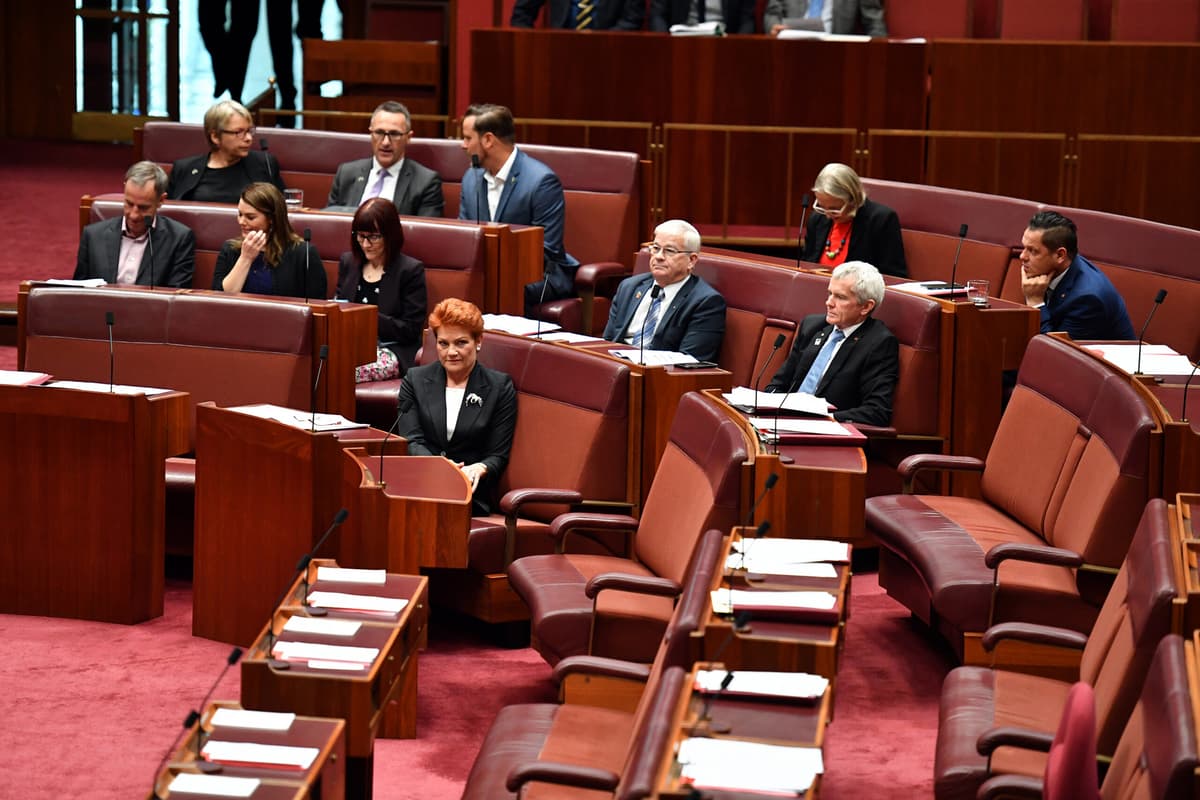
And yet a Parliament in which Labor holds an historic majority won’t use its mandate. So, it’s time to ask the Australian people directly.
The call for a plebiscite
Let the people decide through a national plebiscite — a direct vote — on a simple question:
“Should the Australian Parliament introduce a 25% tax on Australia’s gas exports?”
A plebiscite is a national vote on a policy question that doesn’t affect the Constitution. The most recent example most Australians will remember is the 2017 postal survey on marriage equality, in which the Yes vote was successful.
Parliament respected that result and changed the law the same year. A plebiscite on a gas export tax would work the same way: if most Australians vote Yes, that sends a clear message to governments to act.
When political donations, industry lobbying, and major party paralysis conspire to block a policy that is already popular and necessary, a direct vote gives Australians the power to cut through.
How a 25% gas export tax would work
A gas export tax applies only to gas sold overseas, not to the domestic market. Critically, companies could avoid the export tax by selling into the Australian domestic market, which would increase supply and help lower gas and electricity prices for households and businesses.
Gas sells at a world price. No one pays a premium for Norwegian gas because Norway imposes a 78% resource tax. Australian gas doesn’t sell at a discount because we’ve been giving it away. A gas export tax would be absorbed by the company, not passed on to overseas buyers.
Nor would a tax threaten existing contracts.
Australia exports more ‘uncontracted’ or ‘extra’ gas on the global spot market than all the gas used by every household, industry, and electricity generator in Australia combined.
Diverting that uncontracted gas to domestic use would lower prices and more than cover immediate needs while Australia transitions to renewable energy. AEMO’s data confirms that domestic gas usage is in structural decline.
The great gas giveaway by the numbers
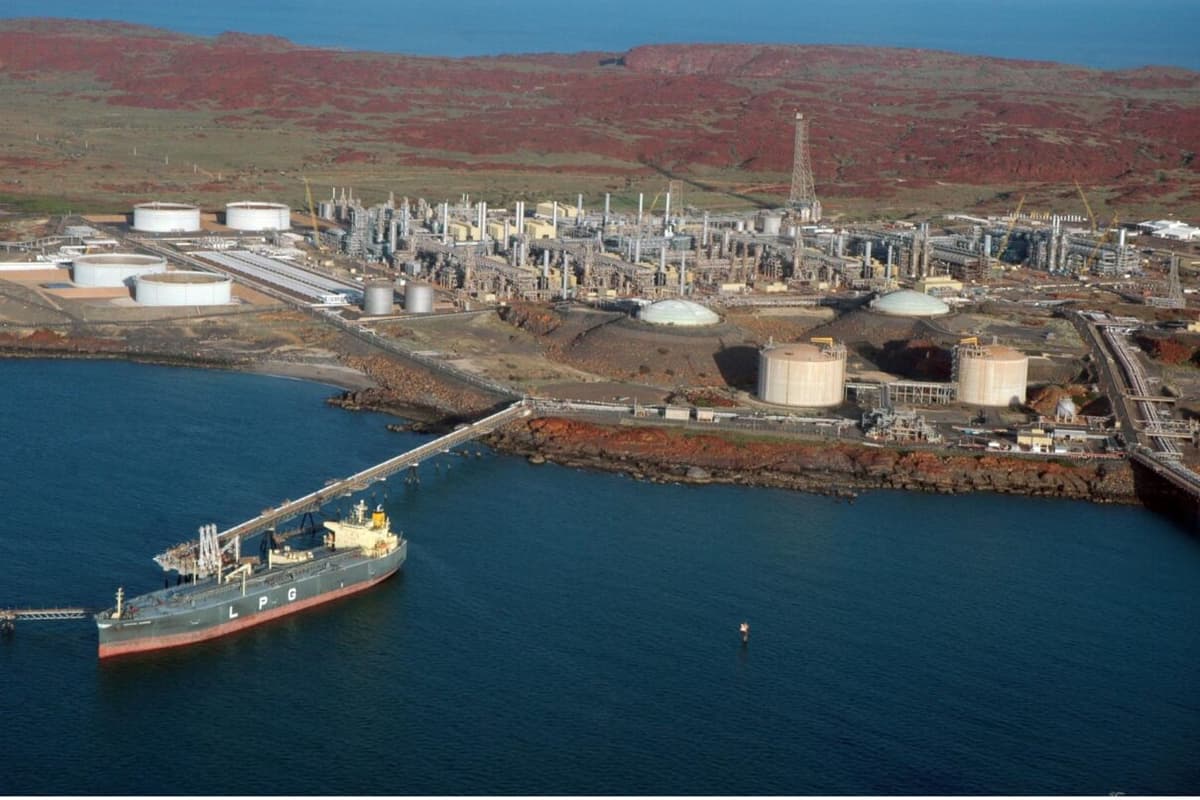
Australia is one of the world’s largest LNG exporters. Our gas — extracted from under our oceans in commonwealth waters — is shipped offshore by multinational corporations generating billions in profit, while Australian households face energy bills, they can’t afford and a federal budget that pleads poverty on schools and hospitals.
Over half (56%) of gas exported from Australia attracts zero royalty payments. Between 2021–22 and 2024–25, Australia exported $170 billion worth of royalty-free LNG. Not a single LNG export project has ever paid PRRT.
The numbers that really land:
Since the Albanese Government took office, Australia has missed out on around $72 billion in foregone revenue — tracked in real time by The Australia Institute’s Gas Giveaway Tracker. Every week of delay costs another $350 million.
A 25% flat export tax is estimated to raise up to $17 billion per year . Almost enough to fund the entire Pharmaceutical Benefits Scheme, which saved patients $17.7 billion in 2023–24.
When voters were told this, an overwhelming majority said the money should go into health and aged care. The Australia Institute’s research maps out the other possibilities: public housing, universal childcare, the NDIS, free tertiary education, and cost-of-living relief for low-income earners. Meanwhile, Australian governments are handing the fossil fuel industry $16.3 billion in subsidies in 2025–26 – around $31,000 per minute – while telling Australians there’s no money for the services they need.
A rare and remarkable coalition
Support for this tax cuts across lines that rarely converge.
The Australian Council of Trade Unions (ACTU) championed it first. The Australian Council of Social Service backed it. Labor MP Ed Husic called inaction a “missed opportunity.” Liberal industry spokesman Andrew Hastie said he’d consider it. Independent Senator David Pocock ran a social media campaign drawing almost 10 million Instagram views. The Greens secured a dedicated Senate Select Committee. Clive Palmer’s United Australia Party supports it. Commonwealth Bank CEO Matt Comyn and former Treasury Secretary Ken Henry have both backed it publicly. So have Midnight Oil, Missy Higgins, Doctors for the Environment, and former BP president Greg Bourne.
When the head of the ACTU and the head of the Commonwealth Bank agree, when One Nation voters, independents, and Greens voters agree, the question is no longer about whether this is good policy. The question is about why the Government won’t move, and what we can do about it.
Time to let Australians decide
A plebiscite is not a radical step. It’s a democratic one. Gas is a public resource — it belongs to all Australians. The profits being extracted from it, $112 billion for gas companies since the war in Ukraine began, should be delivering something real for the people who own those resources.
Australians have been patient. They’ve watched the numbers grow, signed the petitions, backed every poll. Now it’s time to make their voices impossible to ignore.