Australia is living through what can only be described as a “new abnormal.” Heatwaves linger longer, storms intensify faster, and floods and fires strike with mounting regularity. Across the country, this is reshaping how we live. But there is one impact that remains largely invisible in the national debate — what all of this means for the people who care for our most vulnerable.
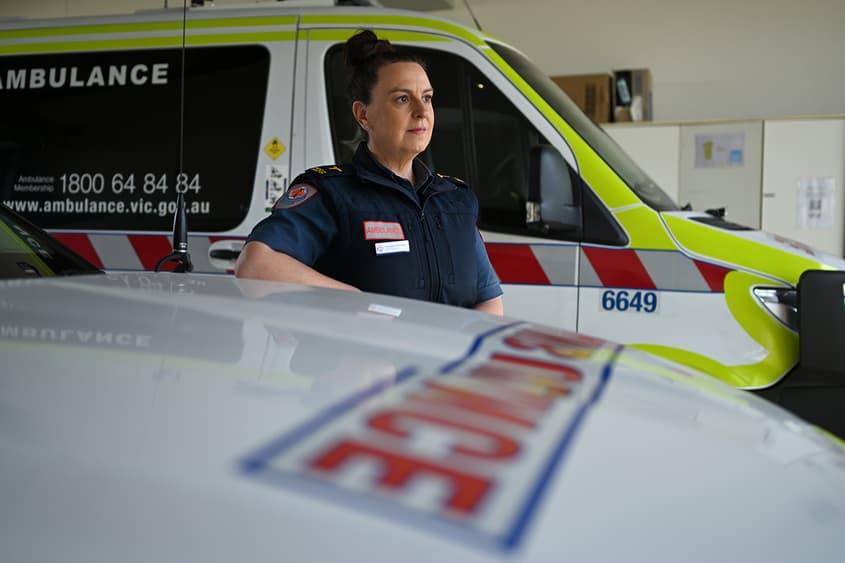
Frontline workers in community and care services are among the first to feel the strain of extreme weather — and often the last to be acknowledged. New research by Dr Rebecca Huntley commissioned by UnitingCare Australia and Uniting NSW.ACT brings this reality into sharp focus. It tells a clear story of a workforce that is deeply committed and caring but increasingly challenged by events far beyond their control.
The scale of this pressure is sobering. Nine in ten frontline workers report being affected by extreme weather in the past five years.
These are the people caring for our parents in aged care and our children in early learning.
Heatwaves disrupt daily routines, storms cut off access to communities, and floods make it impossible to reach those most in need. These are not isolated incidents — they are becoming a constant backdrop to service delivery.
And yet, the real burden is not just logistical. It is deeply human.
Nearly one in three workers say extreme weather has placed them in an impossible position, having to choose between their own safety and the needs of the people they support. This is not a decision anyone should have to make. It reflects a system that is already stretched and now being pushed further by the accelerating impacts of extreme weather caused by climate pollution.
The consequences ripple outward. Care is interrupted. Appointments are missed. Support networks weaken at exactly the moment they are needed most. For vulnerable Australians including older people, those living with disability, and communities already experiencing disadvantage — the result is not just inconvenience, but real harm.
Extreme weather doesn’t affect everyone equally. It amplifies existing inequality.
When homes are damaged, when power is lost, when transport systems fail, those with fewer resources are hit hardest and recover the slowest. These events erode financial security, strain already thin services, and deepen disadvantage over time. Without intervention, this cycle will only intensify.
It is also taking a toll on the workforce itself. Many frontline staff report negative impacts on their mental, emotional and physical wellbeing due to extreme weather. Many are absorbing these pressures while continuing to show up for their communities – often going above and beyond, assisting with evacuations, sharing safety information or helping people access disaster support.
This commitment is extraordinary. But it is not inexhaustible.
The Extreme Weather Impacts Report reveals that the impact of extreme weather events are being widely and deeply felt right across our workforce.
We cannot continue to rely on the goodwill and resilience of frontline workers alone to carry what is fast becoming a systemic burden. As extreme weather becomes more frequent and severe, pressure on health and social support systems will only grow.
The question is no longer whether this pressure will increase, but how we respond.
There is a clear path forward.
First, we must recognise community services as essential infrastructure in disaster preparedness and response. That means ensuring organisations are properly funded, equipped and integrated into national and state emergency planning.
Second, we must invest in resilience – not just physical infrastructure, but social infrastructure. Upgrading housing, improving energy security, and strengthening local service capacity will all help communities better withstand and recover from shocks.
Third, we must support the workforce itself. This includes practical measures such as surge funding during crises, as well as longer-term strategies to protect wellbeing, build skills and sustain capacity.
The research underlying this report reflects the voices of frontline workers navigating these challenges every day. Their message is consistent: they are willing and ready to keep showing up, but they cannot do it alone.
Climate change is often discussed in abstract terms – degrees of warming, emissions targets, global agreements. But its impacts are already here, unfolding in very real ways across our communities. Nowhere is this more evident than in the work of those who care for others.
If we are serious about building a resilient Australia, we must start by supporting them.
Because when frontline care falters, it is not just a workforce under strain. It is the fabric of our communities at risk.
You can read the report here: How extreme weather is challenging frontline care, and why it matters – UnitingCare Australia | UnitingCare Australia
Tamara Thomas is the National Director of UnitingCare Australia, representing the country’s largest network of community and care services providers.