When the alert came through to my phone that highly pathogenic H5 bird flu had finally been detected on mainland Australia, my stomach sank.
For years, conservationists, scientists and wildlife health experts have been warning that this day would come. Around the world, the virus has torn through wildlife populations, killing millions of birds and devastating marine mammals. I knew Australia wouldn’t be immune forever.
But as the details of the response emerged, I felt something I rarely feel when a looming national crisis arrives: reassurance.
Too often, disasters expose years of underinvestment, ignored warnings and governments scrambling to catch up. Instead, it became clear that Australia had spent years preparing for this moment.
Which is why Australia’s response to the arrival of highly pathogenic H5 bird flu on mainland Australia deserves recognition.
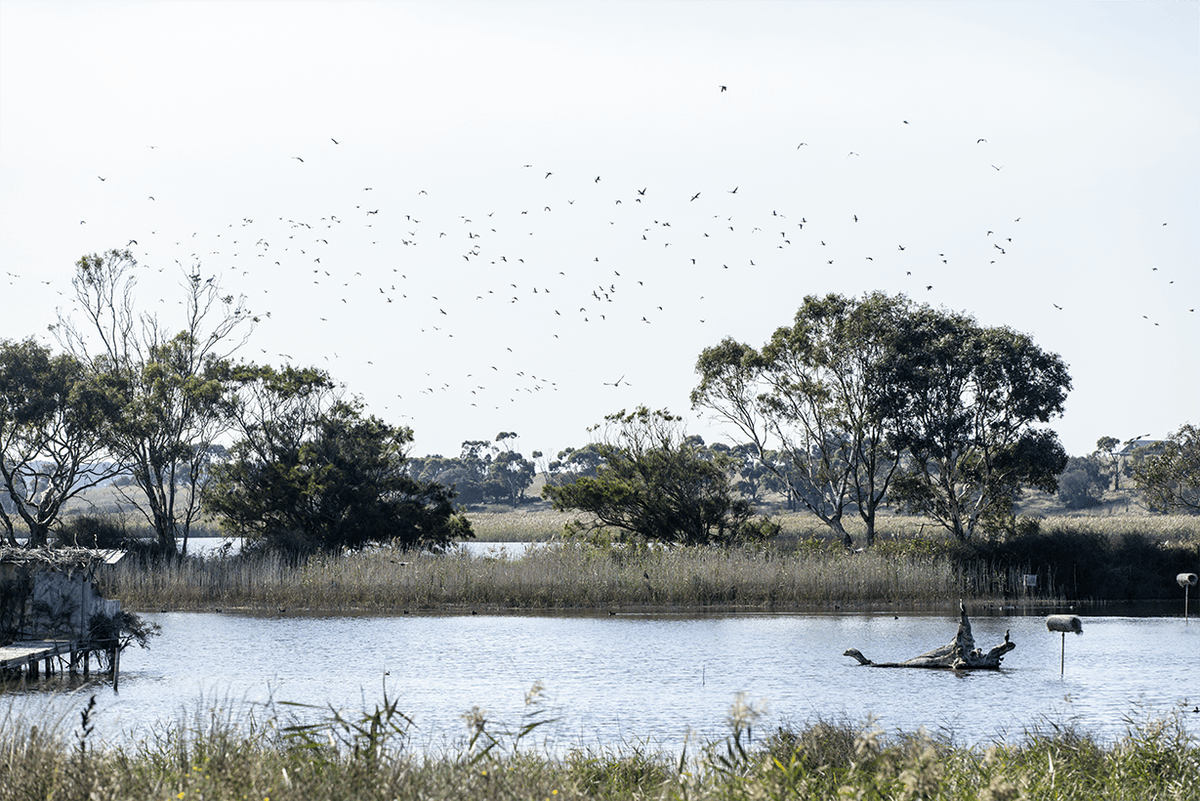
The confirmation of the virus in a wild bird in Western Australia is a serious development.
Around the world, H5N1 has devastated wildlife populations, killing millions of wild birds and infecting tens of thousands of mammal species. Entire seabird colonies have been wiped out. Elephant seals, sea lions and other marine mammals have suffered mass mortality events. Australia has every reason to be concerned.
And yet, unlike so many crises that seem to catch governments by surprise, this one feels different.
The arrival of bird flu on mainland Australia could easily have triggered panic and confusion. Instead, what we are seeing is a textbook example of what happens when governments invest in preparedness, work collaboratively with experts and community organisations, and communicate openly with the public.
For years, scientists, wildlife health experts, conservation organisations and government agencies have been sounding the alarm about the likelihood of bird flu reaching Australia. Importantly, those warnings were not ignored.
Federal and state governments invested in surveillance systems, wildlife health networks were strengthened, response plans were developed and tested, and conservation organisations were brought into discussions. For once, experts worked together across jurisdictions and portfolios, and it worked.
When the virus finally arrived, Australia was not starting from scratch.
Preparedness rarely makes headlines because its greatest success is often preventing worse outcomes. That is what we are witnessing now, and it should be acknowledged.
But preparedness is only half the story.
The response to the arrival of bird flu has shown what governments can achieve when they invest in biosecurity, listen to experts and plan ahead. On that front, Australia deserves high marks.
The next test will be whether we are equally serious about protecting wildlife when outbreaks inevitably occur.
Around the world, bird flu has overwhelmed wildlife response systems. In many places, the scale and speed of mortality events have simply outstripped the capacity of governments and conservation organisations to respond. Entire seabird colonies have been lost in a matter of weeks. Marine mammals have died in the thousands. Once outbreaks take hold in wildlife populations, events can escalate rapidly and overwhelm even well-prepared agencies.
Australia cannot afford to assume that preparedness alone will protect our wildlife.
Even if this particular detection is successfully contained, the global spread of the virus means future incursions remain likely. That is why the next phase of the response must focus on wildlife resilience.
Healthy wildlife populations are better placed to withstand catastrophic shocks than populations already under pressure. Investing in large-scale predator control, invasive species management, habitat restoration and threatened species recovery is no longer just a conservation priority. It is now a critical part of Australia’s bird flu preparedness.
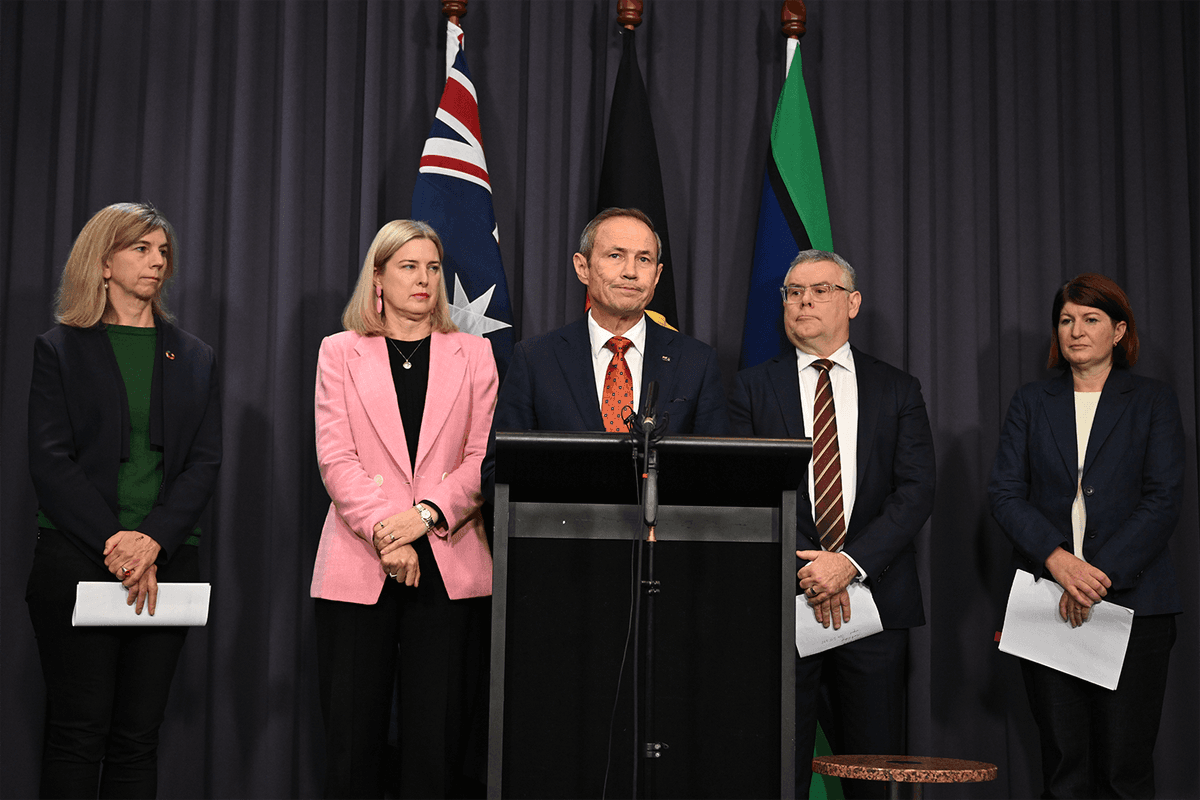
The Albanese Government deserves credit for taking the threat seriously and investing in preparedness before the crisis arrived. But if they are serious, then they must go further.
A significant boost to wildlife resilience funding over the next two years would be a no-regrets investment regardless of how this particular outbreak unfolds. Whether bird flu is contained or not, we know the virus is now on our doorstep and wildlife will need every advantage we can give it.
In a political environment where cynicism often feels like the default setting, we should be willing to acknowledge when governments get things right.
The bird flu response is not a story about a single minister, department or organisation. It is a story about what can happen when governments listen to experts, invest before disaster strikes and bring together the people best placed to respond. It is also a reminder that effective government is often invisible until it is tested.
Most importantly, it shows that preparedness matters.
The lesson from bird flu should extend well beyond biosecurity.
Whether it is invasive species, climate-fuelled disasters, emerging diseases or biodiversity loss, the same principle applies: investment before a crisis is almost always cheaper, more effective and less painful than scrambling after one.
The arrival of bird flu on mainland Australia is a sobering moment. But it is also an encouraging one.
Because when the test came, Australia was ready.
And in a time when many people have lost faith in institutions, that is something worth celebrating.
Jack Gough, CEO of Invasive Species Council.