Advanced search
The Point - home
DonateSubscribe
HomeWhat's NewOpinionOff the ChartsExplainersFactcheckAbout Us
The Point — home
DonateSubscribe
The Point — home
Advanced search
  • Home
  • What's New
  • Opinion
  • Off the Charts
  • Explainers
  • Factcheck
  • About Us
DonateSubscribe
Subscribe
  • Home
  • What's New
  • Opinion
  • Off the Charts
  • Explainers
  • Factcheck
  • About Us
The Point - home
Privacy PolicySitemapComplaints & CorrectionsNewsletter

The Point recognises the ancestral connections and custodianship of Traditional Owners throughout Australia. We pay respect to Aboriginal and Torres Strait Islander cultures and to Elders past and present.

©2025–2026 The Point, an initiative of The Australia Institute

Nina Gbor

Director, Circular Economy & Waste Program, The Australia Institute

LATEST
  • OPINION

    Why the future of ethical certification is about accountability, not perfection

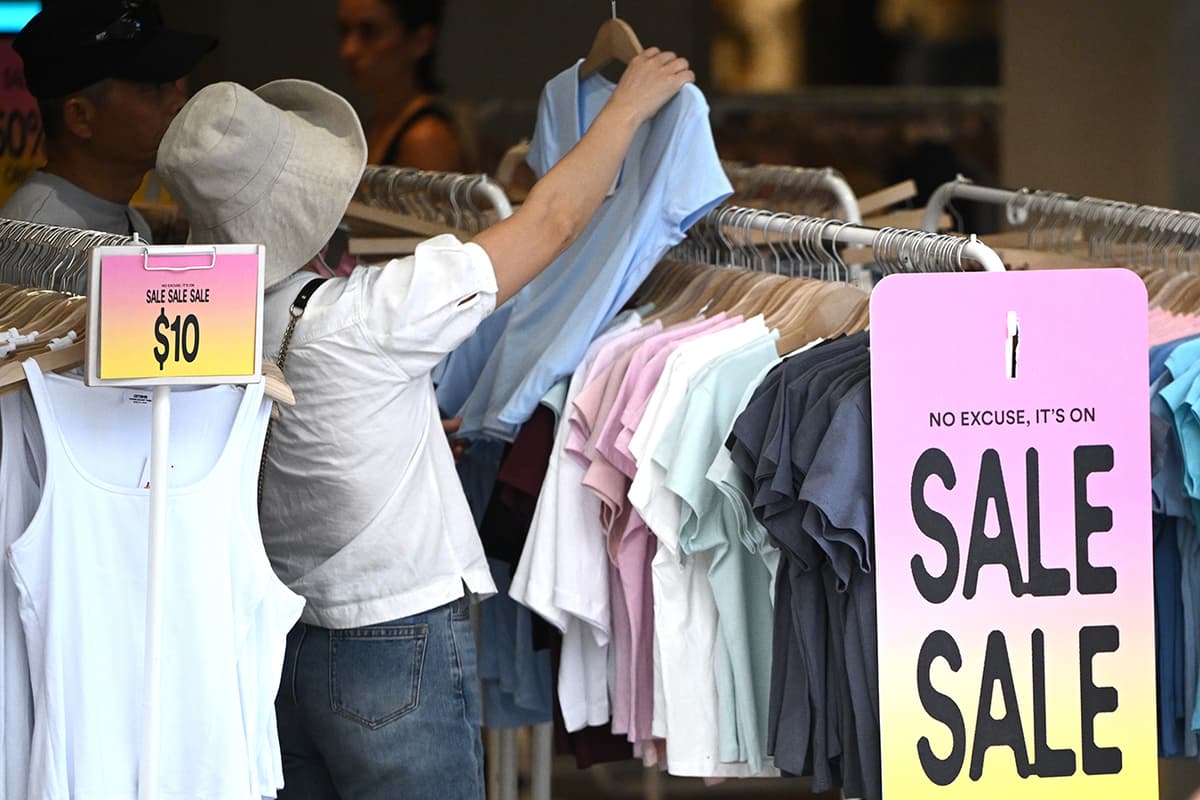
    In 2025, the Australian fast fashion company, Princess Polly was awarded the environmental B Corp certification. This sparked global outrage because sustainability and fast fashion are an oxymoron. Some members of the public saw the move as a greenwashing manoeuvre to increase Princess Polly’s sales.
    Climate
    Why the future of ethical certification is about accountability, not perfection
  • OPINION

    Australia faces a plastic pollution crisis, and action is long overdue

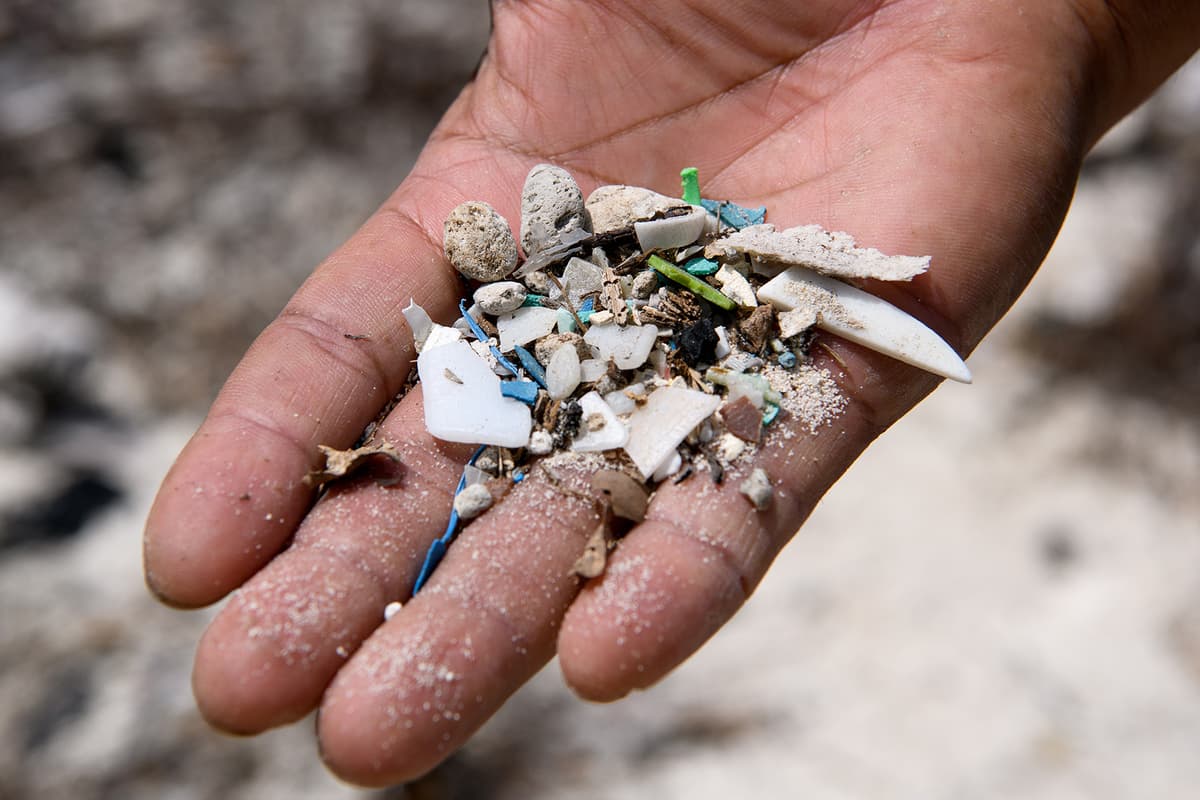
    Fixing the global plastic crisis requires an estimated $18.3 trillion to $158.4 trillion over the next two decades to transition away from plastic and overhaul waste management. However, doing nothing will cost significantly more—up to $281.8 trillion in environmental, economic, and human health damages.

    Climate
    Australia faces a plastic pollution crisis, and action is long overdue
  • OPINION

    Recycling capacity grows, but Australia’s plastic waste problem is far from solved

    Australia's soft plastics recycling industry now stands at a critical juncture. The growth in processing capacity and successful clearance of REDcycle stockpiles provide reasons for optimism. However, achieving a truly circular economy will require coordinated action from governments, manufacturers, retailers and consumers.

    Society & Inequality
    Recycling capacity grows, but Australia’s plastic waste problem is far from solved
  • OPINION

    We have too many clothes: the cost of textile overproduction

    Factors such as the pursuit of high profits, fashion trends, planned obsolescence and unethical supply-chain practices fuel the fast and ultra-fast fashion production model. It has enabled a single-use, throwaway culture among many consumers and led to massive levels of clothing waste.

    ClimateHealth
    We have too many clothes: the cost of textile overproduction
  • OPINION

    Met Gala & Everlane: the ultra-fast fashion takeover of fashion & sustainability

    After years of consumer, group & institutional advocacy, ESG goals and policies rallying against ultra-fast fashion, it felt for a moment as though a global shift towards sustainable and circular fashion was occurring. And that the fashion industry itself was still thriving. However, a stranger-than-fiction trend seems to be emerging where ultra-fast fashion appears to be the very thing that’s saving and supporting sustainable fashion, and some aspects of the fashion industry itself.

    Climate
    Met Gala & Everlane: the ultra-fast fashion takeover of fashion & sustainability
  • OPINION

    Australia’s fashion future: the new national strategy to rebuild local manufacturing

    Launched in March 2026, The National Manufacturing Strategy for Australian Fashion and Textiles 2026–2036 emerges in response to the reality that approximately 97 per cent of clothing and textile products consumed in Australia are manufactured offshore. Developed by the Australian Fashion Council (AFC) in partnership with R.M.Williams, it is the first national roadmap aiming to rebuild capability across the textile sector.

    Economy
    Australia’s fashion future: the new national strategy to rebuild local manufacturing
  • WHAT'S NEW

    Melbourne fashion week hints at the potential of a circular fashion industry

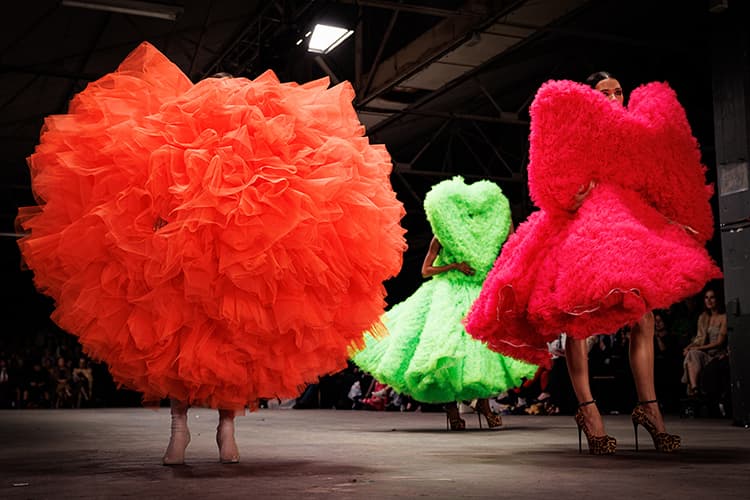
    The 2026 Melbourne Fashion Festival is on this week. This year’s event marks a major milestone as the festival celebrates its 30-year anniversary. It's one of the biggest fashion events in Australia, and it puts Australian design, talent, innovations, skills, trends, and workers in the international spotlight.

    Society & Inequality
    Melbourne fashion week hints at the potential of a circular fashion industry
  • EXPLAINER

    As holiday spending increases, so too does waste

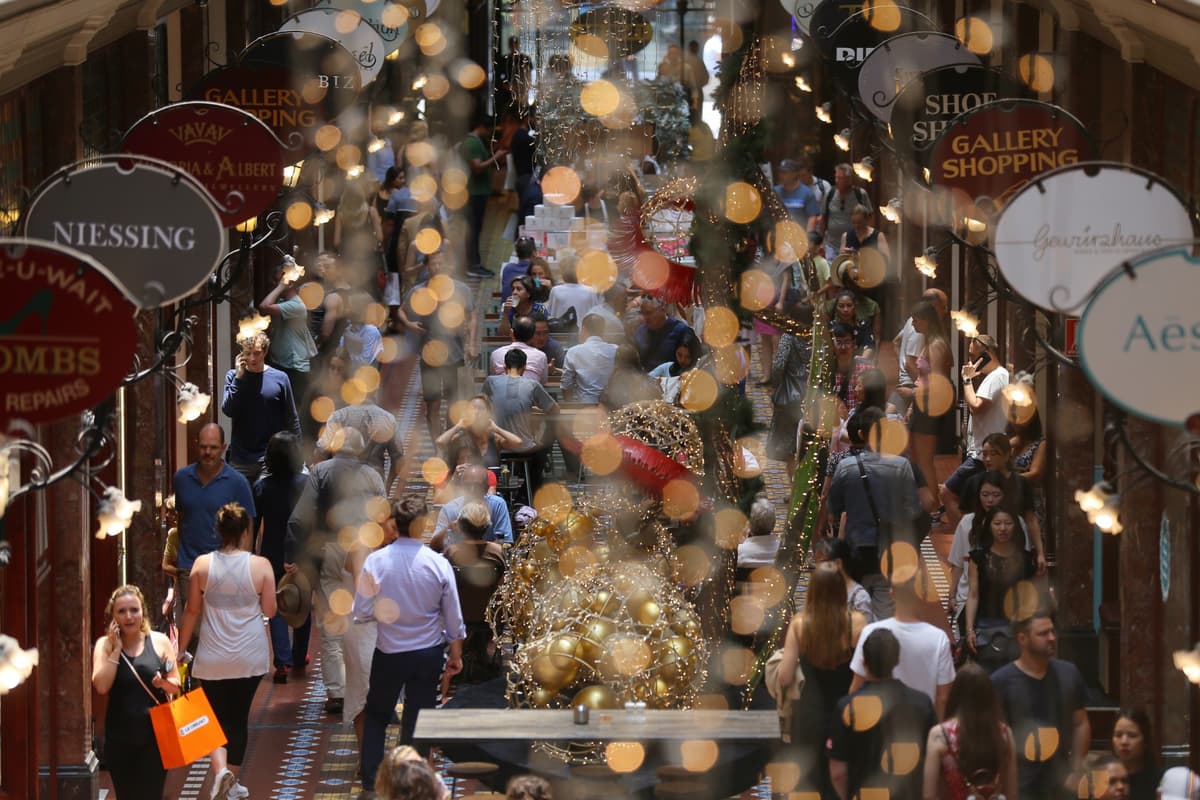
    In 2024, The Australia Institute found that Australia’s are likely to buy over $1 billion worth of unwanted gifts, much of which is likely to end up in landfill. There is no reason to think this year will be any different.

    ClimateEnvironment & BiodiversitySociety & Inequality
    As holiday spending increases, so too does waste