This week, as Senate returns from the winter break, it will take a vote that will change the National Disability Insurance Scheme (NDIS) in ways that will be felt by hundreds of thousands of Australians.
The government wants its NDIS reform bill passed. It says the changes are necessary to put the scheme on a sustainable footing, bring down its rapidly growing costs, tighten eligibility, improve the way people’s support needs are assessed and crack down on fraud and poor practice.
Few people would argue with the need to make sure the NDIS is sustainable. There is widespread agreement that rorting and exploitation need to be dealt with, and that a scheme this important cannot continue to grow indefinitely without reform.
But there is a very big difference between agreeing that the NDIS needs to change and agreeing with what is now being proposed.
That difference has been impossible to miss during the Senate inquiry.
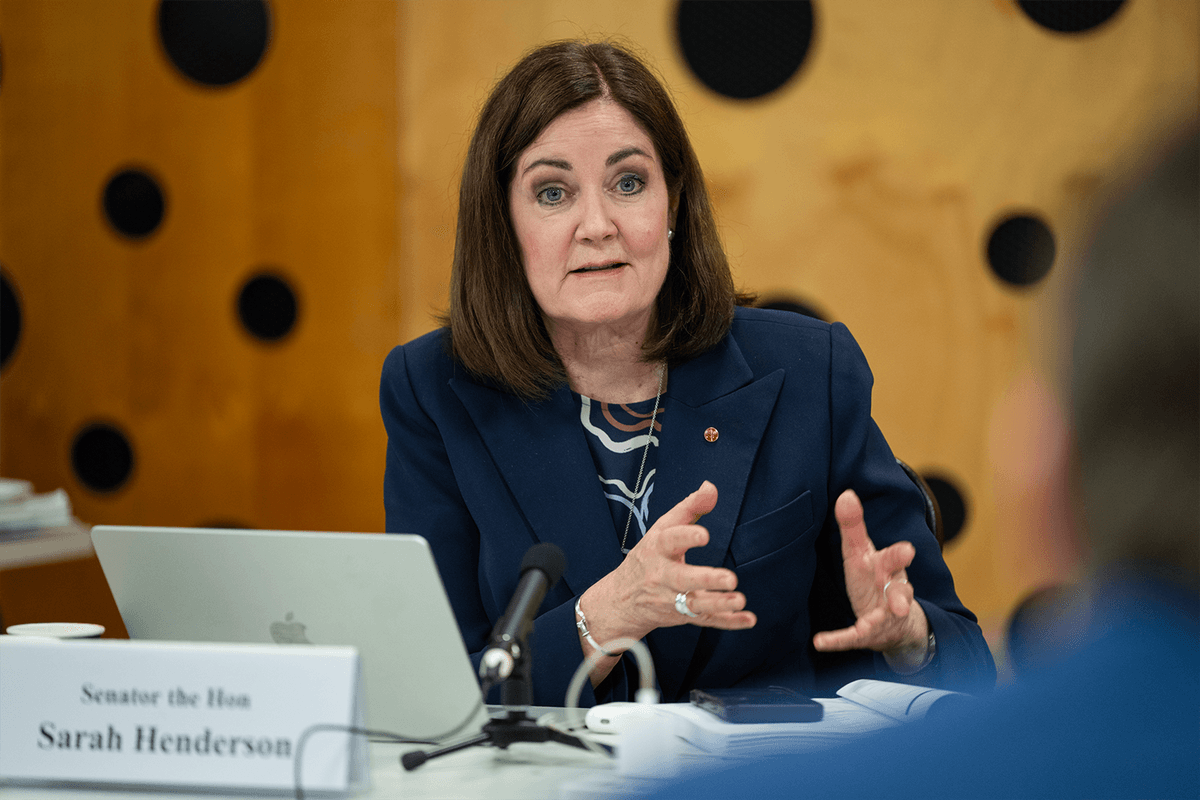
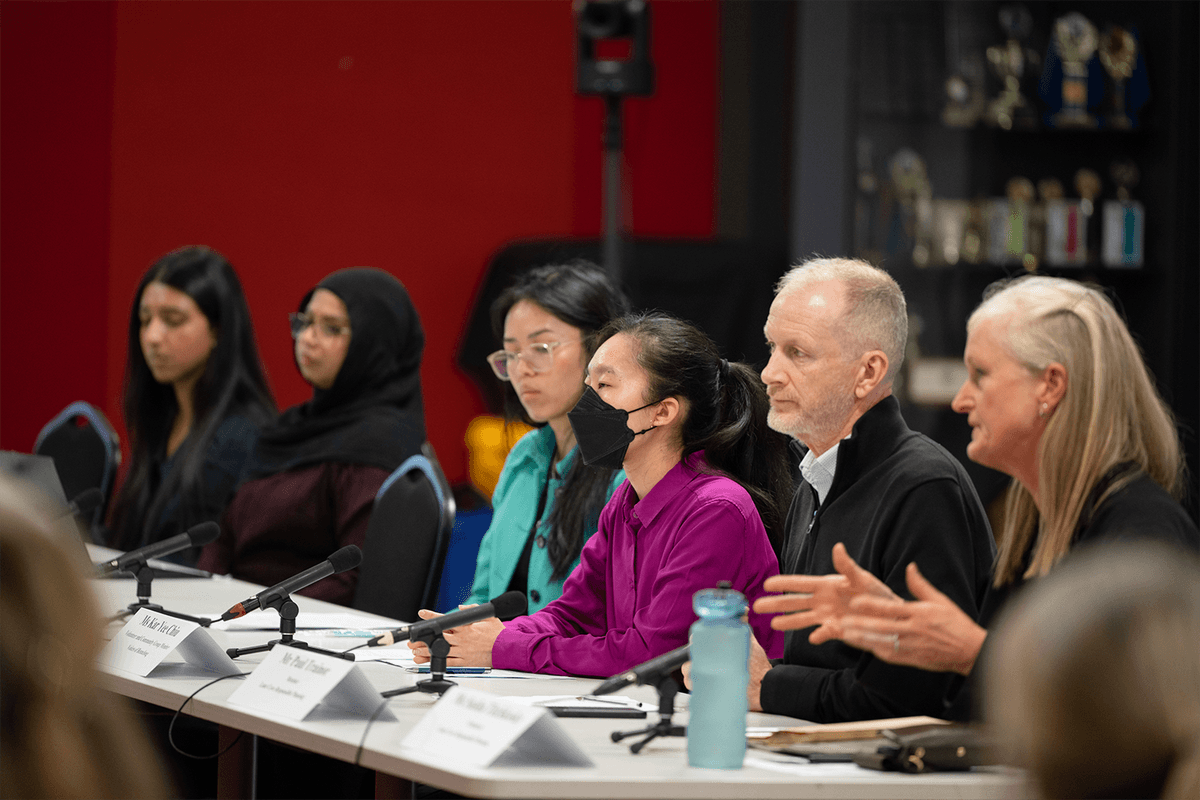
In early June, in just two weeks, more than 4,500 organisations and individuals made submissions. Since then, over six days of hearings, senators heard from people with disability, families, advocates, legal services, researchers and health professionals about what these changes could mean in practice.
And some of what they heard was deeply distressing.
At a hearing in Perth, a mother describing her family’s experience of trying to navigate the NDIS left people in the room in tears. Her testimony was not an abstract argument about budgets or eligibility criteria. It was about what happens to families when a system they rely on becomes increasingly difficult to understand, access and trust.
That is the part of this debate that can sometimes get lost in the language of reform. Behind every percentage reduction is a person.
The government’s changes to social and community participation and therapy funding, for example, are presented as a way of bringing spending under control. But these supports can be the difference between someone getting to work or staying at home, attending university or dropping out, developing the skills to live more independently or becoming increasingly isolated.
For people who depend on the NDIS, these are not extras. They are often the supports that make participation in ordinary life possible.
The scale of the proposed changes is also difficult to comprehend.
Senate evidence has indicated that around 241,000 people would leave the scheme by 2031 as eligibility tightens, and over $37b is cut from the Scheme over the same four-year period. A significant proportion of those removed are expected to be children and young people, with autistic children and young people making up a large share.
At the same time, the government is developing a new functional assessment process that will help determine who remains eligible for the NDIS. The assessment process is not yet developed. A technical advisory group appointed by the government has just commenced this work, with its report not expected until later this year.
Yet Parliament is being asked to make some of the most consequential changes to the scheme before the machinery that will determine who stays and who goes has even been completed.
That should give everyone reason to call halt. So too should the question of what happens to people who leave.
The government has promised a system of foundational and mainstream supports outside the NDIS. But people with disability and their organisations have repeatedly told the inquiry that they do not yet know whether those services will exist in sufficient numbers, whether they will be accessible, or whether they will be able to meet the needs of the people who are expected to leave the Scheme.
There is a very real risk of creating a gap first and hoping another system eventually fills it.
Additional concerns about the Bill raised by a swath of witnesses at the senate hearings, include funding caps that can limit funding, support intensity, frequency, duration and worker-to-participant ratios; the enhanced automated decision-making powers; and limited appeal rights.
And the concerns are no longer coming only from disability advocates.
On Friday, a joint statement signed by more than 100 academics and community organisations warning that the proposed cuts to social and community participation supports and therapy, could cause preventable harm. They pointed to risks to people’s health, safety and employment and made a particularly important point: Parliament should not allow foreseeable harm to occur.
This follows another very significant intervention two days prior. The Australian Human Rights Commission called on the government to pause the Bill, with the Commission’s President and all seven Commissioners raising concerns about the human rights implications of the reforms, as well as the process being used to deliver them.
Every Australian Counts Independent Chair, Dr George Taleporos, said the Commission’s intervention should be a turning point in the debate.
“When Australia’s national human rights expert says this Bill should be paused, Parliament must listen. This confirms what people with disability have been saying from the beginning – this Bill is dangerous and our Parliament must vote against it.”
Importantly, the Commission is not saying the NDIS should simply be left alone.
It recognises that reform is necessary. It recognises the need to address serious administrative issues and make sure the scheme is sustainable.
What it is saying is that this needs to be done carefully, with human rights at the centre, and with enough time to properly understand the consequences.
That seems like a reasonable request for a reform of this magnitude.
The NDIS is not perfect. People who use it know that better than anyone. They have spent years telling governments about the bureaucracy, delays, and poor planning. They want those things fixed.
But there is a difference between fixing a system and making participants and families carry the risk while the system is being rebuilt around them.
The NDIS changed Australia because it changed what many people with disability could imagine for their lives. It helped people move into their own homes, find work, study, build relationships, participate in their communities and exercise choices that previous generations had simply not been given.
Those gains are worth protecting.
The Senate now has a choice. It can push ahead. Or it can take seriously the growing chorus asking for more time, better safeguards and a clearer plan for what happens to people who are no longer eligible.
Pausing the Bill is not refusing to reform the NDIS.
It is recognising that when the consequences of getting reform wrong are this significant, taking a little more time is not weakness.
It is responsibility.
Muriel Cummins is a member of the Every Australian Counts Steering Committee, and president of the Occupational Therapy Society (OTSi)