Last week, Shadow Housing Minister Andrew Bragg offered Australians a solution to the housing crisis: worse housing.
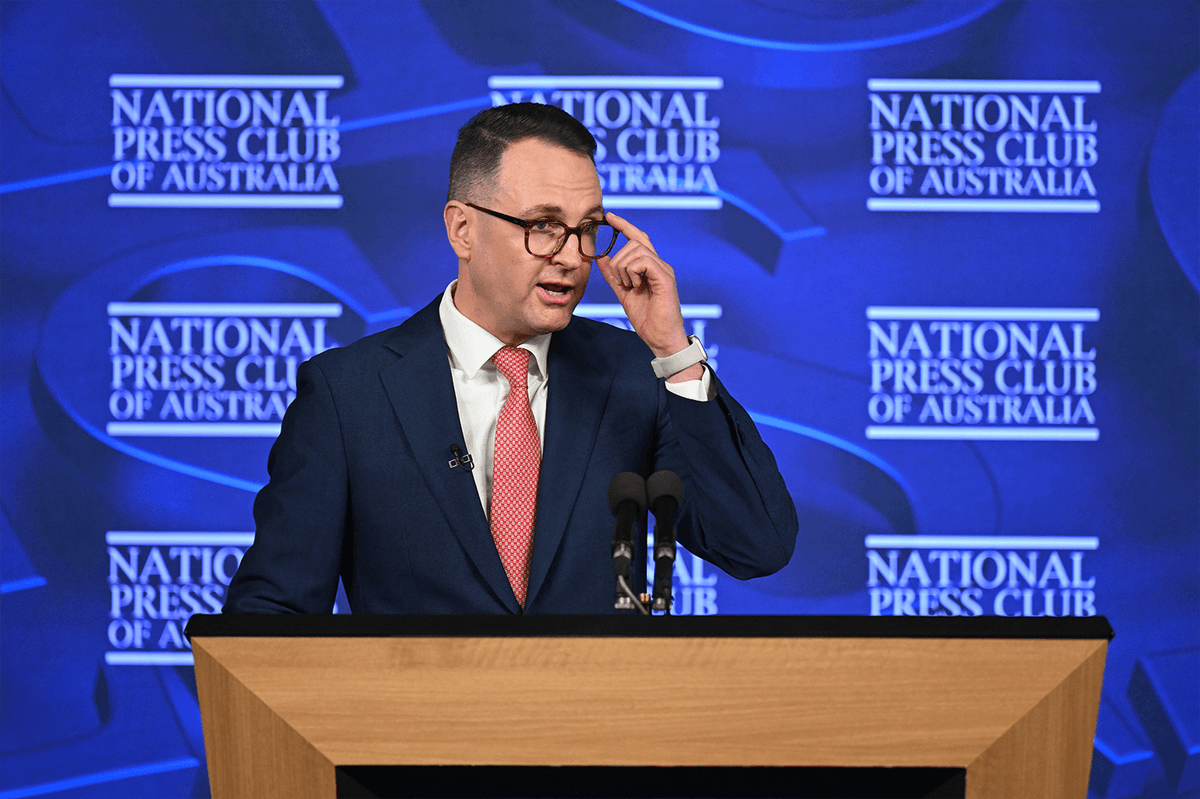
In his National Press Club address, Senator Bragg promised to take the more than 2,000-page National Construction Code and replace it with an 80-page “Basic Australian Standard”.
Structural integrity, fire safety and basic health requirements would stay. Many of the standards that make homes accessible, comfortable and affordable to live in would become optional.
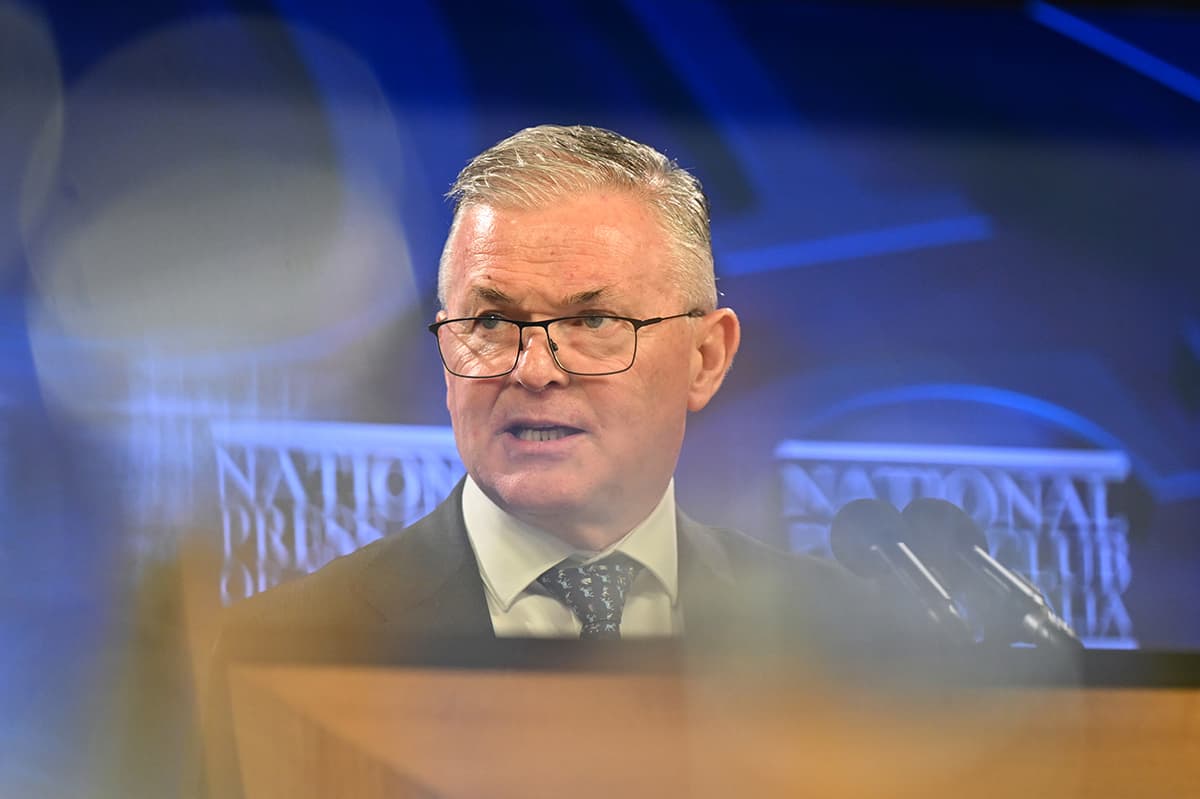
The Coalition has since doubled down. Shadow Treasurer Tim Wilson also suggests renters don’t need a warm or energy-efficient home, instead they can just put on a jumper in winter. That’s easy advice to give when you’re not the one living in a freezing rental, watching the mould spread and choosing between turning on the heater and paying the power bill.
Asked on ABC Radio National whether his proposal meant people on low incomes should simply accept living in worse housing, Senator Bragg replied: “Yes, definitely.” That is an extraordinary proposition.
Everyone deserves a safe, decent and affordable home. It is where we sleep, study, work, raise families and build our lives. Basic standards are not luxuries to be added once Australia has solved its housing crisis. They are part of what makes a building a home.
We should call this proposal what it is. It is an attempt to help developers make even more money from the housing crisis by allowing them to build unliveable homes.
The theory behind it is familiar. Cut regulations. Reduce costs. Make development more profitable. Developers will build more homes and, eventually, those homes will trickle down and become cheaper. The property industry has been selling versions of this argument for years. But Australia’s housing history should make us deeply sceptical of it.
The number of homes per person has been growing over the last four decades. Yet over that same period, the cost of housing has exploded. If simply increasing the number of dwellings relative to the population automatically delivered affordable housing, Australia should have become more affordable. Instead, the opposite happened.
Private developers are not charities. They build when projects are profitable. If governments reduce the cost of building a home without taking steps to make those homes affordable, there is no reason to assume that money will magically appear in the pockets of renters and first-home buyers. It can just as easily become a bigger profit margin.
This is especially galling because Australia is finally beginning to have the opposite conversation about the homes renters deserve. In NSW for example, the Government has been considering minimum rental standards. This is the direction governments should be heading.
Too many Australians already pay enormous rents for homes that are freezing in winter and stifling in summer. They live with mould and damp. They spend hundreds of dollars more on energy because their landlord has little incentive to improve the property.
Older Australians and people with disability face another barrier altogether in finding a home they can actually use. Senator Bragg singled out ramps, level shower floors and reinforced walls as the kinds of requirements that should become “optional extras.” But accessibility isn’t an optional extra if you use a wheelchair. A home that doesn’t make you sick isn’t an optional extra. Being able to keep your home at a safe temperature without an enormous electricity bill isn’t an optional extra.
These decisions will last for decades. A badly designed home built in 2027 could still be standing in 2077. Saving a developer money today can mean shifting costs onto generations of occupants through higher energy bills, expensive retrofits and homes that become unsuitable as people age. That is why minimum standards exist.
There is a particularly uncomfortable implication in Senator Bragg’s comments. People with money will still be able to buy well-designed, accessible, energy-efficient homes. It is people with the least money and power – renters, people on low incomes, older people and people with disabilities – who will end up living in the homes built to the lowest possible standard. Australia should be trying to close that divide, not writing it into the building code.
The answer to the housing crisis is not to give developers permission to build worse homes and hope they charge less for them. If governments want to improve the lives of renters, there are much more direct ways to do it.
They can strengthen minimum rental standards so every home is healthy, comfortable and affordable to run. They can limit rent increases so landlords cannot keep extracting more from tenants simply because the market allows it. And they can build public and community homes – the rentals that people can actually afford – at the scale Australia desperately needs.
Renters have already spent years paying the price for Australia’s broken housing system. They shouldn’t now be asked to pay for it with the quality of their homes as well.
Maiy Azize is the spokesperson for Everybody’s Home, a campaign to end Australia’s housing crisis. Maiy is also the Deputy Director of Anglicare Australia, a network of welfare and caring organisations linked to the Anglican Church.