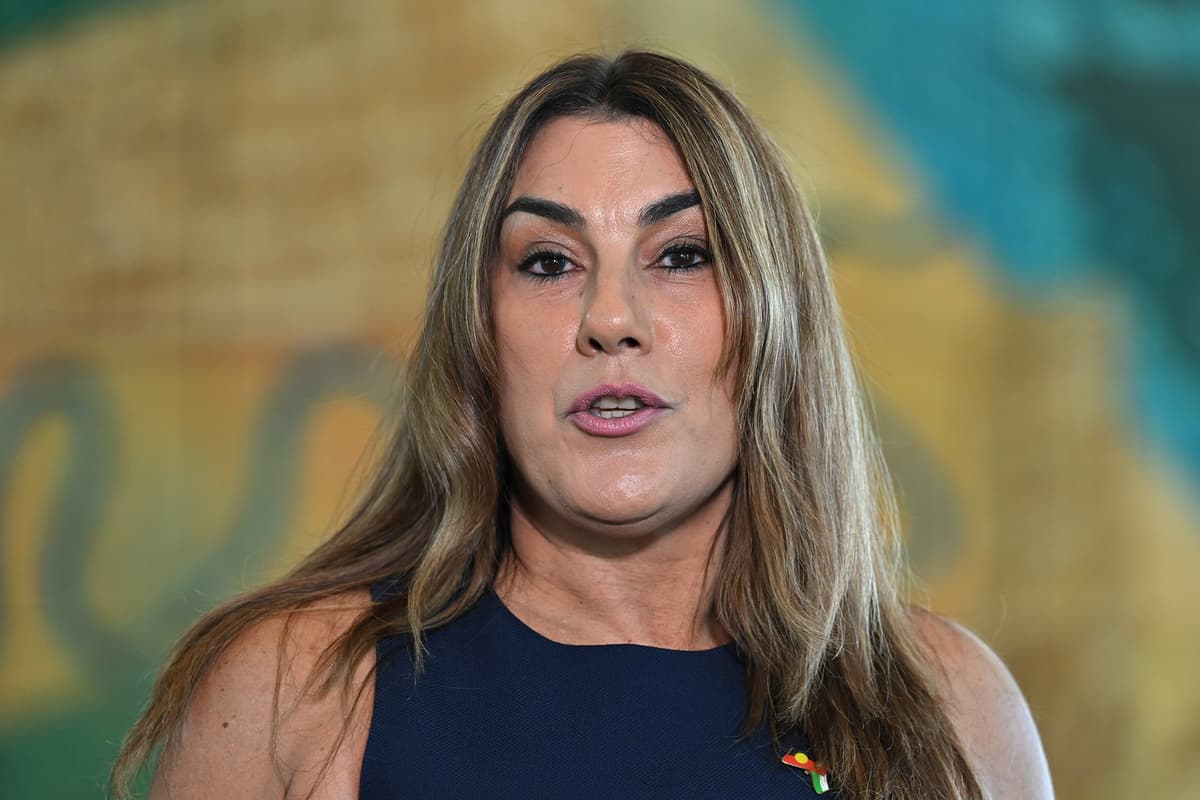
Australia’s criminalisation and detention of children as young as ten is a “crime scene and a human rights catastrophe,” disproportionately impacting First Nations kids, Senator Lidia Thorpe has said.
In separate comments to the Senate inquiry into Australia’s youth justice and incarceration system, which reported last month, Senator Thorpe explicitly named detention centres as “sites of systemic child abuse, operating in direct violation of this country’s domestic and international human rights obligations and all morality, with evidence of neglect, excessive force, trauma, sexual, psychological and physical abuse inflicted on children as young as ten.”
Thorpe said she was compelled to make additional comments as the final committee report “sanitised, disappeared and hid” the conditions children are made to endure.
“This report does not even touch on the two First Nations children who committed suicide in detention in 2024, one of whom was 14 years old,” Thorpe said.
As pointed out by the Australian Institute of Health and Welfare, much of the data around conditions and harm is not even recorded, and the independent bodies mandated under the Optional Protocol to the Convention Against Torture (OPCAT) to prevent torture and inhumane treatment are being denied access to places of detention, blocking them from even witnessing the abuses they are meant to prevent.”
Thorpe gathered her comments under five main points: that ‘tough on crime’ government attitudes don’t work and fail both communities and children; children are being punished for poverty, with many juvenile offenders lacking safe housing, food, education and family support; the federal government is complicit for failing to impose national standards; that political rhetoric has consequences which children and Aboriginal people bore the brunt of; and the system itself was a continuation of colonialism.
First Nations children make up 57% of detention nationally, and up to 91% in the Northern Territory and are 28 times more likely to be imprisoned than non-Indigenous children. In the youngest cohort, aged 10-13, Thorpe said the over-representation of Indigenous children was even more extreme. She argued that this was not a failure of the system, but that it was working as intended.
“This isn’t a broken system—it’s a system doing exactly what it was originally built to do. From invasion to now, the colonial governments have brutalised, criminalized and controlled First Nations communities in order to get access to their land. Child removals, policing, and mass incarceration were never failures—they were the plan. The Bringing Them Home report identified child removals as genocide, yet there has been no reckoning, no truth telling, no change.”
Get our newsletter
Quality research, analysis, explainers and factchecks from experts you can trust.
Thorpe wants national minimum standards, which ban solitary confinement, strip searches, spit hoods (which have been re-introduced by the CLP NT government), restraint chairs and holding children in adult facilities; the raising of the age of criminal responsibility to at least 14; bail and remand reform that focuses on diversion; and redirected funding from police and detention programs to First Nations community-controlled services, like housing, health care and legal aid.
An immediate stop to building and expanding youth prisons, full implementation, with national oversight of the Bringing Them Home report, the royal commission into Aboriginal Deaths in Custody recommendations, the Help Way Earlier! Report and the Anti-Racism Framework and a national human rights act. Thorpe said she would also like to see the community reject, and stop falling for, ‘tough on crime’ government narratives.
Eventually, Thorpe said a complete abolition of child detention, replaced with self-determined, community-led approaches grounded in First Nations sovereignty, was the only way to address the crisis in the long-term.
Thorpe’s additional comments in the official committee report go further than the Labor and Liberal majority committee endorsed recommendations. The official report did conclude, as many of the previous reports into the issue have found, that children experiencing disadvantage, disability, trauma and mental health challenges were over-represented in the system, which cost more than $1.1bn to operate, but did not address root causes of offending. The official report also acknowledged, again, as previous reports had, that detention compounded that trauma and disadvantage and contributed to reoffending.
Mission Australia’s Marion Bennett agreed with the need for “nationally consistent minimum standards for youth justice, greater investment in prevention and diversion, and a coordinated approach involving education, health, disability, social services and community organisations,” as well as raising the minimum age for criminal responsibility across the nation to 14, with detention only as a last resort.
“Aboriginal and Torres Strait Islander young people are disproportionately affected by the youth justice system,” Bennett said.
“We need governments to invest in community-led and culturally safe prevention, early intervention and diversion programs targeted at Aboriginal and Torres Strait Islander children and young people. This should include greater investment in Aboriginal community-controlled organisations and locally led justice reinvestment approaches that address the underlying drivers of offending.”