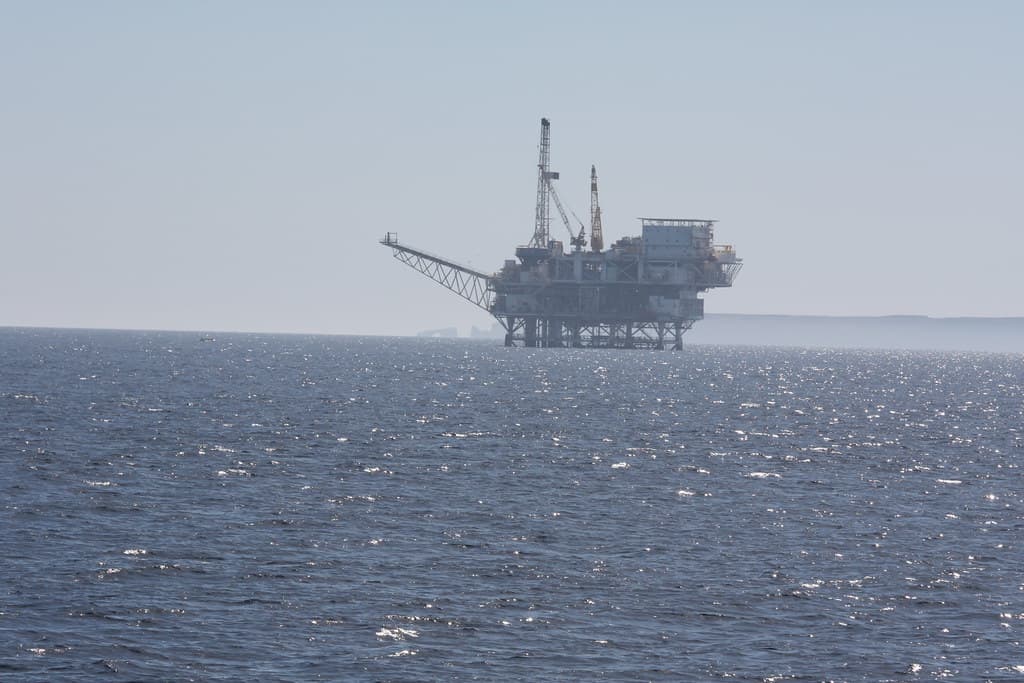
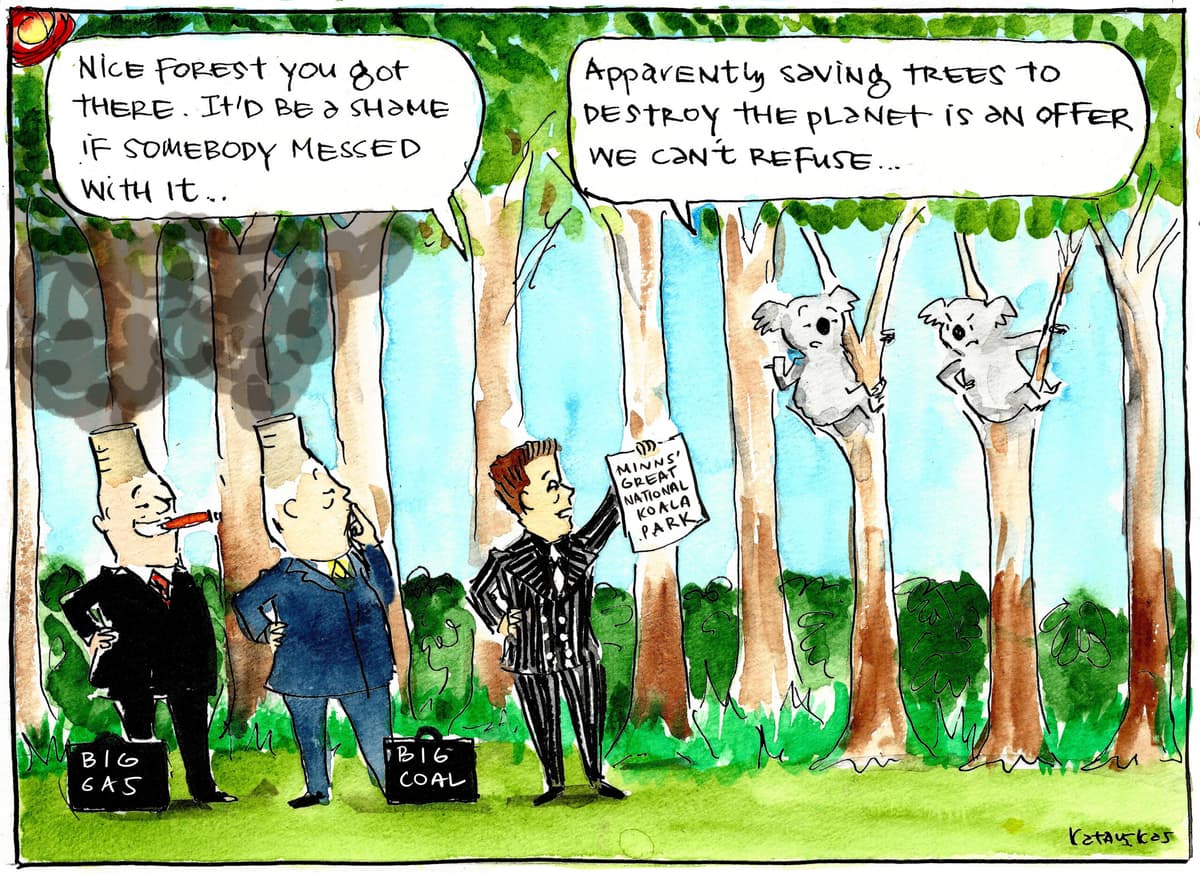
Here’s the thing about a carbon offset: it’s a confession. Whatever the paperwork calls it, an offset is a corporation saying we’re going to keep polluting, and we’re paying someone else for the permission slip.
That’s not a design flaw that better regulation could fix. It’s the actual design of the whole scheme. The only reason a country needs to create more ‘carbon offsets’ is because it expects to fail to decarbonise. Put another way, firms that are rapidly reducing their carbon pollution don’t need to buy any carbon offsets.
Which is why the Greens are about to face a decision, when Parliament votes on September 15 on whether to allow even more carbon offsets, that has less to do with technical detail and everything to do with who they are.
You would think it was a simple decision for a party that is focused on both climate science and listening to its members.
The NSW Greens Native forests policy, point 57, commits to “ensuring that the carbon value in existing forests cannot be traded to offset fossil fuel or other greenhouse gas intensive industries.”
Not regulated. Not capped. Cannot be traded.
The federal party has the same position in different words: its national forests policy promises to reform carbon accounting so that ending native forest logging “delivers real climate benefits, not loopholes for fossil fuel polluters.”
Two Green branches, one premise: a neoliberal pollution permit using public native forests to allow vested interests to keep polluting is unacceptable.
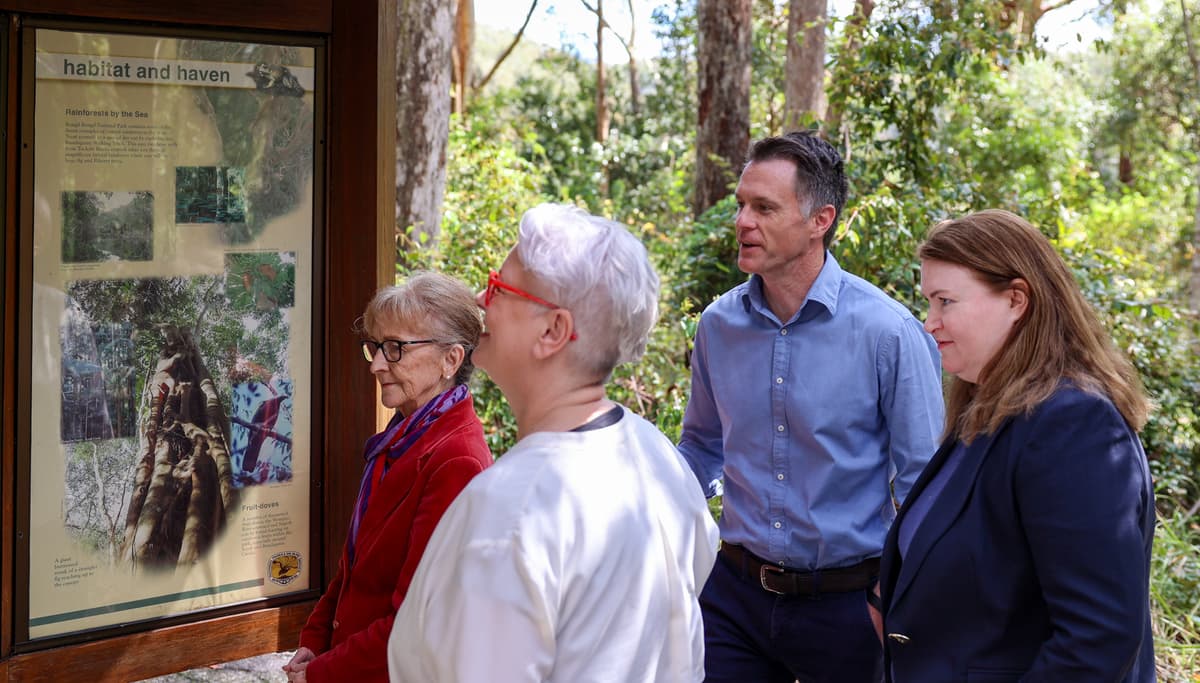
The Great Koala National Park is that loophole litmus test. The proposed ‘method’ for making even more carbon offsets would let the Commonwealth’s biggest polluters buy carbon credits generated by NSW state government inside the boundaries of this publicly owned park. The actual thing that point 57 of NSW Greens policy exists to prevent.
There are lots of problems with this proposed method – as the Koalas for Coal analysis demonstrates – including the fact that the park has been long promised, has already been funded in the NSW budget, and perhaps most significantly, if a bushfire burns down the trees, there is no way to ‘recapture’ the carbon the trees stored. But even leaving the law and science aside, the real test for The Greens is whether they still support an end to native forest logging as a standalone objective, or whether they now believe that forests should only be protected once a market decides they’re worth more as a carbon offset than as an ecosystem.
The vote on September 15 is a key test of whether the Greens are going to fully embrace Labor’s neoliberal approach of only protecting the parts of the environment that can ‘pay for themselves’, or whether they are going to stand up for all of the environment, not just the profitable bits.
Back in 2022, the Greens mocked Tanya Plibersek’s call for Australia to be home to the world’s Green Wall Street, but it seems under Larissa Waters, they might be looking to invest in the extension of competitive free market capitalism into all areas of life, even a threatened species’ last habitat. It’s the exact ideology the Greens were founded to oppose.
Minister Chris Bowen has said the quiet part out loud, describing the scheme as a market like any other, one the government helped design, but a market, nonetheless.
His comments to The Saturday Paper that “some people think you can regulate absolutely everything…and that a properly designed market mechanism has a role because Australia is a capitalist economy” are clear. This is a government-initiated public native forest market for Safeguard Mechanism credits and ACCUs (Australian Carbon Credit Units), and an offset is a plan for more emissions, laundered through forest protection that was already promised and budgeted for since 2015.
Sophie Scamps has called the Koala Park plan one of the biggest greenwashing hoaxes Australia has seen.