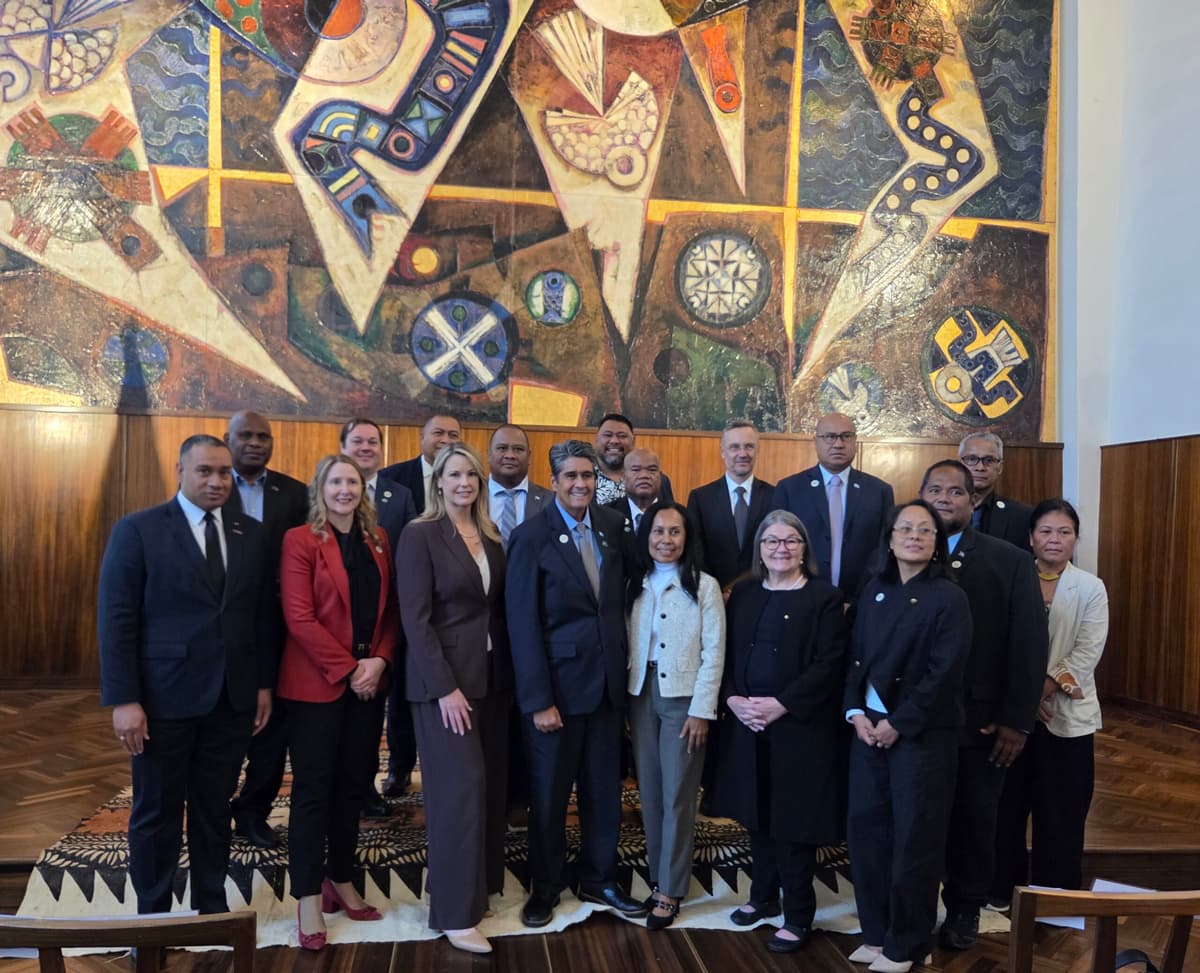
Two things happened this week that tell you everything about where Australia really stands on climate change. On Tuesday, gas started flowing from the Beetaloo Basin for the first time. On the very same day, in Koror, Palau, Pacific leaders gathered for the Pacific Islands Forum and heard the UN Environment Programme confirm what the region has been warning us of for years: the world is already pushing past 1.5 degrees.
Thu 3 Sep 2026 11.05 AEST
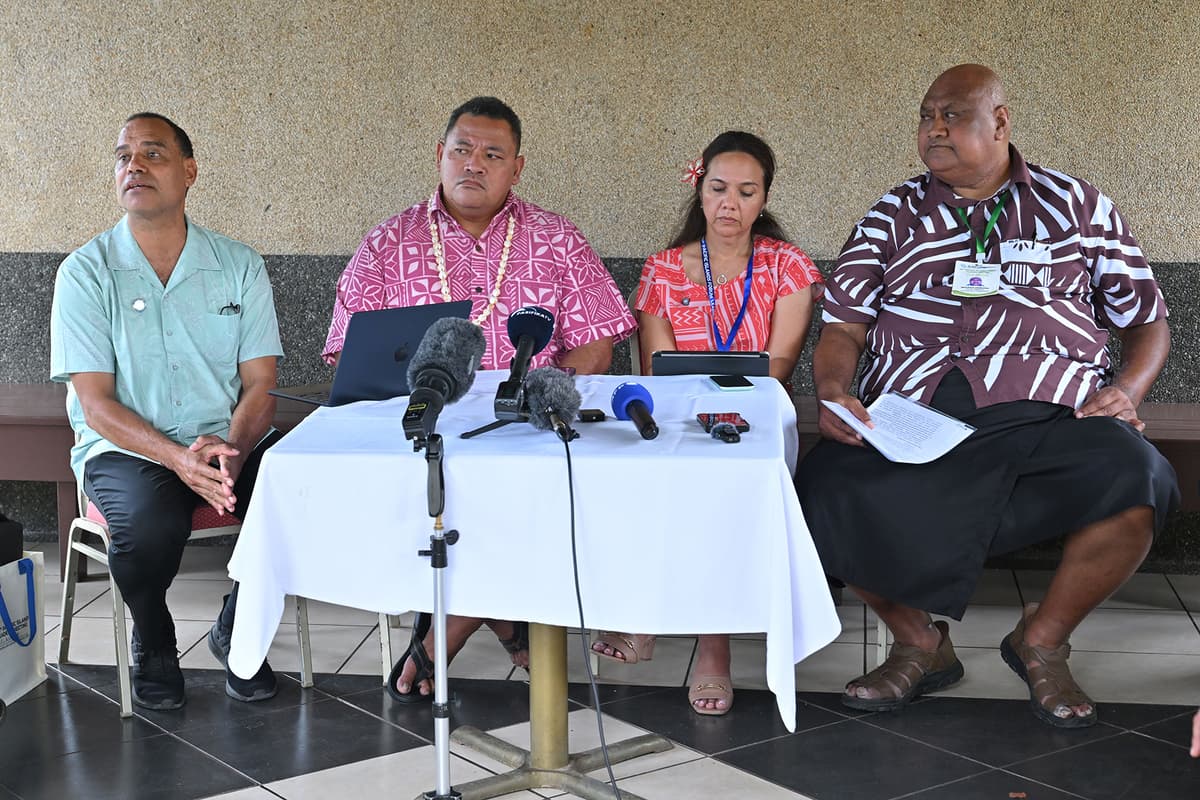
Photo: AAP Image/Mick Tsikas
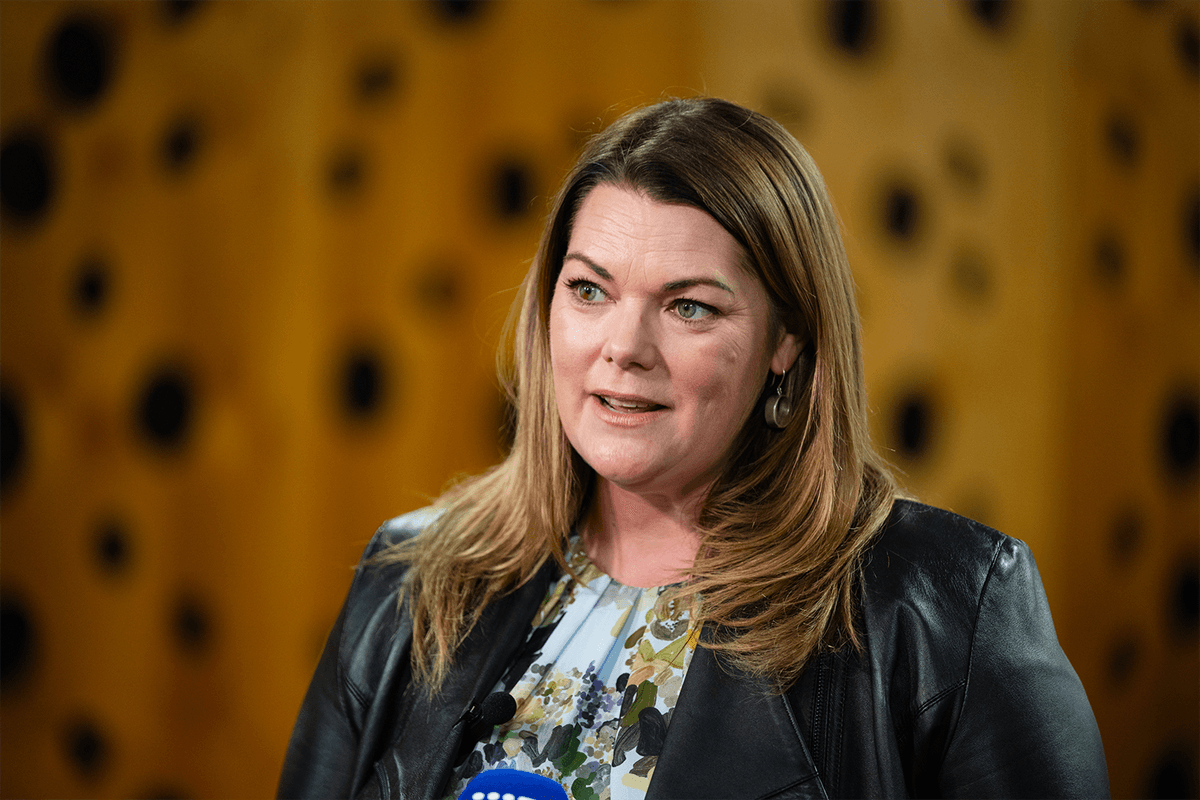
Greens Senator Sarah Hanson-Young said on ABC’s 730 last night that a 25% tax on gas exports would be “bigger and simpler” than Labor’s proposed gas reservation policy. She's right.
Two things happened this week that tell you everything about where Australia really stands on climate change.
On Tuesday, gas started flowing from the Beetaloo Basin for the first time. The Northern Territory government called it a turning point. Fracking company Tamboran called it momentum to build on. What they didn’t say is that this is a basin holding an estimated 430 trillion cubic feet of gas; the full development could unleash pollution more than three times Australia’s entire annual domestic emissions over the next two decades. Climate Council CEO Amanda McKenzie called the celebrations a “sick joke.” She’s right.
On the very same day, in Koror, Palau, Pacific leaders gathered for the Pacific Islands Forum and heard the UN Environment Programme confirm what the region has been warning us of for years: the world is already pushing past 1.5 degrees. Not might. Is.
Small island states contribute 0.03 per cent of global emissions. They are the ones paying for it first and paying the most.
Tuvalu’s climate minister, Dr Maina Talia’s, response upon reading the report the night before he had to speak about it was: ‘I couldn’t sleep last night thinking, how are we going to prepare ourselves?’
For a nation with the highest point of under five metres above sea level, that isn’t rhetoric. It’s basic maths.
His message to Australia and every other fossil fuel producer was direct: “We need the political will to transition away from fossil fuels.”
Australians will get to hear that message in person. Dr Talia is headlining the speakers list at the Australia Institute’s Climate Integrity Summit on September 15, and in that week, he’ll be meeting federal members of parliament directly to explain what burning fossil fuels means for his country’s survival.
Tuvalu isn’t just asking Australia to listen once and move on, either. Next April, it will co-host the second International Conference on Transitioning Away from Fossil Fuels, continuing the work it started at Santa Marta. Our neighbours keep showing up to make this case to us, in Palau, in Santa Marta, in Canberra. The question is how many more times they’ll have to before Australia will take real action on climate and stop approving new coal and gas.
Quality research, analysis, explainers and factchecks from experts you can trust.
Vanuatu’s Ralph Regenvanu, who led the case that won a landmark International Court of Justice opinion on states’ climate obligations, put it just as plainly in Palau: Australia is a major fossil fuel producer, and the very least it could do is stop approving new projects. It hasn’t. Since taking office, the Albanese government has approved 36 new or expanded coal, oil and gas developments. Woodside’s North West Shelf extension alone is expected to generate more climate pollution than every Pacific Island nation combined has produced in two centuries.
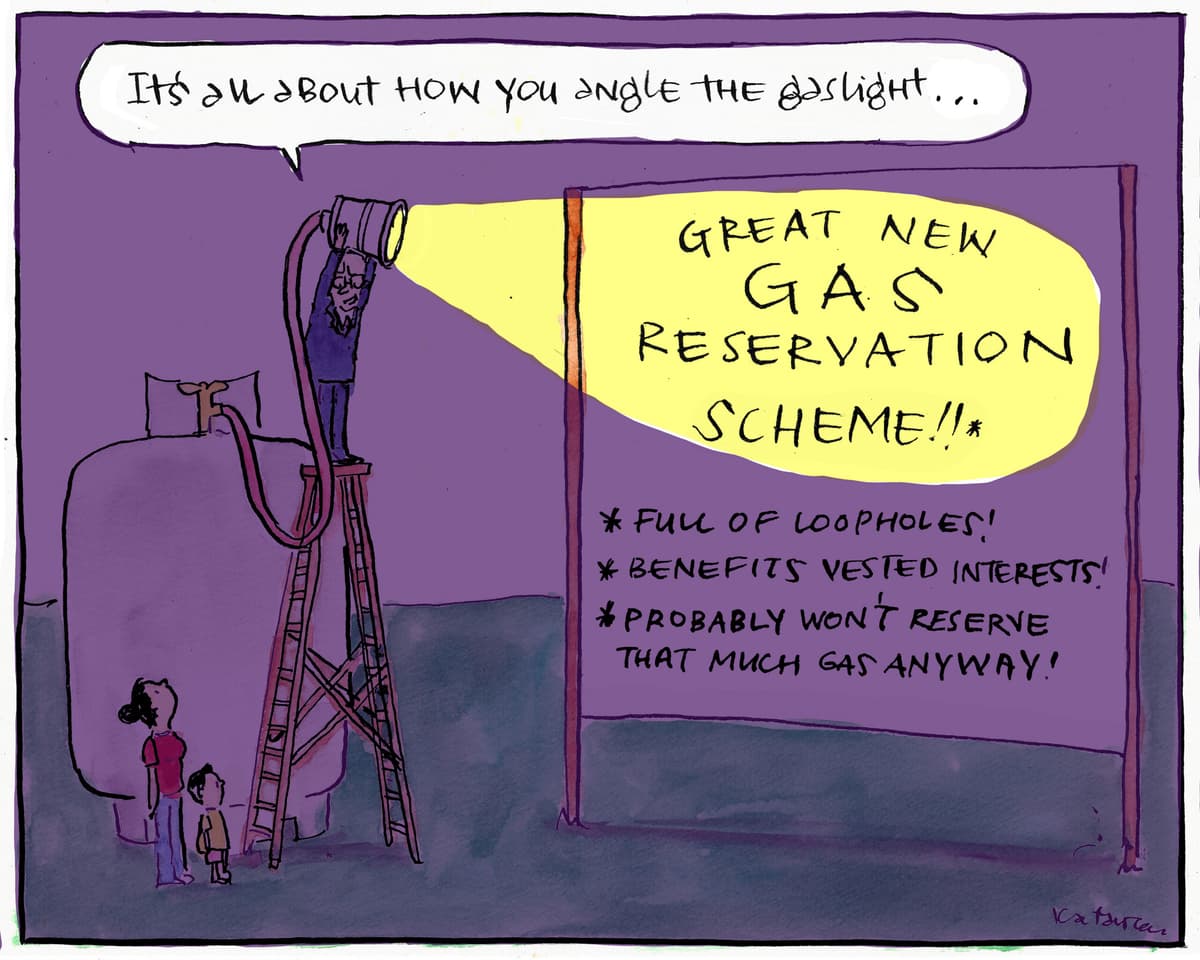
And what did the Prime Minister say to the leaders who are watching their homelands disappear? That Australia is ‘highly regarded’ on climate, that Pacific leaders ‘understand’ a transition takes time, and that our grid recently hit 50 per cent renewables. All true, and all beside the point. You can point to a solar farm in Palau while approving a fracking basin at home. You can talk up the grid while your government hands the fossil fuel industry $16.3 billion a year in subsidies last year alone.
That isn’t climate leadership. It’s a gaslighting strategy, and our neighbours are no longer buying it.
It doesn’t stop at approvals and subsidies. Even the mechanism meant to hold our biggest polluters to account is a pollution greenwash loophole. The government’s new carbon credit method for native forests would let our biggest polluters buy carbon credits from public native forests like the Great Koala National Park and use the resulting credits to offset their own growing emissions under the Safeguard Mechanism – which allows unlimited use of offsets to report emissions reduction.
It is obscene to suggest the only way to save our forests is to let the fossil fuel industry use them to greenwash its pollution. That’s not a climate policy. It’s a permit for more pollution, dressed up as nature protection, letting big polluters cook the books while gas companies frack the Beetaloo with one hand and buy native forest offsets with the other.
This is the credibility Australia is bringing to COP31 as President of negotiations. We are asking to have a key seat at the world’s most important climate negotiations in a few months, at the exact moment we are opening a new gas frontier in the Northern Territory, approving fossil fuel project after fossil fuel project, and our main climate policy is an offset market for the same companies it’s supposed to constrain. You cannot chair a negotiation on climate action that needs to centre on phasing down fossil fuels while expanding them at home. Our Pacific neighbours know this. They are no longer being polite about it either, and they shouldn’t be.
If Australia wants to walk into COP31 or the TAFF Process in Tuvalu as a genuine partner to the Pacific rather than the country its own neighbours accuse of climate vandalism, the fixes are not complicated. Stop approving new coal and gas. End the subsidies. Close the dodgy offset loophole that lets big polluters buy their way out of cutting emissions. Anything less is not a transition. It’s gaslighting, and the Pacific has run out of patience – and time, for it.
Louise Morris is Head of Fossil Fuel Transition at the Australia Institute, with 20 years’ experience encompassing climate, energy, forest protection, and law reform in the not-for-profit sector, and federal politics.