Consolation goods
Finally, there’s even a term that describes the spending undertaken by those of us fortunate enough to be able to treat ourselves after a heavy week or stressful day at work: consolation goods. These are peddled by advertisers, who tell us that retail therapy or a fancy spa week is an antidote to the rat race of modern life.
Economically inefficient
Today’s economic system is one that rewards those at the top and kicks too many environmental costs onto everyone else: a lot of things are artificially cheap because they don’t pay for much of the harm they cause. It’s an economy that treats people as ‘just in time inventory’ and assumes that producing more and more is the solution to all our problems. It creates divisions and ecological breakdown.
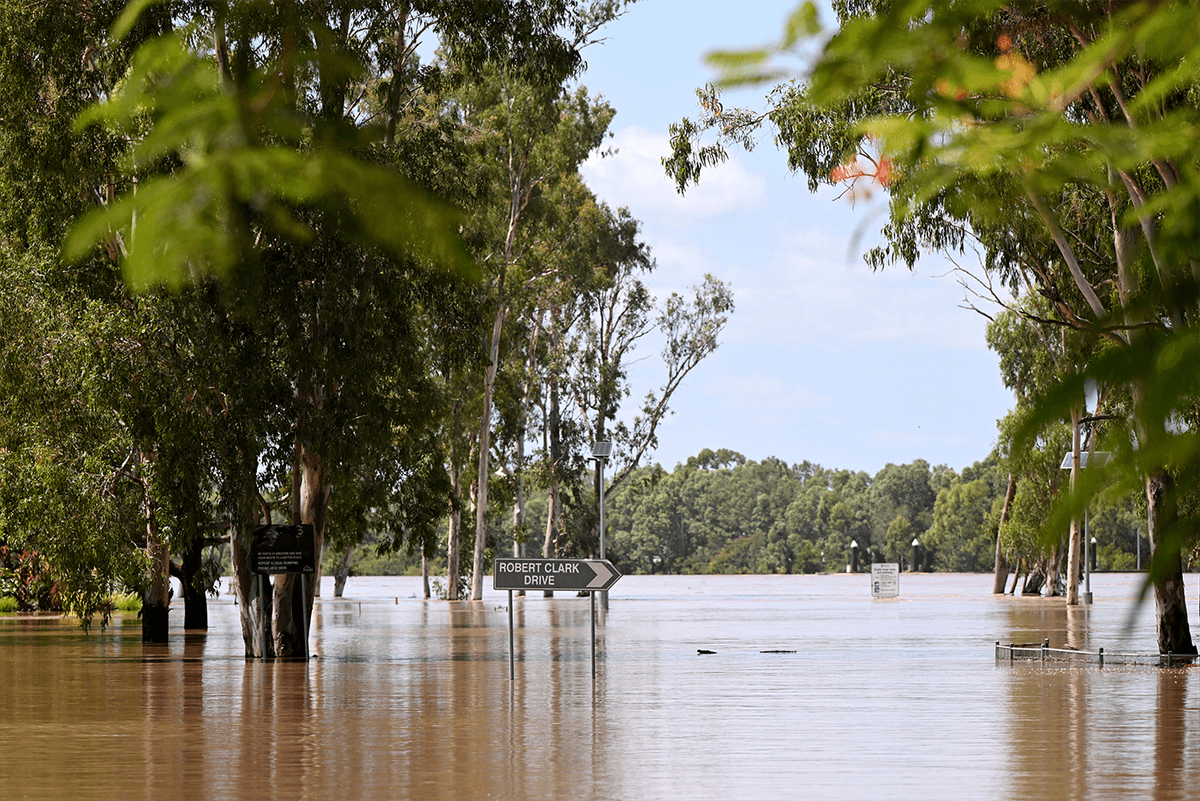
Governments are compelled to spend financial resources (often on inadequate responses), instead of addressing the root causes. In fact, while the human and ecological cost is all too clear, the potential benefit to government budgets in building an economy that serves people and planet underscores the economic inefficiency of today’s economic system, even in its own terms.
The extent of spending on defensive expenditure, failure demand and even consolation goods means that when people talk about the cost of changing our economic system – usually in a tone that implies it is too high and things should simply stay as they are – we can point to these numbers as the possibility of a substantial fiscal benefit of upstream economic change.
The point: working upstream
Fiscal savings might be the possibility, but they aren’t the point.
The point is, of course, to work upstream, creating an economy designed and delivered to meet the needs of people, place and planet, the first time around. The point is to attend to the social determinants of health such as income security, housing, work, connection, which far outstrip the contribution of hospitals and clinics.
That means investing in the sort of lives people deserve by building an economy which creates good jobs, where ownership is shared, where people can afford the basics, and where the environment is regenerated and protected, rather than treated simply as a costless input and a fee-free waste dump.
In that way, an economy that works better for people and planet can inoculate against the harm that drives failure demand and defensive expenditure. That’s the goal of the wellbeing economy agenda: to do better than just paying the bill for the damage caused by the current system and instead redesign the economy that keeps creating it.
Dr Katherine Trebeck is the Economic Change Lead at non-profit The Next Economy.