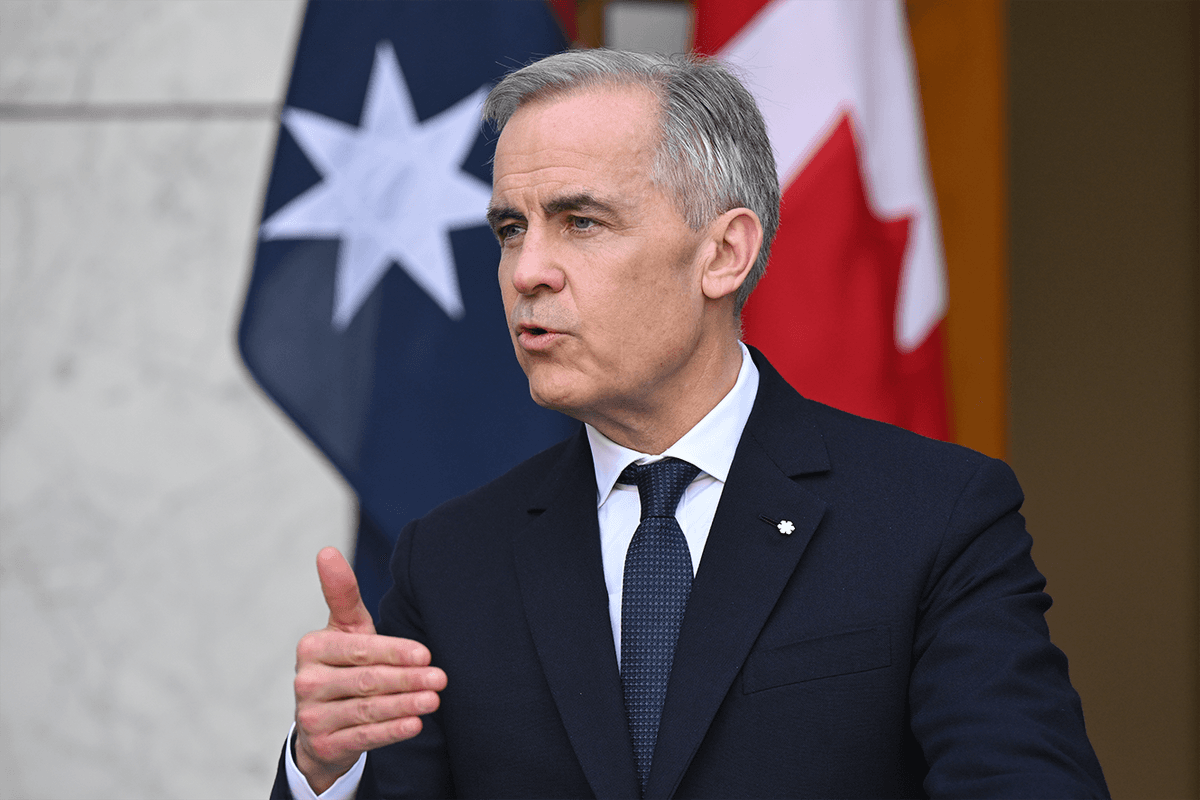
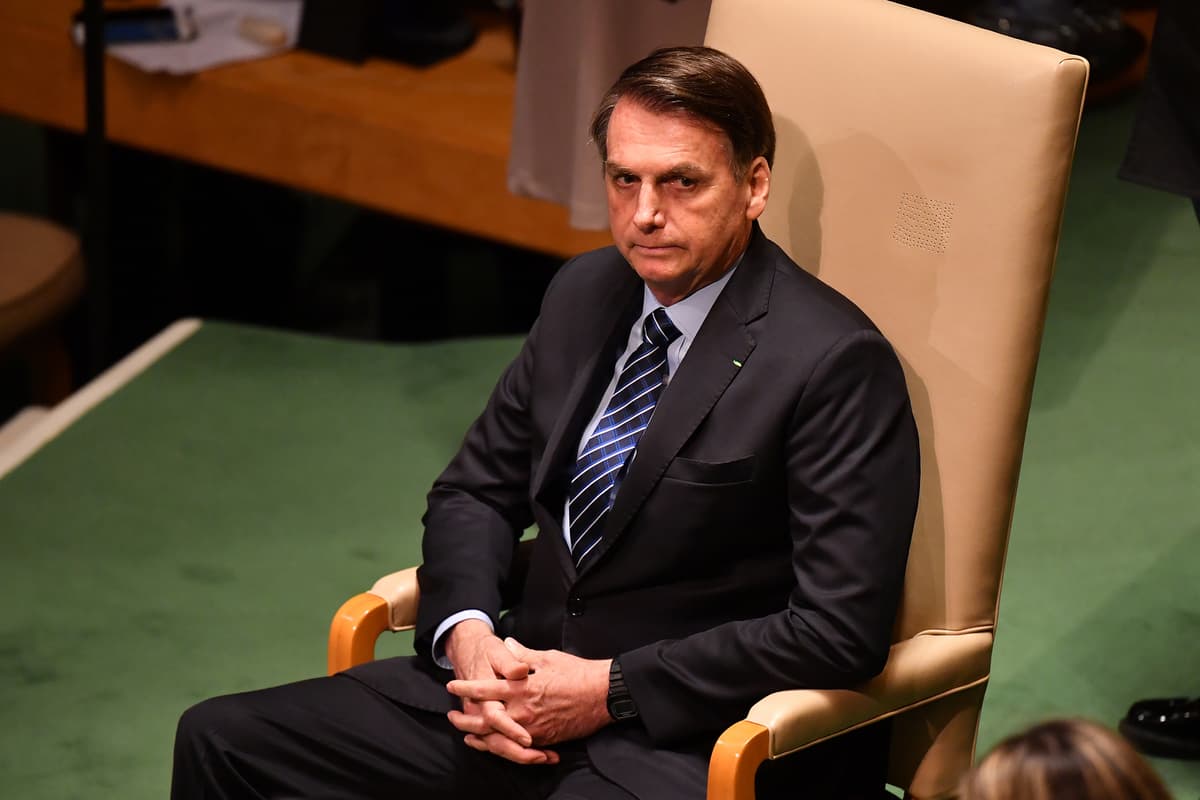
Canadian Prime Minister Mark Carney has rocketed to global celebrity status with his striking responses to Donald Trump’s chaotic actions in trade policy and geopolitics.
His ascension in Canadian politics, and his bold interventions in a global policy world rocked by Trump’s insanity, have heightened his profile and influence exponentially. His now-famous January speech to global business elites at the annual conference of the World Economic Forum in Davos, Switzerland continues to resonate. There he spoke frankly of the collapse of the rules-based world order – an order which, he noted, was never all it was cracked up to be – and called on middle powers to cooperate in building countervailing power in the face of increasingly erratic hegemons (including the U.S.).
Most recently, in a speech to the European Parliament, he further developed his thesis about the need for cooperative pushback from democratic countries against Trump’s unilateralism saw European Commission President Ursula von der Leyen giddily responded by offering Canada ‘associate membership’ in the EU, a thing that doesn’t (yet) exist.
Days later, Carney helped launch a new alliance, called Partners for Multilateralism, with the EU, Brazil, India, and others.
On the home front, Carney has been just as frenetic. His Liberal government’s ‘Build Canada Strong’ agenda has moved quickly to accelerate regulatory approvals for major investment projects, reduce purported ‘barriers’ to trade between Canadian provinces, and launch industrial policies to support value-added manufacturing in various sectors – including autos, steel, railway equipment, defense, and digital technology.
Meanwhile, the bilateral relationship with the Trump administration has gone from bad to worse. This has likely been accentuated by Trump’s anger at being upstaged on the world stage by a credible and influential voice who is willing to challenge his nonsense. Trump initially imposed major tariffs on numerous Canadian products in 2025, part of his broader global trade war.
This violated a binding North American trade agreement with Canada and Mexico that Trump himself negotiated during his first term, in 2019! Like so many of Trump’s deals, this one wasn’t worth the paper it was printed on.
He has threatened more explicit aggression against both Mexico (threatening to send in U.S. troops) and Canada (pledging to use economic force to compel Canada to become the 51st state). Astoundingly, the Canadian government has begun making contingency plans for responding to a U.S. military attack, even though the two countries are still military allies through NATO and the North American Air Defense Command (NORAD).
Canada is one of only two countries (the other being China) that have levied retaliatory counter-tariffs against the U.S. In economic theory, a main reason why countries should not impose unilateral tariffs is the likelihood that other countries will respond in kind, leaving no side better off. But the obsequiousness of most world leaders (including Australia’s) in the face of Trump’s bellicose actions has largely negated that argument.
But despite this widespread global acquiescence, for American workers Trump’s tariffs are not working anyway: U.S. manufacturing investment and employment have both declined notably under his tariffs. This is mostly because the cost of imported inputs for U.S. industry (including essentials like oil, potash, and aluminium for which the U.S. depends on Canada for most imports) have become more expensive.
Canada’s counter-tariffs (originally imposed by Trudeau, but partly retained by Carney) have infuriated Trump. They chip away at the image of dominance he carefully cultivates and could inspire others (both globally and within the U.S.) to call out that this emperor has no clothes.
Most recently, Trump created an artificial deadline to push Canada into one of his unreliable trade ‘deals,’ threatening new 50% tariffs on a modest additional group of imports from Canada in August unless Canada conceded to various U.S. demands. Carney refused, Trump tariffed, and Canada counter-tariffed once again. Daring to retaliate against his unilateral actions elicited a torrent of abuse from Trump – ranging from more economic warfare (still more tariffs) to ridiculous acts (officially ‘renaming’ Lake Ontario, one of the Great Lakes, to Lake America).