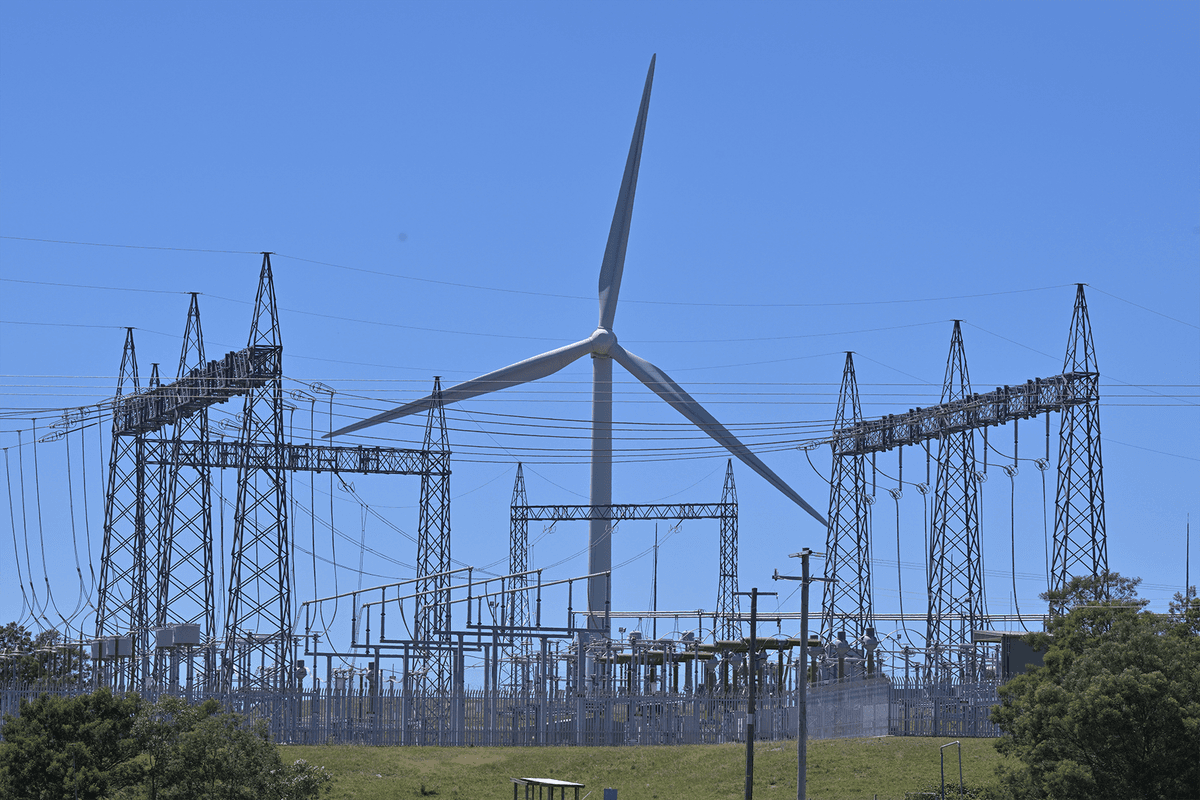
This is not subsidy for its own sake. It recognises that electricity, like transport, water and telecommunications, is essential infrastructure. AEMO’s Integrated System Plan describes the scale of coordinated investment required across generation, storage, transmission and consumer energy resources as coal-fired generation retires.
There is a further question Australia has not adequately answered: when government makes such assets investible, who should own the value created?
Public action often does the hard work. Governments enable transmission, planning frameworks and renewable-energy zones. They may provide grants, concessional finance, guarantees or long-term contracts. Taxpayers and electricity consumers can consequently carry some of the risk that makes projects financeable.
Private investors – including Australian superannuation members – should receive a return for supplying capital and bearing commercial risk. But it does not follow that all the upside should accrue to project developers or external investors.
Where public support is material, it can be structured to give the public a stake in success as well as exposure to failure. This might include public co-investment, a share of revenues or returns, and public stakes in enabling infrastructure. The Future Fund could participate alongside super funds and other investors in nationally significant transition and resilience assets that meet clear commercial, governance and public-interest tests.
That would not mean making the Future Fund a political project developer. It would mean treating public risk-bearing as something that should generate public value.
The climate dimension makes the task more urgent.
Inflation is increasingly shaped by forces that higher interest rates cannot fix: floods, fires, heatwaves, crop losses, damaged infrastructure, disrupted freight, insurance withdrawal and international fossil-fuel shocks. These are supply-side pressures, often magnified by climate change and dependence on global oil and gas markets.
Investment in clean electricity, electrification and resilience is therefore not only climate policy. It is part of an anti-inflation strategy.
Every year of delay leaves households and businesses exposed longer to volatile fuel costs, ageing coal assets, avoidable system failures and escalating climate damage. It can also make capital more expensive, as investors price uncertainty into projects that should have been treated as planned national infrastructure.
Australia does not need to choose between prudent investment and a rapid transition. Prudence means recognising the higher costs of an unmanaged transition: higher bills, greater climate damage, lost industrial capability and public money repeatedly spent repairing avoidable harm.
Australia’s superannuation system, government balance sheet and Future Fund are substantial national assets. Used intelligently, they can help finance cleaner, more resilient infrastructure—and ensure its rewards are not captured solely by those best placed to benefit from public risk-taking.
Professor Ray Wills, Managing Director, Future Smart Strategies; Adjunct Professor, The University of Western Australia
Howard Buckley, Chief Executive Officer, Future Smart Strategies
Professor Peter Newman AO, John Curtin Distinguished Professor of Sustainability, Curtin University; advisor-at-large, Future Smart Strategies
Together, Wills, Buckley and Newman bring complementary expertise in sustainability, regional and urban planning, climate change, project development, community stewardship and long-term policy implementation.