In five days, the Carroll Labor Government approved a $1 billion gas project off Ninety Mile Beach and gave the green light to restart the Patricia-Baleen gas fields off the Gippsland coast. The state election is on 28 November. The timing is hard to miss.

Fri 30 Oct 2026 12.52 AEDT
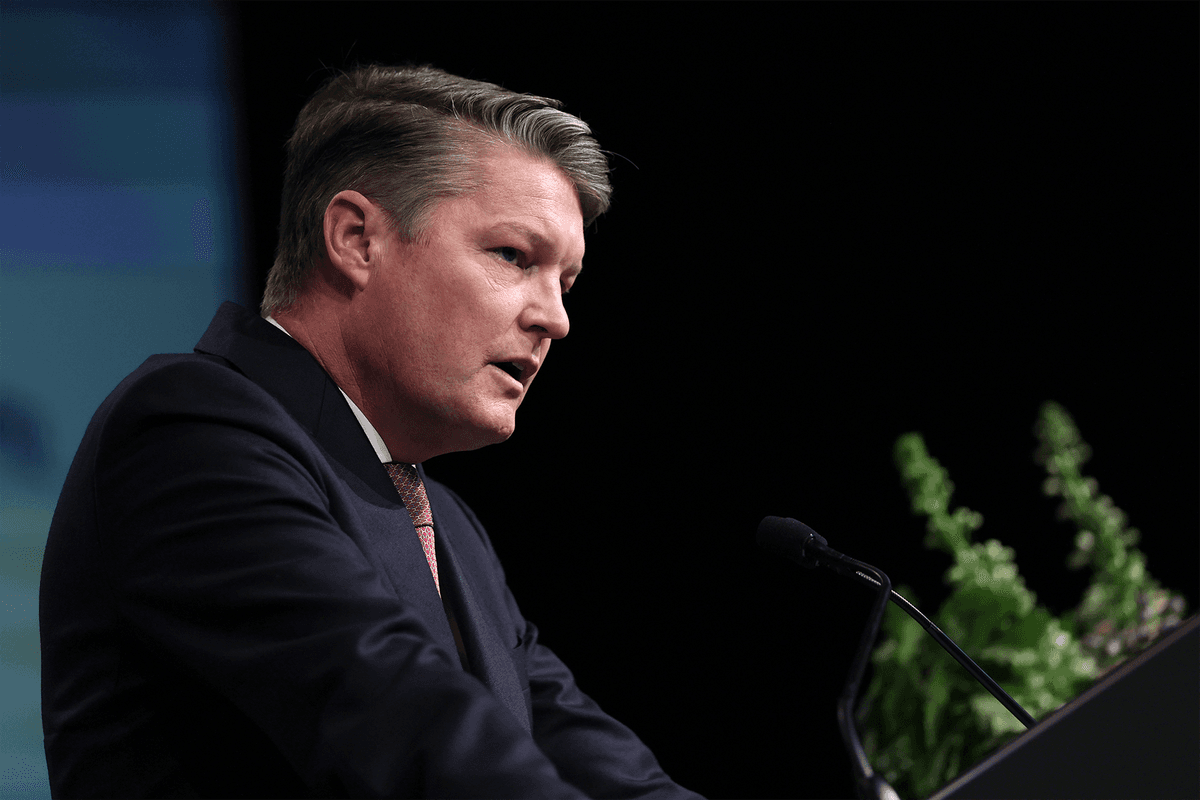
Photo: AAP Image/Con Chronis


In five days, the Carroll Labor Government approved a $1 billion gas project off Ninety Mile Beach and gave the green light to restart the Patricia-Baleen gas fields off the Gippsland coast. The state election is on 28 November. The timing is hard to miss.
It came right after a leaked briefing paper made the Herald Sun front page under the headline “Dire gas shortage warning”. The Liberals jumped on it, promising to scrap Victoria’s gas appliance bans within 100 days. Labor answered with approvals. Different parties, same script: Victoria is about to run out – drill baby drill!
It isn’t.
Look at what has been signed off or announced lately. Annie gas project, near the Twelve Apostles, in May 2026. Golden Beach on 23 October. Patricia-Baleen on 28 October 2026. A $350 million development off the Kipper and Turrum fields in Bass Strait. A $400 million exploration program in the Otway Basin. Appraisal work onshore in Gippsland. Four more possible Woodside wells. That is the government’s own list of gas industry expansion plans.
Patricia-Baleen shows how weak that plan is. The field has been shut down for many years. The Premier says it will deliver up to 15 petajoules between 2028 and 2035, about seven per cent of one year of Victorian gas use. The government itself admits Bass Strait gas supplies are at end of life. So, why we are risking our coastline to scrape the bottom of the barrel of tired, unviable gas fields?
And the approvals are only half the story. Governments are also handing over more public land and ocean to exploration tenders. The Commonwealth’s 2025 Otway release put five new offshore exploration areas up for bidding, two off Victoria and three off Tasmania. Four of them alone cover 389 blocks (noting the ocean has no blocks) of deep ocean. The Victorian Government went to tender for an offshore block in state waters and an onshore block in Gippsland. Next door, South Australia ran its own Otway Basin release.
Governments say this is about local supply. But the local market is heading the other way. AEMO expects gas use to keep falling as households electrify, while on average 80 percent of the gas Australia extracts goes to export. More land and ocean for gas companies is a gift to the export industry, not to Victorian families.
Analysis by Ketan Joshi, found that Victoria produces more gas than it used. In FY23/24, consumption fell to its lowest level since the late 1980s. Prices have climbed because local gas is now tied to the export market as of 2015. People who are sick of being slugged with high gas prices are switching to electric where they can
Quality research, analysis, explainers and factchecks from experts you can trust.
AEMO does see east coast supply gaps from 2030. It also says they can be met by new supply or by cutting demand. One of those options is already working, and it isn’t the one being rushed through before an election.
So why all the talk of a gap in one of the world’s biggest gas exporters? Because the gas Victorians are told they need is the gas being shipped overseas.
And those exporters pay remarkably little back to Australian revenue. The Australia Institutes Gas Giveaway Tracker shows about $49.8 million a day in revenue forgone by not having a 25 per cent tax on gas exports. That’s around $350 million a week. A 25 per cent tax could raise up to $17 billion a year.
Victorians are being asked to bear the risk to their coastline, health and environment, and swallow a scare campaign, so multinationals can ship gas offshore on a tax holiday.
Storage and winter peaks are real questions, and Golden Beach is partly about storage. But that is a reason to put a tax on gas exports to encourage companies to prioritise domestic sales first. It is not a reason to approve projects by press release in the lead-up to an election
Whoever wins on 28 November, the next government should do three things. Stop spinning every approval as energy security. Put a fair gas export tax on the table that will inspire companies to sell local first. And back the transition away from gas to renewables that is already cutting gas demand and bills.
Victoria doesn’t need more gas. It needs a government, and an opposition, brave enough to take on Big Gas, make them pay their fair share before the wells run dry and the companies leave communities holding the clean-up bill.
Louise is an award-winning advocate with 20 years’ experience encompassing climate, energy, forest protection, and law reform in the not-for-profit sector, and federal politics before joining The Australia Institute.

