You don’t get out of an economic crisis like the one we’re in through austerity. Cutting government services will only result in the people who can least afford it, falling further and further behind.

Thu 5 Nov 2026 12.44 AEDT
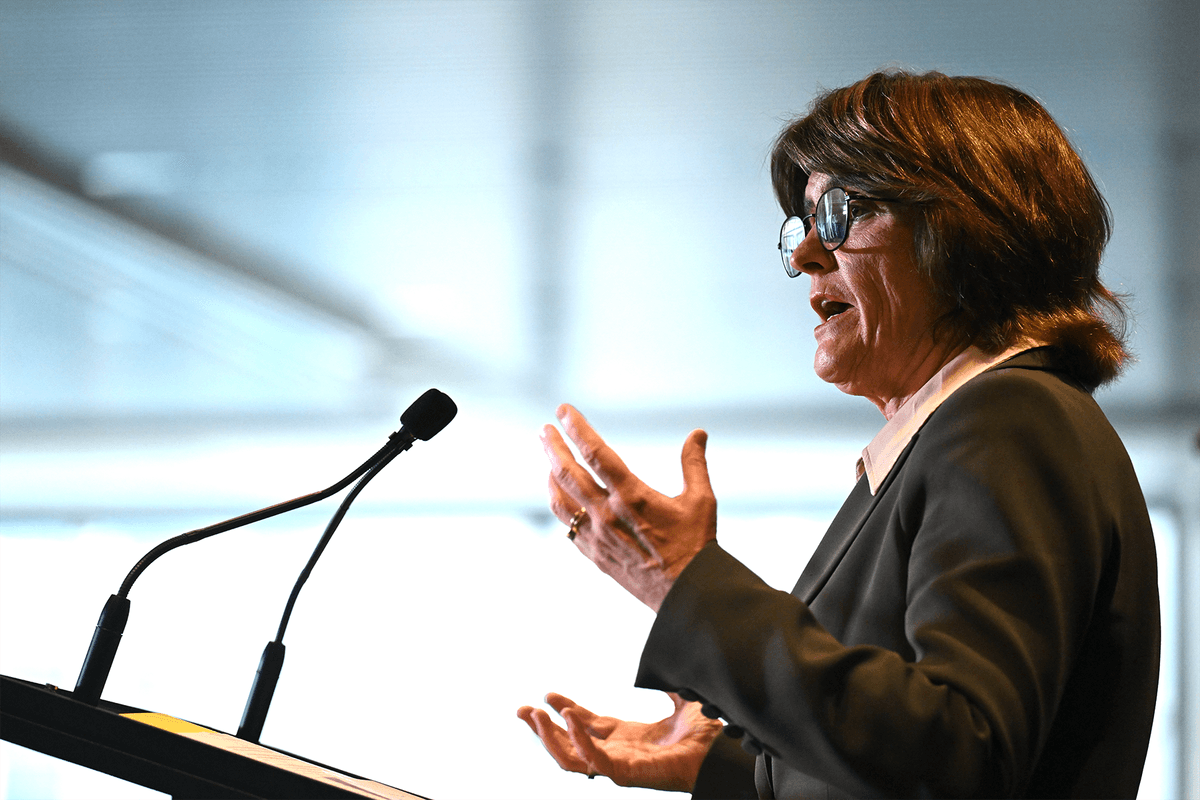
Reserve Bank of Australia Governor Michele Bullock addresses the media during an RBA media conference following Tuesday's monetary policy announcement. Photo: AAP Image/Dean Lewins


If you wanted another reason not to like AI data centres, the Reserve Bank of Australia (RBA) has just provided one: the surge in data centre construction, fueled by US tech bro billionaires, is seriously fuelling inflation. Yet the response from the Albanese Government is to ignore this and immediately talk about cutting Government spending.
Labor and the Liberals share the same narrow view. When inflation is high, they let the Reserve Bank push the red button that drives up interest rates, and they happily make millions off of mortgage holders who take the hit. The only alternate budget measures this lot are willing to even consider are cutting government support for the same people already being smashed by interest rates.
These are the wrong choices, and they impact the wrong people.
Many mortgage holders have already cut discretionary spending to the bone. This isn’t their first rate rise. To the extent their spending is inflationary, it’s not because they are buying more of anything. Their spending is inflationary only because the essentials we all need to buy, food and energy especially, have all surged in price.
The same 40 litres of petrol and the same dozen eggs now costs a whole lot more than a year ago. But people still need to eat and to get to work, so this latest interest rate rise will not significantly push down spending; its main impact will be to increase debt and hardship.
You would not know it from the government’s response, but a significant cause of Australia’s inflation is rent increases. Rents across the country have gone up 40% in the last five years, and they are still rising. Renters are being hit harder than ever. The RBA’s statement made it clear that rents had risen above baseline inflation in the last quarter and there was every indication that they would do that again in the next one. Uncapped rents have been a big part of why interest rates have risen four times this year.
The good news is there are buttons other than interest rates that the government can push to actually fix inflation.
The first button to push would put an immediate moratorium on the construction of new data centres. The RBA said very bloody loudly to anyone who read their decision that the AI-fuelled data centre rollout is a major cause of inflation. A moratorium would not only take the heat out of the economy, it would also have the other benefits of stopping something the community loathes, protecting Australian creatives and protecting our energy and water.
This would not only fight inflation, but it would also give a boost to the housing sector. Australia’s building sector is severely overstretched; this extra competition for labor and materials for building data centres is highly inflationary. We should be building homes for people to live in, not data centres for tech bros.
The second button is the one that increases the corporate tax take. Inflation is also being driven by corporations making enormous untaxed profits. While most Australians see high energy prices as a serious problem, draining the family’s bank account to fill up the car, the owners of fossil fuel companies are laughing. We are seeing record profits from companies like AMPOL, who increased their profits by 376%, together with Woodside and Santos who are both predicted to have a record surge in their profits from war-fuelled energy price hikes.
Quality research, analysis, explainers and factchecks from experts you can trust.
The big four banks also make a fortune when interest rates increase. The additional costs you pay on your mortage go somewhere, and it is the pockets of the banks. The big four are raking in $266,000 in profit from the average owner-occupier mortgage, up $40,000 since interest rates started rising earlier in the year.
We could press a button that properly taxed corporate profits and take billions of dollars out of the economy. It would mean less asset speculation, fewer dividends to the 1% owners, fewer luxury yachts, lower executive bonuses and less high end dining, all meaning less inflation.
The third button would be to implement national rent controls. We should mirror the situation in the ACT and limit rent rises to inflation, or adopt the model being suggested by the NSW Greens and limit them to a maximum of 2% per annum to let renters catch up. This would have an immediate and nationwide impact, reducing the price of housing and pushing down inflation. It would also help renters who so need a break.
The causes of the inflation crisis can be fixed. The government can take action to crack down on corporate price gouging, to distance ourselves from Trump’s reckless wars, put a moratorium on the massive build out of AI data centres across the country and cap rents. This is all achievable, and it would actually work.
This isn’t all the fault of the RBA. They’ve only got the one button which is attached to interest rates. It’s the fault of the economic consensus and the refusal of Parliaments to use the fiscal levers to fairly take the heat out of the economy, by targeting the 1%. Government must learn this lesson.
You don’t get out of an economic crisis like the one we’re in through austerity. Cutting government services will only result in the people who can least afford it, falling further and further behind.
The only way to get out of the crisis we’re in is to make big corporations and the ultra wealthy pay their fair share, then invest it in things which will reduce the cost of living for everyday people.
During her address yesterday, RBA Governor Michelle Bullock addressed the main causes of inflation and named them: rents, war and data centres. It seems no one in Parliament, except the Greens, have been listening. We heard, we know the answers and we are fighting for them.
Senator David Shoebridge is the Leader of the Australian Greens and a Greens Senator for New South Wales.

