This is the fifth piece of seven in an ongoing series examining the remarkable flaws of the Safeguard Mechanism, updating our previous analyses with new data, facts and figures as a review of the scheme kicks into gear.

Tue 17 Nov 2026 10.03 AEDT
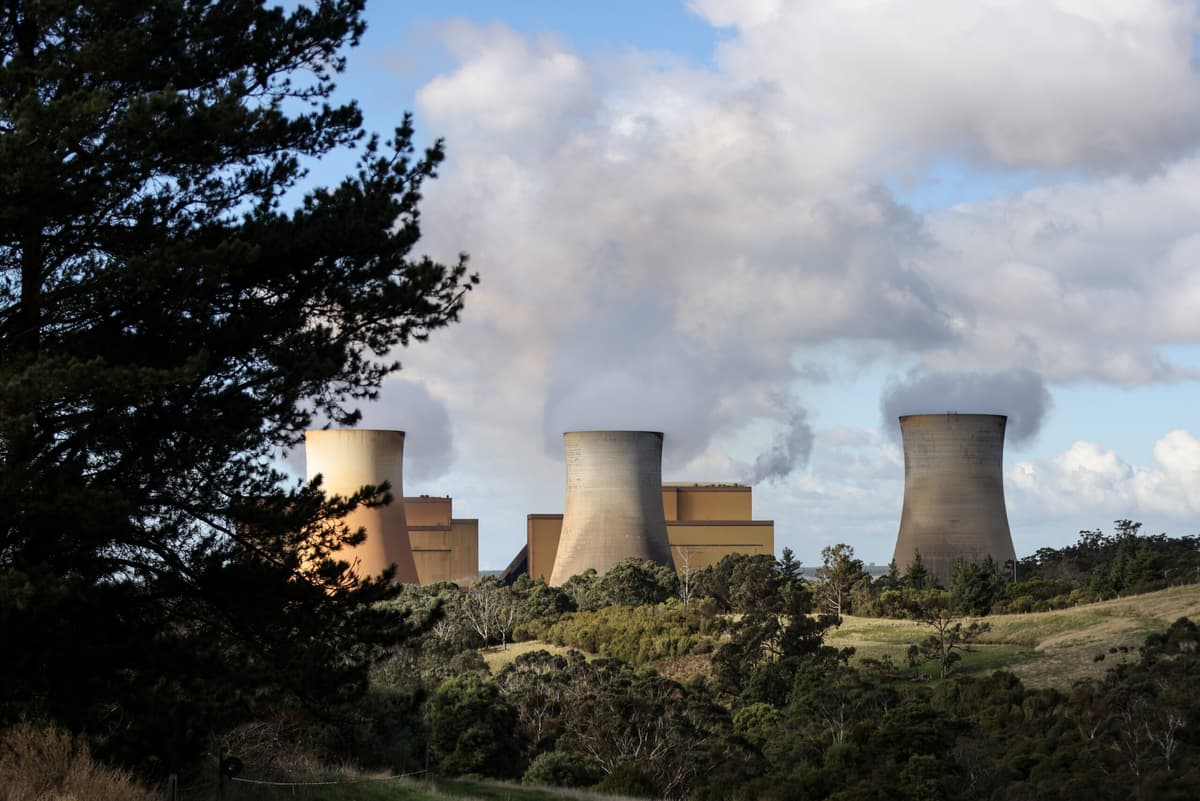
Photo; AAP Image/Diego Fedele


Sometimes, we see debates about whether carbon offsetting ‘works’. As we’ve shown many times before, it does not work to reduce greenhouse gas emissions, and in high-polluting petrostates like Australia, it tends to actively worsen them. What we know now is that they really do ‘work’ when you acknowledge their real purpose: cooking the books and enabling the continued expansion of fossil fuels.
It’s important to remember that no fossil fuel company is particularly keen on paying a lot of money for this service. It defeats the point of capitalism if your greenwashing method is costly to maintain. This is one of the most significant problems with the hollow promise of ‘high integrity’ carbon offsets. No company wants to buy expensive, real climate action in the form of carefully managed and regulated carbon markets. That defeats the point of offsets. Once you acknowledge the real reason that this industry exists, you come to the realisation that the only way forward is strictly limit the use of offsets, instead of trying to regulate the way they’re generated.
The latest data release from the Clean Energy Regulator (CER) shows that the most popular types of carbon offsets are types that have the most significant integrity issues attached.
Namely, in FY25, most so-called carbon offsets used by companies related to landfill gas (where methane that would have otherwise leaked into the atmosphere is purportedly burnt instead), ‘human induced regeneration’ (where landscape is allowed by owners to naturally regrow and therefore purportedly sequester carbon) or ‘avoided deforestation’ (where a landowner planning to cut down forest is incentivised not to do that, also purportedly sequestering carbon).
In Safeguarding the Fossil Fuel Industry, The Australia Institute provides detail on how these three methods are unlikely to be truly providing the abatement claimed by those generating and selling the offsets. Broadly, the problems with these existing and proposed future carbon offsetting schemes tend to relate to the claim relying on a counter-factual that is difficult if not impossible to prove. The incentives are to maximise the sale of offsets rather than to maximise climate action.
Quality research, analysis, explainers and factchecks from experts you can trust.
A relevant data point here is asking simply whether Australia’s estimated carbon sequestration levels have been increasing, which we would expect if the Australian Carbon Credit Units (ACCU) scheme was truly encouraging the protection and regrowth of carbon sequestering vegetation. Similarly, the agriculture and waste sectors are name-checked by DCCEEW in their Safeguard Mechanism Consultation Paper.
However, the latest emissions data show these three sectors (land use, agriculture and waste) have not seen systemic reductions in their emissions. Indeed, the land sink has for half a decade now been sequestering less and less carbon from its 2020 peak. If carbon offsets are driving serious emissions reductions in these sectors, it is not evident in the available data.
This is incredibly damning. These are meant to be the sectors that benefit the most from the proliferation of carbon offsets in Australia. Where’s the progress? It’s almost impossible to see. This is why carbon offsets truly have no place in good climate policy: the most hollow, fake promises are the ones that rise immediately to the top.
Ketan Joshi is a climate analyst and writer.

