Five years ago, Australia made a costly mistake.
Experts warned governments the national fire ant eradication program needed at least $200m a year to stay ahead of the invasion. Governments chose to spend around $60 million instead.
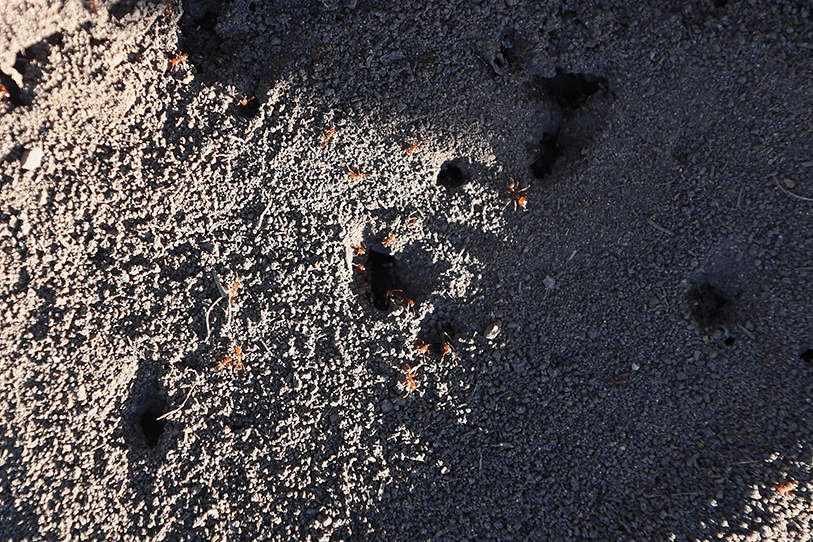
Starved of eradication resources, the fire ant infestation exploded by over 40 per cent, growing from 600,000 to 850,000 hectares. The fire ants didn’t politely wait for government budget cycles. In six weeks in winter 2023, there were six fire ant containment breaches. Every mainland state has had fire ant incursions. Fire ants were detected three times in New South Wales and west of the Great Dividing Range at Oakey.
Funding gaps turned a manageable biosecurity challenge into a crisis we are still paying for.
Millions of taxpayer dollars and hours have been poured into chasing an invasion instead of containing and eradicating it. Every delayed funding decision meant more nests, more land to survey, more freight pathways to monitor and more communities put at risk.
Only now are we beginning to claw back the ground we lost.
After years of community calls for sustained investment, the national eradication program is finally gaining the upper hand. Fire ant numbers have plummeted in suppression zones, and for the first time in years, the eradication effort is pushing the invasion back instead of simply trying to keep pace with its spread.
That should be cause for optimism. Instead, I’m watching governments make the same mistake again.
The national fire ant eradication program is approaching another funding cliff in 2027. If funding decisions get delayed by negotiations or penny-pinching, we will regret it forever.
Half measures and cut corners have landed us in this mess – it’s time to pay the bill, maintain momentum and eradicate fire ants. Funding uncertainty is already undermining eradication efforts and making forward planning beyond the 2027 funding cliff impossible. Unless the Commonwealth and every state and territory commit to the long-term investment needed to finish the job, we risk slowing the program just as it is proving that eradication works.
We already know how that story ends.
Fire ants have killed people overseas, attacked pets and livestock, destroyed crops, damaged electrical equipment and made parks, sporting fields and backyards unsafe. They hitchhike in freight, spread through soil, survive floods by forming floating rafts and can fly kilometres in search of new territory.
Almost every corner of Australia has a climate suitable for fire ants.
If they escape containment, this won’t remain Queensland’s problem. It will become everyone’s problem.
Independent modelling estimates an established fire ant population would cost Australia at least $2 billion every year through lost agricultural production, damage to homes and infrastructure, medical costs and reduced productivity. More than 650,000 additional medical appointments could be needed annually.
Our wildlife would also pay a heavy price. Studies predict major population declines across birds, mammals, reptiles and frogs in areas invaded by fire ants. At a time when Australia is already battling an extinction crisis, allowing another invasive species to spread unchecked would be an act of extraordinary negligence.
We already tried underfunding fire ant eradication. It didn’t save taxpayers’ money. It simply allowed the invasion to grow, making the eventual response far larger and far more expensive.
Every state and territory has a stake in ensuring the program succeeds, because every state and territory will bear the consequences if it fails.
The choice facing governments over the next 12 months is remarkably simple:
They can provide the long-term funding needed to finish the job once and for all.
Or they can repeat one of Australia’s most expensive biosecurity mistakes and leave future generations paying for it year after year.
Reece Pianta is Advocacy Director at the Invasive Species Council