Australia’s ‘season of generosity and kindness’ doesn’t extend to kids in poverty
How can Australia solve the issue of child poverty?
Wed 24 Dec 2025 06.00

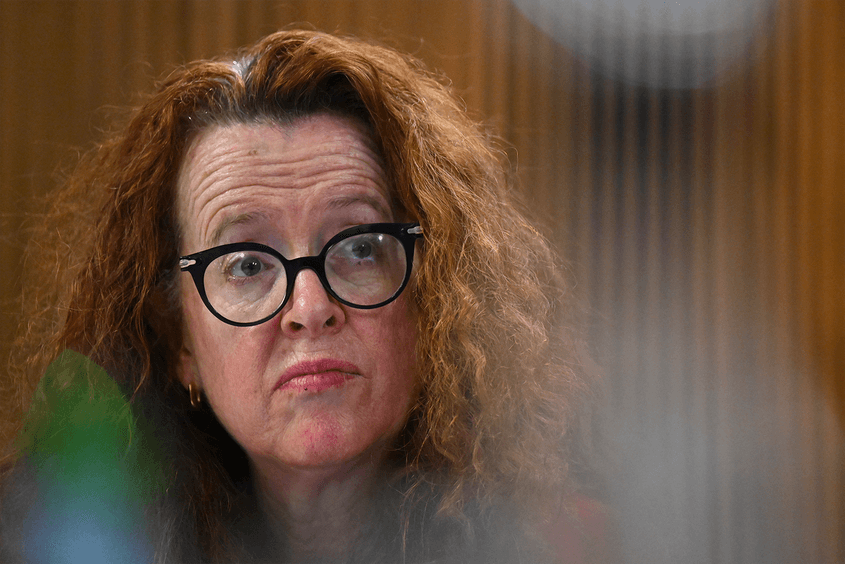
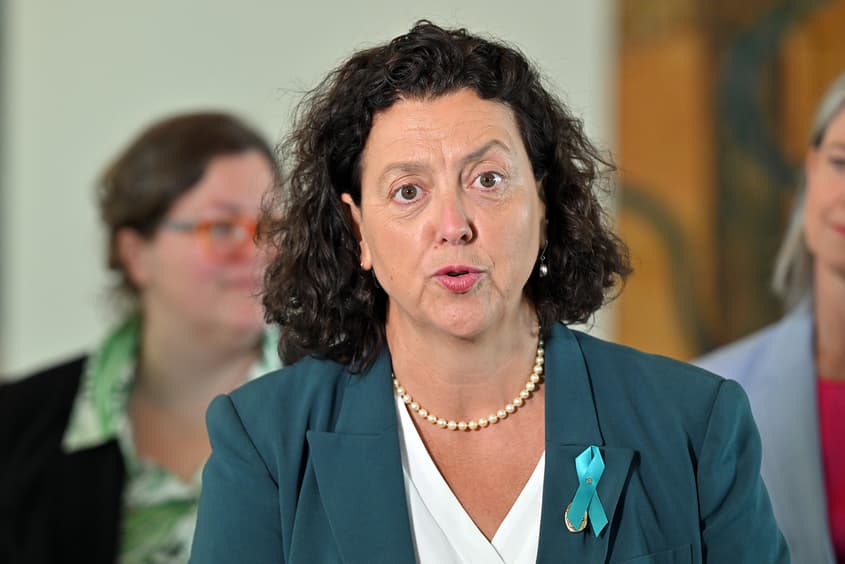
Photo: AAP Image/Bianca De Marchi


Last year, the Prime Minister wished us all a very Christmas, noting:
Unfortunately, these words don’t match the reality facing hundreds of thousands of kids this (and every) holiday season.
In Australia, about one in six children lives in poverty, nearly a million overall.
It shouldn’t need saying, but child poverty is awful
Evidence from the US shows that children living in poverty are twice as likely to develop chronic illnesses such as asthma, heart disease, and depression. Poverty, particularly during early childhood, can also lead to ‘toxic stress’, a state in which a child’s ‘stress-response system’ is constantly overwhelmed. This chronic state of stress can alter a child’s brain structure, negatively impacting their cognitive and emotional development. Child poverty can have cascading impacts on future health, education, and employment prospects.
But apart from these impacts on their future, child poverty is simply wrong, right now. It is just wrong that children will go hungry and without toys this holiday season, or any time of year.
What’s the solution?
While the causes of poverty can be complex and multifaceted, poverty is, by definition, an income-dependent state. This makes the road to reducing or even eliminating poverty quite straightforward: lifting the incomes of people above the poverty line.
Why hasn’t this already happened?
It’s not as if there’s “not enough to go around”. Australia is rich, very rich.
Australia is one of the highest-income countries in the world. We have the 9th highest average income among 38 developed countries in the Organisation for Economic Cooperation and Development (OECD).
Yet when it comes to poverty, Australia compares badly; we have above-average rates of poverty for children, the elderly and overall. We have over double the child poverty rate of Nordic countries like Denmark and Finland.
Australia has done this before
The Australian Government has already shown how easy it is to reduce poverty.
In response to the COVID-19 pandemic, the Government introduced an income support payment worth an additional $550 per fortnight to people receiving unemployment payments (JobSeeker). This single change lifted 647,000 Australians out of poverty overnight. The number of children under the age of 15 living in poverty dropped from 761,000 to 516,000, a decrease of 245,000. When this temporary measure expired, these people plunged back into poverty.
But right now, Australia does not even officially measure poverty
Australia does not even have an official poverty line or monitoring of poverty. While measures such as the inflation rate and unemployment rate are regularly reported in the media, the same is not true for poverty. In fact, the most recent official data upon which Australian poverty and inequality statistics are calculated is over five years out-of-date and new figures are not expected until 2027.
Solving child poverty is highly popular
Measuring and reducing child poverty is highly popular. According to Australia Institute polling, four in five (83%) Australians support the Commonwealth Government regularly measuring and reporting on poverty rates in Australia. Four in five (81%) Australians also agree that income support payments should be set at a rate that does not cause any child in Australia to live in poverty.
Poverty is a policy choice. Every year, Australia decides, through the politicians we have elected, that ending child poverty is not a priority.
The Government needs to be brave
The Albanese Government hasn’t been totally negligent on this issue. Back in 2023, the Government wound back a Gillard-era welfare cut for single parents. This certainly helped some kids, but there is a long way to go. If Albanese is serious about ‘progressive patriotism’, he could start by pulling kids out of poverty before the next holiday season.
Related Articles
Government urged to reconsider changes to EV incentives amidst global fuel volatility
The Albanese Government is being urged to rule out changes to the Electric Car Discount in the May budget, as global fuel volatility intensifies pressure to ease the cost of living.
See What You Made Me Do: Foreword
This is the new foreword, written by Clare Wright, for the new updated edition of 'See What You Made Do' by Jess Hill