The 2026 Melbourne Fashion Festival is on this week. This year’s event marks a major milestone as the festival celebrates its 30-year anniversary. It's one of the biggest fashion events in Australia, and it puts Australian design, talent, innovations, skills, trends, and workers in the international spotlight.
Thu 19 Feb 2026 01.00
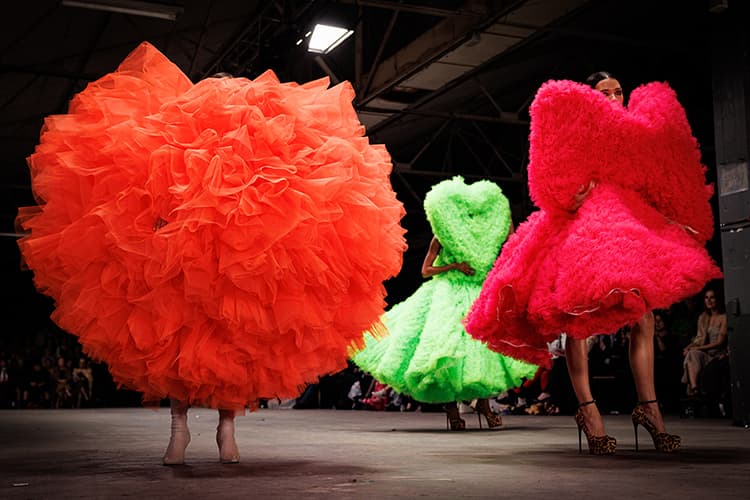
Photo: Models Wearing design by Leah Wilkinson during Melbourne Fashion Week at Younghusband, Melbourne, Friday, October 24, 2025. (AAP Image/Nadir Kinani)


The 2026 Melbourne Fashion Festival is on this week. This year’s event marks a major milestone as the festival celebrates its 30-year anniversary. It’s one of the biggest fashion events in Australia, and it puts Australian design, talent, innovations, skills, trends, and workers in the international spotlight.
This year’s festival will feature premium runways showcasing Australia’s new, legacy, and Indigenous designers. Importantly, there will also be a focus on circular and sustainable fashion.
But the Australian fashion industry faces major developmental, economic, ethical and environmental issues challenges. Around 220,000 tonnes of textile waste ends up in Australian landfills each year.
This is part of the reason why Seamless, Australia’s National Product Stewardship Scheme for the textiles industry, has created the Seamless Circular Clothing Textiles Fund. The fund will enable seven organisations across the Australian clothing and textiles sector to deliver projects designed to help recycle used clothing, which will help Australia’s textiles industry transition to a more circular economy. This is an opportunity for brands to use waste as a resource for renewed products, which reduces the environmental impact of the industry.
While this is a step in the direction of circularity, stiff competition from ‘fast fashion’ – brands such as Shien, Temu, and now Amazon too – poses an existential threat to the Australian textiles industry.
The stark reality is that, in the past few years, several major Australian retailers have drastically scaled back or closed their businesses, including Dion Lee, Seafolly, Alice McCall, Tigerlily, Ally Fashion, Jeanswest and Mosaic brands (Rockmans, Rivers and Katie’s). Even traditional department stores such as Myers and David Jones have not been immune, as some of their suburban department stores have shut their doors. Fast fashion is the prime suspect, but other factors include cost-of-living pressures, supply chain bottlenecks, rising production costs, reliance on offshore manufacturing, and ethical & labour concerns.
This downturn in the Australian fashion industry is a problem not only for our sense of national pride but because, in defiance of national trends, the fashion industry is female-dominated. Women make up 77% of the fashion industry’s workforce. If fashion labels continue to close, it will have a disproportionate impact on women. Removing growth barriers and providing industry support would have a positive benefit not only on the industry as a whole, but for females in particular.
Supporting the industry will require government investment in advanced manufacturing, workforce needs and the cultivation of a more holistic circular domestic system. These efforts are crucial for generating high-quality jobs, ensuring women’s economic stability, revitalizing domestic manufacturing, expanding global market access, and positioning Australia as a definitive world leader in sustainable and innovative fashion practices. If the Australian Fashion Council is correct, this investment could help the industry be worth $38 billion within the next ten years.
The Melbourne Fashion Festival highlights the talent, innovation and the opportunities for growth within the Australian fashion industry. With the right kinds of support, a fashion industry built on the principles of circularity could make a multi-billion dollar contribution to the Australian economy. Not only would this bring financial dividends, but it would help the planet, which is straining under the weight of fast-fashion waste.
This is an edited extract from "The Ruin of Magic" by Kate Holden, published by Black Inc.
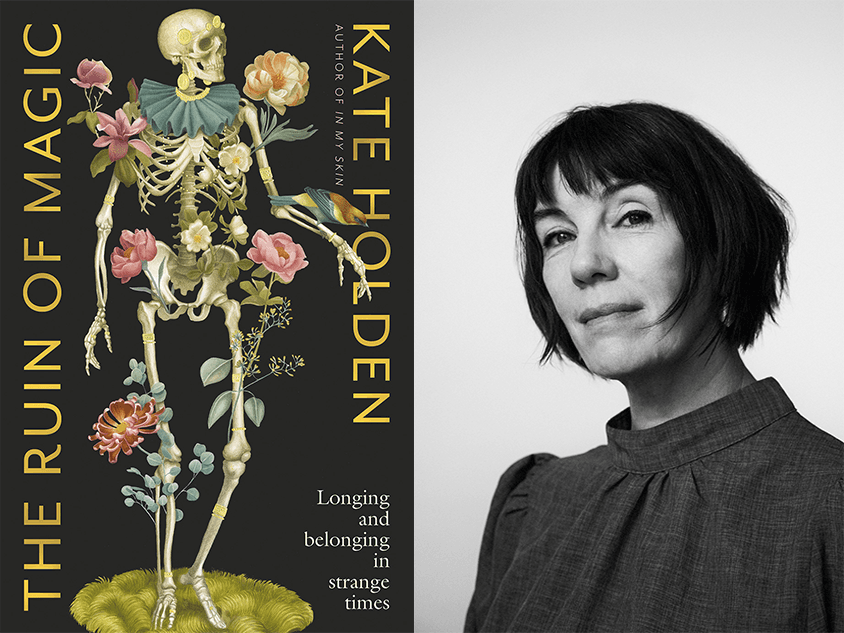
This is the new foreword, written by Clare Wright, for the new updated edition of 'See What You Made Do' by Jess Hill
Advertisement
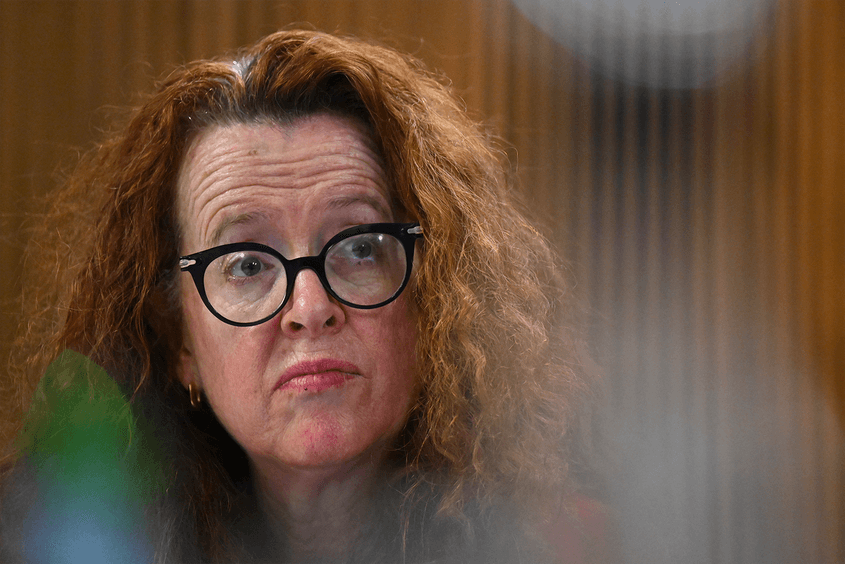
Last year the Australian National University (ANU) was getting some bad press, so they engaged a company called Bastion Reputation to help with the media fallout from restructures and the heavily criticised leadership of its Vice Chancellor, Professor Genevieve Bell. The meeting cost $6,000, which is more than ANU paid me for a full semester of tutoring in 2023. According to a response to an FOI request, the meeting did not warrant any notetaking and was “not significant”.
Australia has more than $11 billion sitting in philanthropic funds that have already received generous tax deductions. Much of that money is intended for public good, but only a small portion is required to reach charities each year.