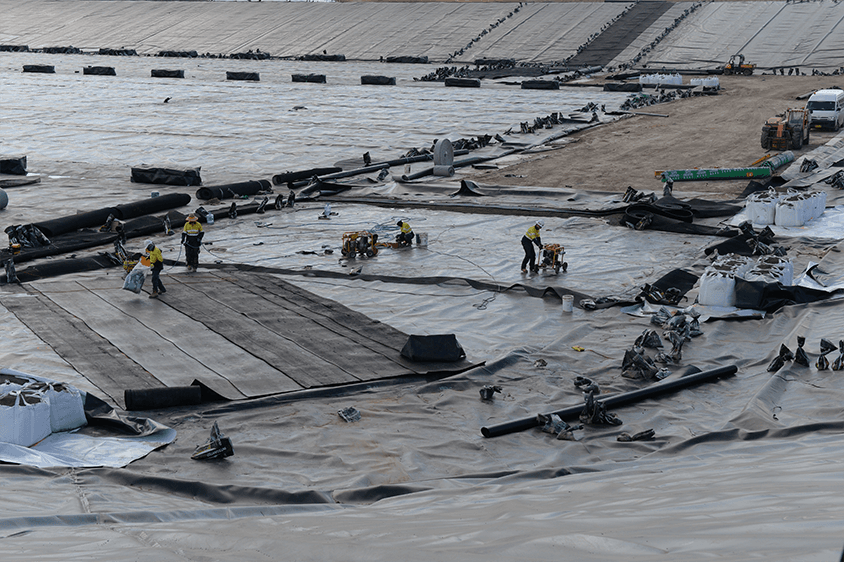
Yes, it’s true. Santos did not pay any corporate tax in the financial years from 2013-14 to 2023-24.
Corporate tax transparency data shows that for the 10th straight year, Santos has made zero corporate tax payments from nearly $47 billion in sales. This covers the period from 2013-14 to 2023-24 (the most recent data available).
In the most recent available financial year (2023-24), they made sales of $8.2 billion and still paid no corporate tax.
You may have noticed how high gas prices have been for the past few years. After Russia’s illegal invasion of Ukraine in 2022, gas prices soared. The gas industry has made huge windfall gains, but despite this, Santos, a major player in the Australian gas industry, has not been paying any corporate tax.
Santos wasn’t the only gas company paying no corporate tax. The same corporate tax transparency data showed Darwin-based Ichthys LNG Pty Ltd has paid zero corporate tax for six consecutive years, from sales of $43 billion.
Corporate tax is paid on profits. If the company doesn’t make any profits, then it doesn’t pay any corporate taxes. But profits are earned after all sorts of deductions. This makes the system extremely complicated. Perfect for a company with savvy accountants.
Australia needs a much simpler system. If a crisis overseas pushes up the price of Australian gas, then Australians should get their fair share of that increase. This is why The Australia Institute advocates for a 25% tax on gas exports. Higher prices should lead to more tax revenue.
Why should the tax be on exports? Because more than 80% of gas is exported or used to export Australia’s gas. And a tax on exporters won’t be paid by local industry and householders. So long as there isn’t an export tax, companies like Santos generate massive revenue at the expense of Australian people.
Our modelling shows that a 25% tax on gas exporters would raise $17 billion a year in revenue.
The US and Israel’s war on Iran has pushed up oil and gas prices yet again. The question is, will Australians get their share of the profits companies make off Australian gas, or will it flow to the largely foreign-owned gas companies?
We will find out soon when the budget is released in early May.