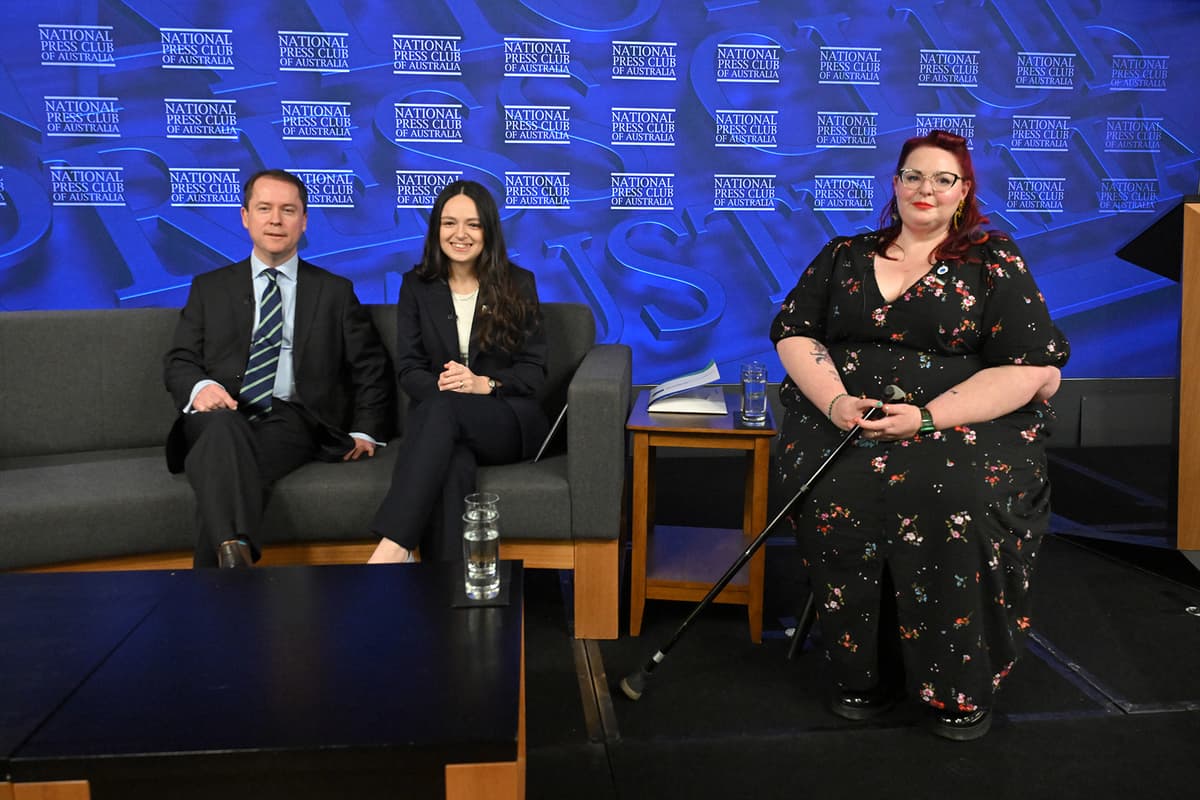
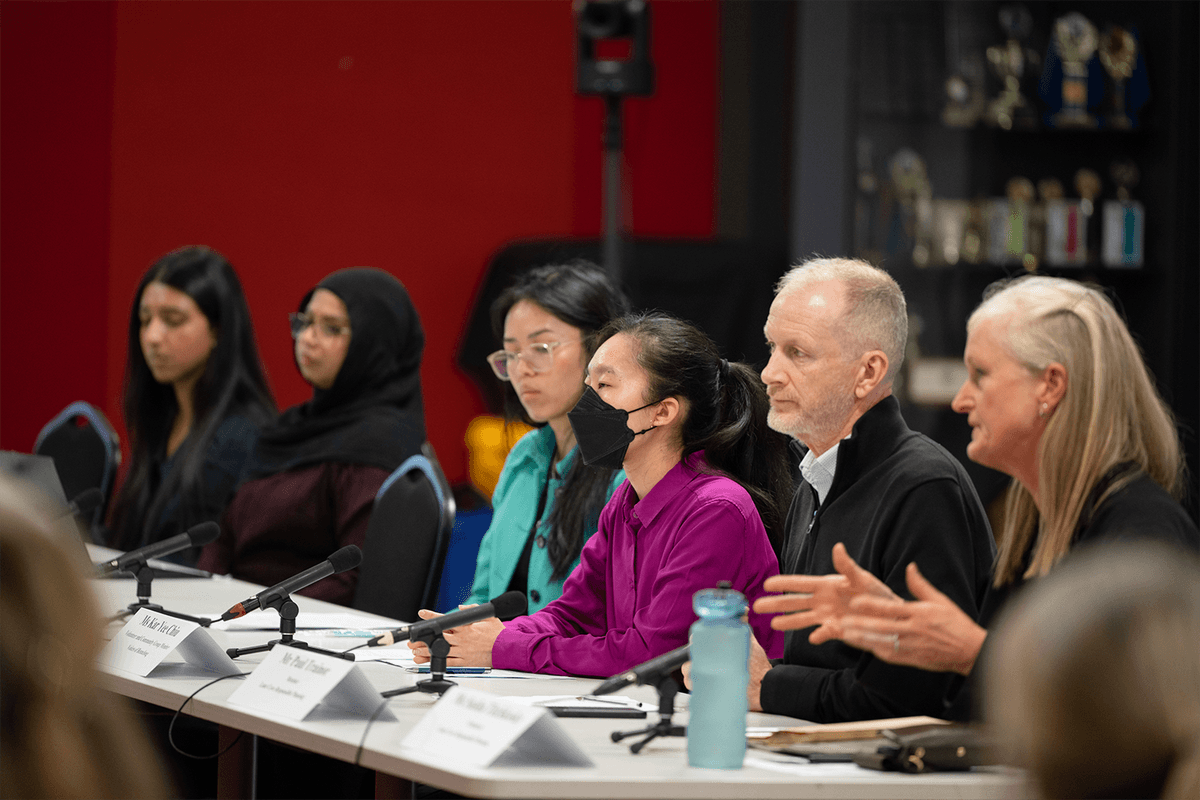
Megan Spindler-Smith, Acting CEO of People with Disability Australia (PWDA), Sophie Cusworth, Chief Executive of Women With Disabilities Australia (WWDA) and Dr Martin Laverty, Chief Executive of Aruma, addressed the National Press Club on Monday, speaking about the proposed reforms to the NDIS.
The Australia Institute’s Chief Political Analyst Amy Remeikis covered the address as it happened, but it’s worth reiterating some points.
Megan Spindler-Smith highlighted – as The Australia Institute often does – that budgets are about choices. These NDIS reforms are a choice, not an inevitability. She said the National Disability Insurance Scheme Amendment (Securing the NDIS for Future Generations) Bill 2026 “makes people with disability pay the price for a choice the Government did not have to make”.
She’s right – Australia Institute research shows that a 25% tax on gas exports could fund the NDIS cuts. And, as Amy put it in April, “It’s never the time to consider having the fossil fuel industry pay for itself, but it’s never not the time to have Australians pay the price”.
Sophie Cusworth noted that women will be disproportionately impacted by the changes, especially those facing domestic and family violence. There are three immediate risks that WWDA have identified:
- People may lose access before any alternatives exist.
- Costs and care will shift onto families, especially women.
- Future rules, tools and evidence settings may reproduce existing gender bias.
Australia Institute research shows that medical misogyny – where systemic, conscious, or unconscious gender biases affect how a patient is treated by the healthcare system – can create significant gendered imbalances in healthcare. That will be exacerbated by these changes, according to WWDA.
Dr Laverty called for an independent national inspector-general to oversee the NDIS and called out the “fictitious fraud” that dominates the debate.
Dr Laverty also, perhaps optimistically, claimed that it is better for a sympathetic government to change the NDIS than it would be for an unsympathetic one to do so.
Except, a supposedly “sympathetic” government plans to give the health minister power to use regulations to “to reset funding for groups of supports like social, community and civic participation and capacity building”. That provision means that any future health minister could cut funding in those streams by up to 99%, without the need for legislation to be passed through Parliament.
Greg Jericho, Chief Economist at The Australia Institute, wrote about the cruelty of that in early June.
These cuts will have an enormous impact on NDIS recipients, regardless of whether the government is sympathetic or not. But a truly sympathetic government could consider listening to those who will be impacted. And as advocacy group Every Australian Counts has said:
People with disability have raised the alarm. Disability organisations have raised the alarm. The Parliamentary Joint Committee on Human Rights has raised serious concerns. Now the Australian Human Rights Commission has reached the same conclusion. The Government should pause this Bill, work with the disability community and get these reforms right.
Instead, as PWDA noted, the government is asking the disability community to trust its good intentions.
Intentions don’t bind future governments.
The NDIS provides reasonable and necessary supports to people with disability so that they can live everyday life – to get out of bed, go to work, eat, breathe and be part of our communities.
These proposed cuts are neither reasonable nor necessary.