In the May budget, the Albanese government proposed some truly brutal cuts to the NDIS totalling around $36.2bn over the next 4 years.
Expenditure on the NDIS is projected to fall by 1% from 2026-27 to 2028-29, before slightly rising in 2029-30, rather than increasing by 15% as was the case in the 2025-26 budget.
But this rather understates it all. After all, it still lets the government claim that NDIS funding is increasing:
But when we take into account the increasing size of the economy, inflation and population growth, things look rather more shocking.
Rather than “NDIS payments will continue to grow each year” as the Budget Papers state, NDIS is funding is set to fall 12% from 2026-27 levels to 2029-30:
Using the output tables of the National Accounts, we estimate the size of the cuts in 2029-30 which are $16.4bn is equivalent to around 94 million hours of paid work in the residential care and social assistance services sector – or 51,641 full-time equivalent jobs. Care work that will now need to be done by someone else – most likely family members.
So, why are these cuts happening?
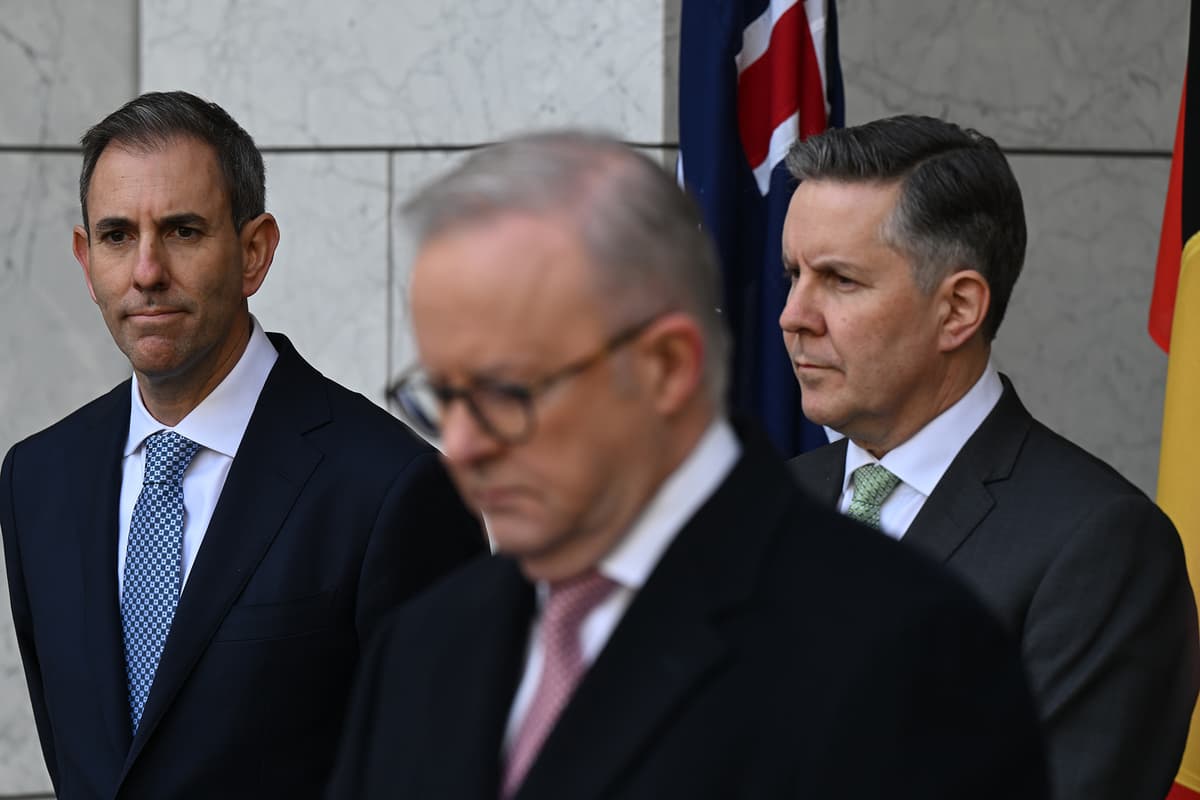
A big reason why is that the government wants us to believe the current level of funding is “not sustainable”. As Mark Butler told the National Press Club in April:
Unless we take action to make it sustainable, it simply will not be there in the future for the Australians who need it most.
The explanatory memorandum of the legislation outlining the cuts states:
Financial sustainability means ensuring the Scheme can keep funding NDIS supports now and into the future without growing beyond what governments can sustainably fund. This means funding for some NDIS supports may be less than the actual cost of providing or acquiring the support, while still being reasonable and necessary.
But the thing is, the government has decided that “sustainable” means not changing anything on the tax or revenue side of the budget. They want us to believe that the government can only cut spending; it can’t change how they tax.
Well, we know from the May budget that the government can change the tax side of things to raise more tax, as they have with the changes to capital gains tax, negative gearing, and discretionary trusts.
And we know there is a ready solution at hand.
A 25% tax on gas exports would raise $17bn a year – or $68bn over the next 4 years.
Surely helping Australians with a disability is more worthy than ensuring gas company profits remain fat?
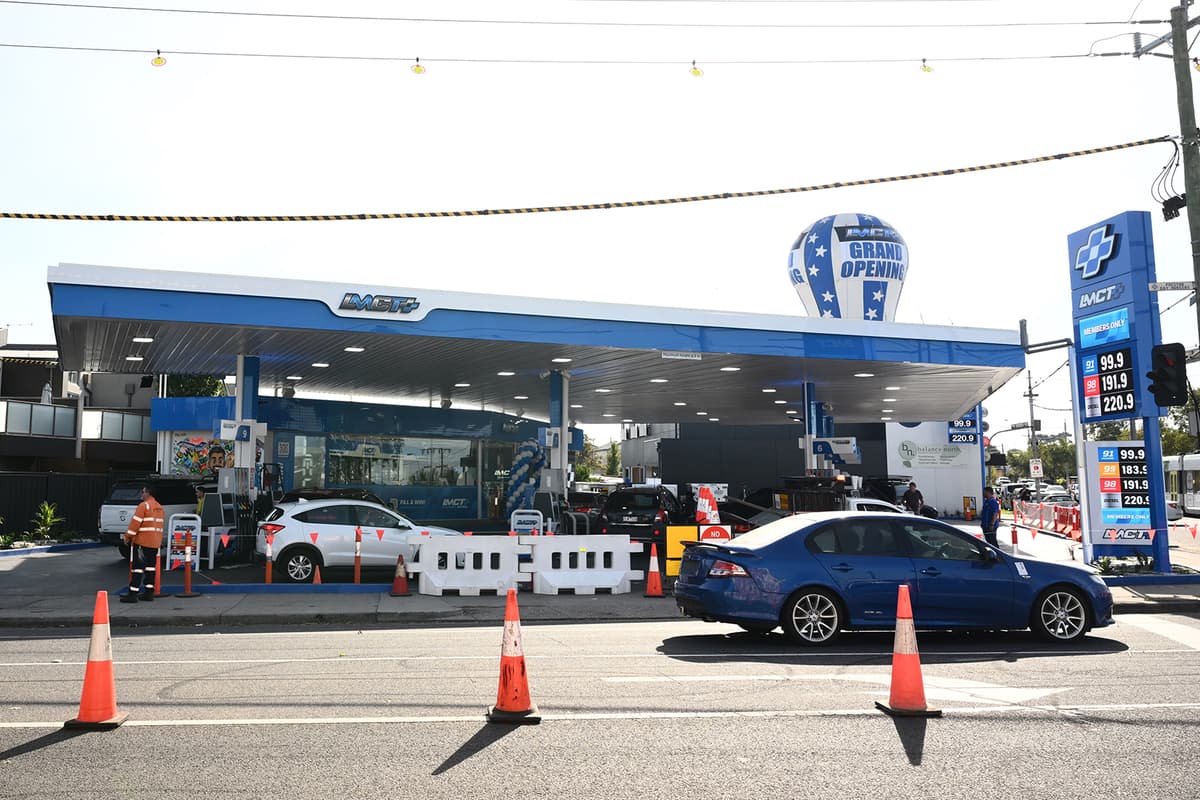
The Budget also estimates that over the next 4 years it will provide $47bn in fuel tax credits. Of that, around $22bn will go to mining companies. That is equivalent to 61% of the cuts in the NDIS
The government has in effect chosen to protect the profits of mining and gas companies over delivering proper support to some of the most disadvantaged and vulnerable Australians.
Mark Butler in his speech suggested that “The NDIS is a statement of our national values, it’s a measure of our national character.”
I agree. Unfortunately, these cuts and the lack of taxation of gas companies do not say much for our national character or values.