Australia is sitting on a brutal contradiction. We say we want a strong economy, lower emissions, secure jobs and a future for our children. Yet we continue to export enormous volumes of gas, collect too little public value from it, and then argue about whether we can afford to rebuild our manufacturing base, modernise training, or bring down industrial power prices.

Thu 12 Mar 2026 00.00
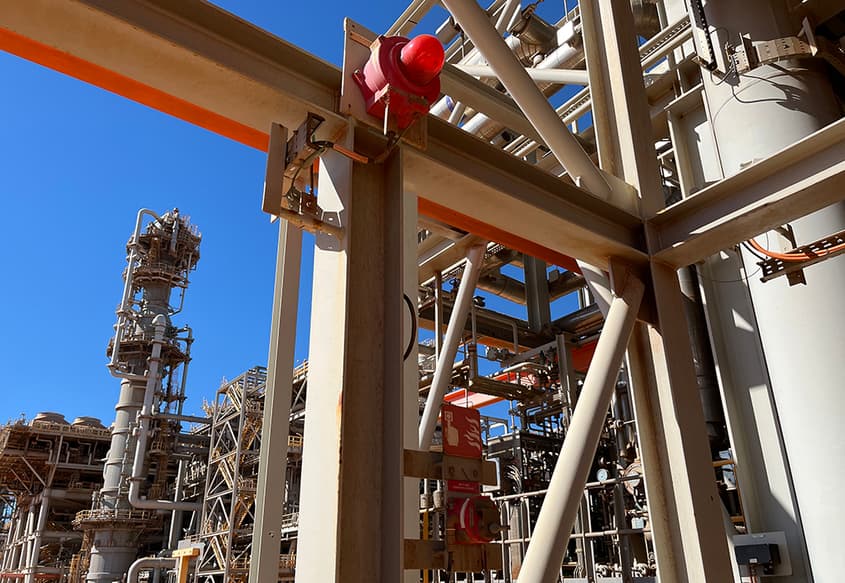
Photo: Chevron Australia's Barrow Island LNG plant produces gas for export and domestic supply. (AAP Image/Marion Rae)


Australia is sitting on a brutal contradiction.
We say we want a strong economy, lower emissions, secure jobs and a future for our children. Yet we continue to export enormous volumes of gas, collect too little public value from it, and then argue about whether we can afford to rebuild our manufacturing base, modernise training, or bring down industrial power prices.
If a 25% tax on gas exports gives us $17 billion a year to invest, then the real question is not whether we can afford to act. It’s whether we can afford not to.
Because this is not just about tax. It is about national purpose.
Australia needs a clear strategic objective: to become a green manufacturing hub. Not a slogan. Not a ministerial soundbite. A real national mission, backed by real investment, real policy discipline and real industrial ambition.
What does that mean in practice?
It means we stop behaving like a country that digs things up, ships them offshore, and then wonders why the jobs, technology and long-term wealth end up somewhere else. It means we use today’s fossil fuel revenue to build tomorrow’s sustainable industries. It means we turn a temporary windfall into permanent national capability.
That should be the test for every dollar.
The first priority should be green steel and green metals.
Australia has the ingredients to become a serious producer of low-emissions steel. We have the ore. We have the magnetite. We have the industrial capability. We have the engineering knowledge. What we have lacked is the political will and strategic investment to make it happen at scale.
If we are serious about cutting emissions and serious about sovereign capability, then green steel is not optional. Steel sits at the centre of everything: construction, defence, transport, infrastructure, energy. We cannot talk about a resilient, modern industrial economy if we remain dependent on importing higher-value products while exporting raw inputs.
We need to invest in the infrastructure, technology and industrial ecosystems that allow green steel manufacturing to take root in Australia and stay here.
The second priority is to build sovereign capability for the clean energy economy itself. Australia should be able to manufacture wind towers, transmission towers, transformers, batteries, solar technologies and the heavy fabricated components required for the energy transition. Not all of it. Not overnight. But far more than we do now.
This is not about trying to out-China China by copying the cheapest model. It is about doing what Australia does best: high-quality, advanced, innovative manufacturing. We helped pioneer solar technology. We should be investing in the next generation of it, not just importing finished products and congratulating ourselves for installing them.
This requires targeted support for research and development, commercialisation, modern fabrication capability and advanced manufacturing methods. It means using government investment to incentivise private capital. It means giving Australian manufacturers the confidence to expand, automate intelligently, and build at scale.
The third priority is simple, but fundamental: make clean electricity cheap.
If Australia wants to process more of what it digs up, it must give industry a compelling reason to do that processing here. One of the best reasons in the world would be access to reliable, low-cost, clean electricity.
We used to have a powerful competitive advantage in energy. We should aim to have one again, but this time built on renewables, storage, transmission and smart industrial policy.
This matters for two reasons. First, major processing industries need competitive power to survive and grow. Second, if we want manufacturing to be environmentally sustainable, we must make sure it is powered in the most sustainable way possible.
A nation with abundant sun, wind, minerals and engineering talent should not be struggling to imagine itself as a clean industrial powerhouse. That should be the plan.
The fourth priority must be training; on a scale far bigger than we are currently contemplating.
We need industry-connected training in schools. We need a massive uplift in trade training across every state and territory. We need modernised facilities, better support for trainers, stronger apprenticeship pathways and a far more serious national conversation about technical skills.
Why? Because the workforce our children will enter will be very different to the one many of us entered.
AI, automation and digital systems will reshape work across the economy. Some jobs will disappear. Others will change beyond recognition. But there will still be one enduring truth: a country cannot build, maintain, repair or manufacture the things it depends on without skilled people.
There is no future in which Australia thrives by outsourcing capability and hoping service-sector work will fill the gap forever. We cannot build sovereign industry without welders, fabricators, electricians, engineers, coders, technicians and advanced tradespeople. And we cannot produce them at scale without investing now.
That is why this debate matters so much.
A gas export tax should not disappear into the general churn of government spending. It should be tied to a long-term nation-building agenda: green steel, sovereign manufacturing capability, cheap clean industrial power, and the skills pipeline to sustain it.
This is about creating meaningful work for the next generation. It is about making sure Australia still knows how to build things, process things and invent things when the export booms move on. It is about using the wealth we generate today to create the industries that will still matter tomorrow.
Because sooner or later, the question will come from our children: what did you do with it? Did you use the gas windfall to build a stronger, cleaner, more self-reliant Australia? Or did you let it slip away, and leave the next generation to inherit the consequences?
We should tax the gas, and we should use the proceeds to build our future.
Because if we don’t build it here, we will buy it from somewhere else, and spend the next generation wondering where all the good jobs went.
Geoff Crittenden is the CEO of Weld Australia, the peak body representing the welding industry in Australia
By simply diverting uncontracted gas to the domestic market before it is exported, and putting a 25% tax on the contracted export gas to bring some much needed revenue back to Australians, it would also reveal something the gas industry rarely acknowledges: Australia does not have a gas shortage problem. It has a gas export problem.

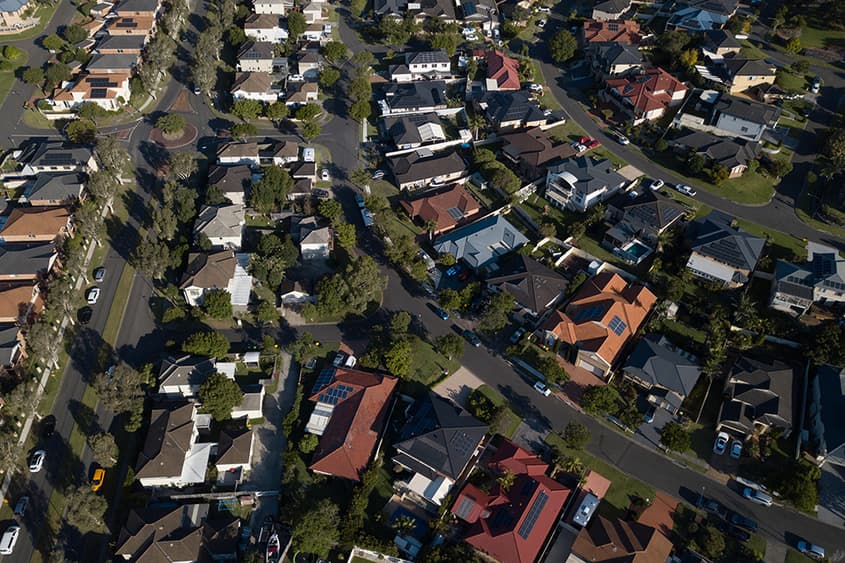
The Bureau of Statistics has released the latest figures on Dwelling Prices. As was expected, the last three months of 2025 saw a pretty sizeable jump in house and apartment prices off the back of the government’s 5% deposit guarantee.
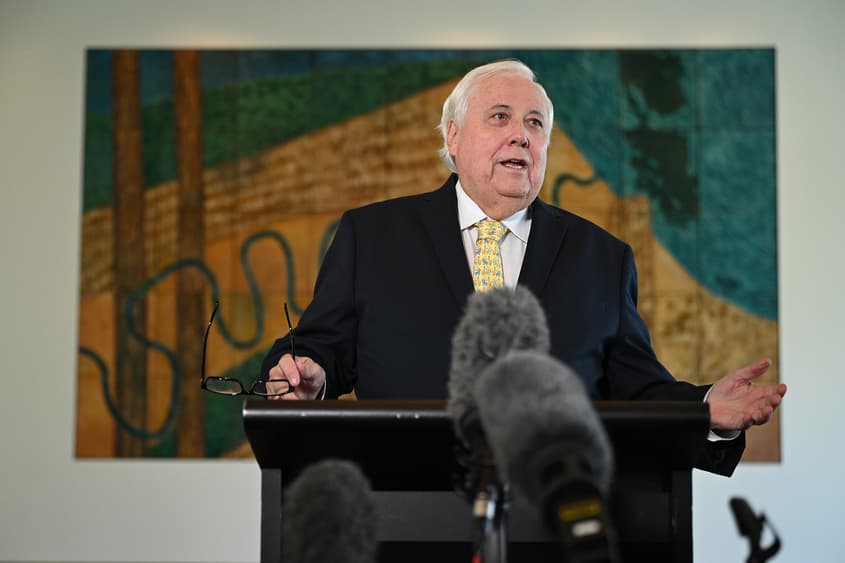
Clive Palmer and his United Australia Party have joined a growing chorus of voices calling for a 25% tax on Australian gas exports, saying “We need Australian gas for Australians, not sent offshore to benefit other countries.”