The Minns Government is facing renewed calls to urgently impose a moratorium on floodplain harvesting after significant October rain in northwest New South Wales.
Mon 26 Oct 2026 12.15 AEDT
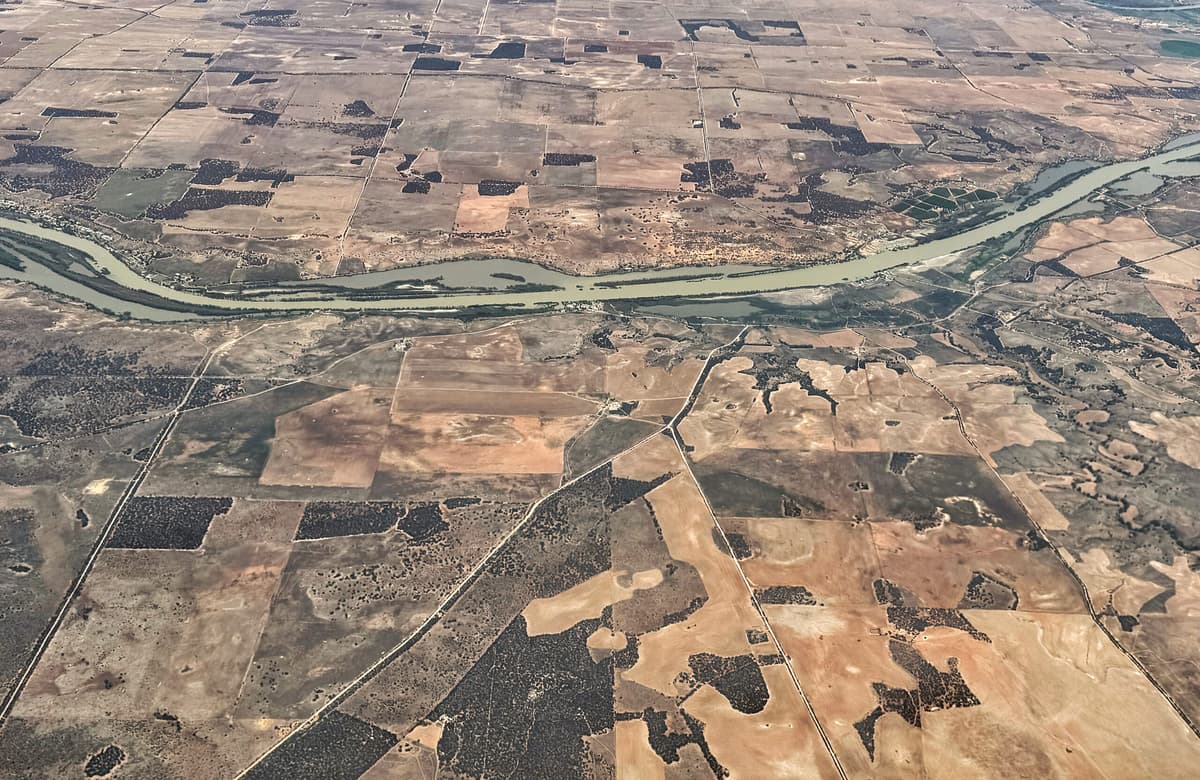
Photo: AAP Image/Dave Hunt


The Minns Government is facing renewed calls to urgently impose a moratorium on floodplain harvesting after significant October rain in northwest New South Wales.
With flows along the Barwon River and its northern tributary rivers, the Nature Conservation Council NSW (NCC) has warned the water could become a “bonanza” for big irrigators unless the government intervenes to stop the diversion of “huge volumes” of floodwater.
“The minister said she would not act to ban floodplain harvesting because of dry conditions – well that excuse has now expired,” said NCC Inland Rivers Community Organiser Mel Gray.
Floodplain harvesting involves irrigators using levees and embankments to divert water flowing across floodplains and into purpose-built storage dams.
Environmental groups warn the practice can deprive downstream rivers and wetlands of vital water before summer.
The renewed calls come after the state’s Natural Resources Access Regulator (NRAR) acknowledged that legal challenges to floodplain harvesting licences had created uncertainty that complicated enforcement.
In August, under questioning from NSW Greens Water Spokesperson Cate Faehrmann, NRAR executives explained that they could not enforce compliance with floodplain harvesting laws and regulations. They complained that existing legislation did not match the policy intent of protecting floodwater from extraction by large cotton irrigators.
Water Minister Rose Jackson said at the time that the NSW Government would change regulations to correct this; however, no amendments have been made or proposed to date.
In a letter to NCC, dated 29 September 2026, Minister Jackson wrote that, “given current climatic conditions and long-range forecasts, opportunities for floodplain harvesting are expected to be limited in the foreseeable future”.
“Today the floodplains of the Barwon are carrying water that the rivers, wetlands and downstream communities of the Darling/Baaka River desperately need, ahead of what promises to be a hot summer,” said Ms Gray.
Quality research, analysis, explainers and factchecks from experts you can trust.
“But this is also the same water thirsty cotton crops will be wanting to boost the profits of big corporates.”
Environmental organisations and some farming groups have long called for tougher regulation or an outright ban, arguing floodplain harvesting is inadequately measured and accounted for across the Murray Darling Basin.
“The NSW Government has the opportunity to stop the huge diversion of floodwater with terrible ecological, social and economic consequences,” said Rod Campbell, research director at the Australia Institute.
“Diverting water beyond the limits in the Basin Plan has contributed to the fish kills and towns without water that we’ve seen in recent years.”
“Australia Institute research shows that reducing floodplain harvesting for cotton exports is likely to increase employment across the Murray Darling Basin, as more water can be used for food production in regions where food processing is a big employer.”
There are currently restrictions on most floodplain harvesting licences because of dry conditions and low water levels at Menindee Lakes.
However, the NCC warns that exceptions to restrictions still allow large volumes of water to be pumped from off-river pools such as anabranches.
“Healthy rivers, thriving wetlands, downstream communities and Aboriginal cultural values depend on a water management system that is lawful, accountable, enforceable and worthy of public trust,” said Ms Gray.
“Right now, the government is asking us to trust a system its own regulator says it cannot fully enforce. Until they can prove the system works, floodplain harvesting should be banned.”

