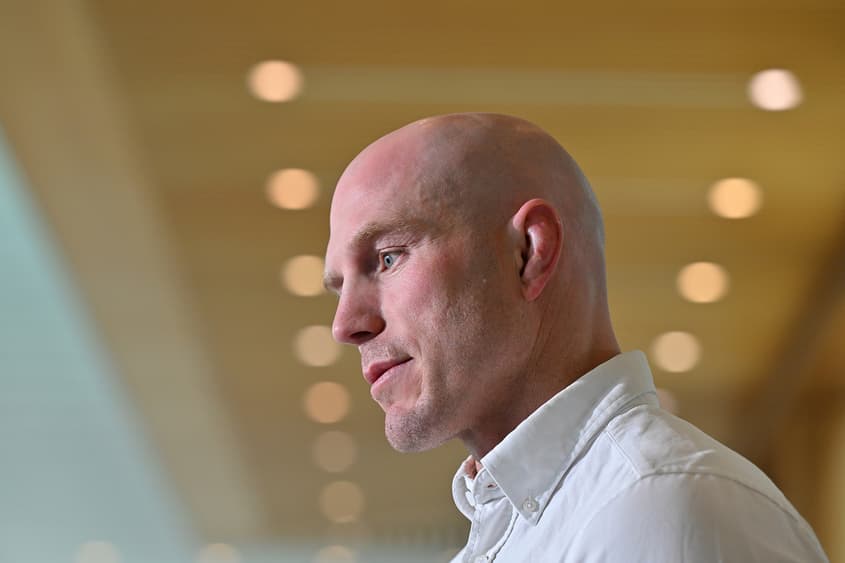
The economy grew more slowly than expected. In the September 2025 quarter economic growth was 0.4%, below forecasts of 0.7%. Growth over the last year was 2.1%.
Wed 3 Dec 2025 13.00

Photo: AAP Image/Darren England


The economy grew more slowly than expected. In the September 2025 quarter economic growth was 0.4%, below forecasts of 0.7%. Growth over the last year was 2.1%.
This matched the growth in population which meant that GDP per person was flat.
Growth was driven by household consumption and private investment. Household consumption was driven by spending on essentials like insurance, electricity, and health. This highlights that while consumption might be up, households are restricting much of their spending to the essentials.
Private investment was stronger than it has been since 2022. This was driven by investment in new data centres to support AI and cloud computing. Investment in building new houses was also strong as the property market heats up after three interest rate cuts this year.
The biggest detractor from growth came from businesses selling down their inventory stock, mainly from the mining sector and retail trade.
One bright spot was the increase in productivity which increased 0.2% for the quarter and 0.8% for the year. But productivity is a long-term issue, and people shouldn’t draw too many conclusions from quarter to quarter and year to year changes.
The disappointing rate of growth means that interest rates are less likely to increase and gives some hope to the idea that they may be cut next year. If economic growth is slow then the Reserve Bank will be less worried that the economy is about to roar to life and increase inflation.
These figures show that the economy is continuing to grow slowly. Consumers are cautious after facing recent large cost of living pressures driven by rapid increases in the cost of housing. While the increase in private investment is welcome, it is mainly being driven by two areas that could be experiencing a financial bubble, AI and housing.
This also highlights that the economy is likely to continue to require support. This is not the time for the Reserve Bank to increase interest rates, or the Federal Government to slash spending.
A fresh political battle is brewing over how Australia should fix the housing crisis, with Shadow Treasurer Tim Wilson arguing against changes to the capital gains tax (CGT) despite criticising the scheme in the past.
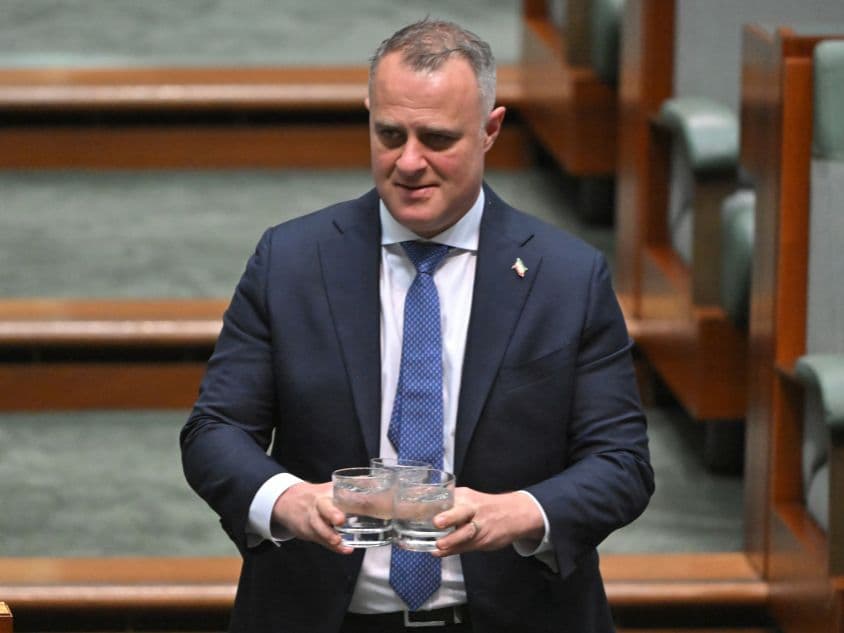
The health of the economy was revealed this week with the release of economic growth figures showing the economy grew at a better-than-expected rate of 2.6% for 2025. This compared to the forecast of just 2.2%.
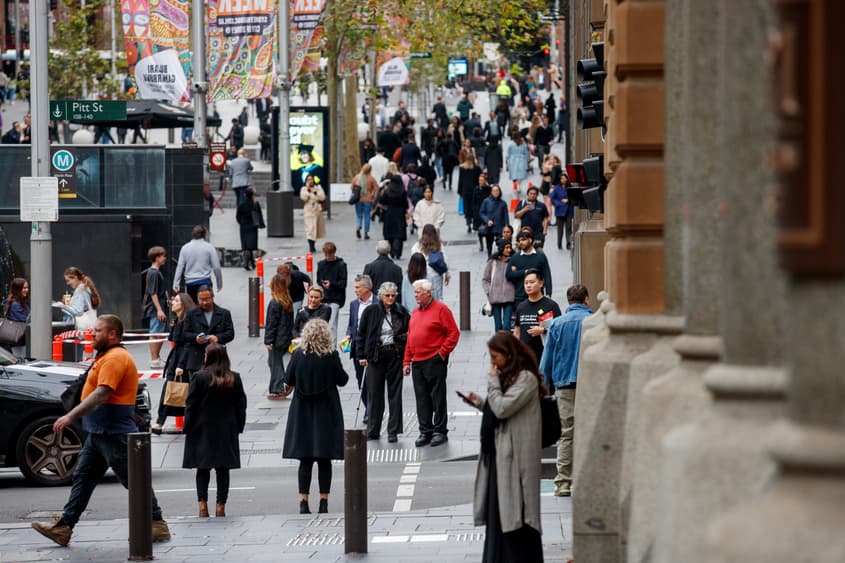
The Workplace Gender Equality Agency (WGEA) has released their gender pay gap data today and while we took a tiny step closer to pay equity, men are still almost twice as likely to be in the highest earning quartile – earning more than $220,000.
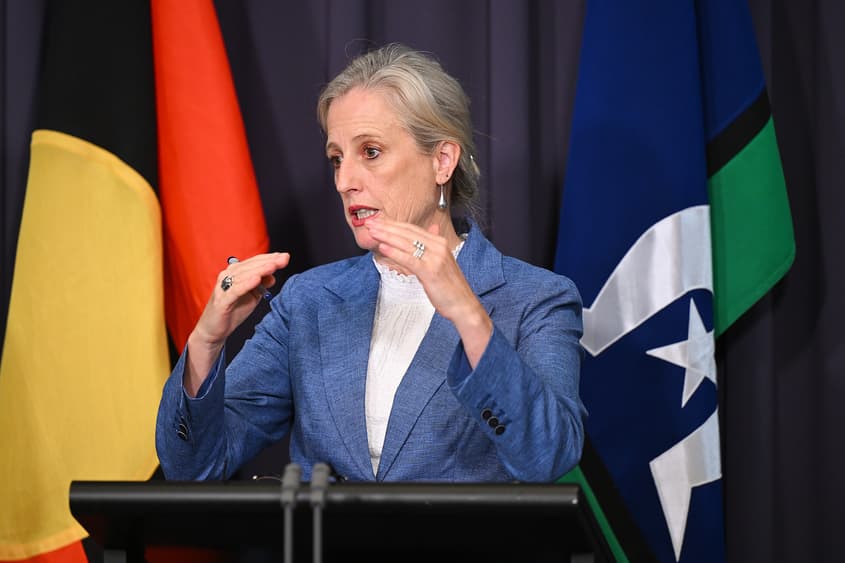
Independent Senator for the ACT David Pocock has called for an inquiry into why gas companies pay less for gas exports than Australians pay in the beer excise.