Latest ABS data shows the economy is weaker than expected. Hopefully this will kill off talks of budget cuts and higher interest rates. Otherwise, the Australian economy could be in for a bumpy ride.
Thu 4 Dec 2025 00.00
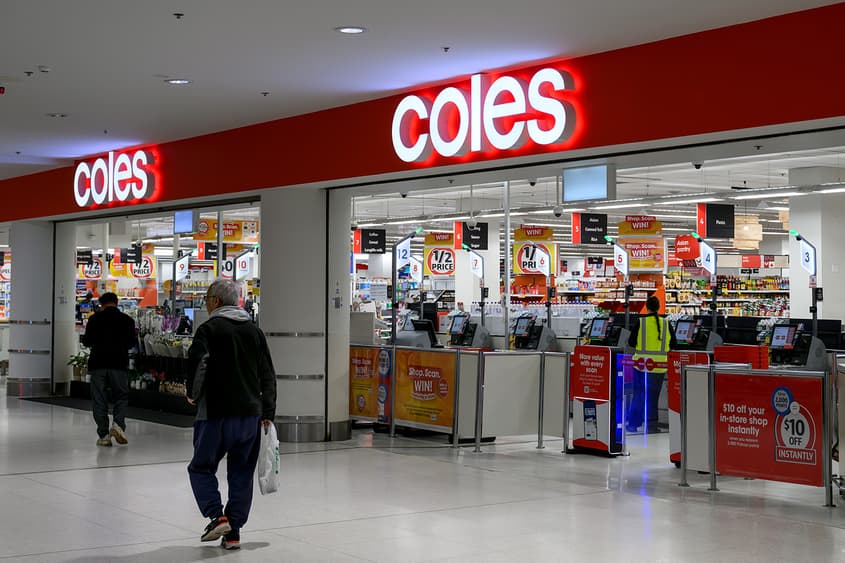
Photo: AAP Image/Steven Markham


Latest ABS data shows the economy is weaker than expected. Hopefully this will kill off talks of budget cuts and higher interest rates. Otherwise, the Australian economy could be in for a bumpy ride.
In the lead up to the latest release of the GDP figures, the talk was the economy had turned a corner. It was believed that the unexpectedly high inflation numbers were evidence the economy was coming back to life, led by householders who were ready to start spending again. Economic growth was expected to be a healthy 0.7%
But the latest economic growth figures should give everyone pause for thought. Coming in at a much weaker 0.4% for the September quarter, it was well down on expectations. The annual growth rate was a rather sad 2.1%.
Economic growth is slowly graining momentum, quarter by quarter, but it would be better described as crawling faster rather than a brisk walk. As the graph below shows growth has picked up but from a very weak position.
The two big drivers of growth were household spending and private investment. On the surface this appears great news. Stronger household spending might signal more optimistic consumers, an essential ingredient for any recovery. And more private investment is great news after years of business refusing to invest.
But a closer look paints a less rosy picture.
The increase in household spending was dominated by spending on essentials. Electricity, insurance, rent, health, and food. Not the kind of areas that show households are full of confidence and ready to open their wallets. It is more a sign that they are just starting to get their heads above water.
Private investment grew 2.9%, the highest quarterly growth rate since March 2021. The increase in private investment was mainly in two areas. Residential housing and data centres.
Residential housing is good news. Building more housing will help make it more affordable. Recent ABS data on the number of dwellings shows that in the September quarter the number of dwellings increased +0.5%, which is faster than the population at +0.4%.
This continues the long-term trend of dwellings outpacing population. Over the last 10 years the population has increased 16% but the number of dwellings has increased 19%.
The other area of investment that is booming is ‘other information and media services.’ This is a usually obscure area that is suddenly seeing more investment because it includes data centres for AI and cloud computing.
But all the talk is that AI is experiencing a bubble. Across the world, huge amounts of money are being shovelled into data centres. If this is indeed a bubble and it bursts, this investment might be far less productive than people think.
These data centres are also sponges for electricity. This is a problem because new renewable energy projects are not rolling out as fast as they are needed. More data centres mean more demand for electricity. Without more supply, this will lead to higher electricity prices.
So, even these weak GDP figures are not as strong as they first appear.
Worse still, all this comes when the discussion about the main tools the government has for economic management have turned to restricting the economy.
The first tool is monetary policy, which is the Reserve Bank increasing or decreasing interest rates. The recent higher than expected inflation rate has convinced some people that further interest rate cuts are unlikely, and the next rate change might be up.
These lacklustre economic growth figures will probably reduce the chance of any interest rate increase. Hopefully that is true because higher interest rates would be disastrous for the economy.
The second tool is fiscal policy, which is the government’s spending and taxing. As we get closer to the new year, there is talk about the next budget in May. And that talk so far has been about cuts.
Pushing the budget back to surplus will slow the economy down. The latest GDP figures show government spending and investment added 0.4% to economic growth this quarter. Since quarterly growth was 0.4%, that means without the increase in government spending the economy wouldn’t have grown at all.
Last month Finance Minister Katy Gallagher reportedly asked public service bosses to find savings in their budgets of up to 5%. This is not a good sign.
The Albanese Labor Government needs to remember that the obsession with budget surpluses largely only happens in Australia. Other countries are far less worried about running surpluses. Bill Clinton was the last US president to run a budget surplus. Tony Blair was the last UK Prime Minister to run one.
The average Australian is more concerned about employment and wages growth than whether the budget is in deficit or surplus. The public gave Labor little credit for it’s two first term surpluses and if they crash the economy trying to run another one, they will pay a high political price.
The best trick the opposition could pull is goading the government into pushing too hard for a surplus that crashes the economy and increases unemployment.
The Labor party has a historic high number of seats in parliament. But that could quickly change and weakening the economy and pushing up unemployment is the fastest route to the opposition benches.
A close examination of the latest GDP figures shows the economy is weaker than it appears. Now is not the time for the Government or the Reserve Bank to slam on the brakes.
Advertisement
A fresh political battle is brewing over how Australia should fix the housing crisis, with Shadow Treasurer Tim Wilson arguing against changes to the capital gains tax (CGT) despite criticising the scheme in the past.
The health of the economy was revealed this week with the release of economic growth figures showing the economy grew at a better-than-expected rate of 2.6% for 2025. This compared to the forecast of just 2.2%.
The Workplace Gender Equality Agency (WGEA) has released their gender pay gap data today and while we took a tiny step closer to pay equity, men are still almost twice as likely to be in the highest earning quartile – earning more than $220,000.
Independent Senator for the ACT David Pocock has called for an inquiry into why gas companies pay less for gas exports than Australians pay in the beer excise.