In a decision that surprised no one, the RBA board left rates on hold in their last meeting of the year. The market’s expectations about what might happen to interest rates next year have been swinging around wildly in recent months. It has shifted from thinking there will be several cuts to now predicting increases.
Tue 9 Dec 2025 14.35
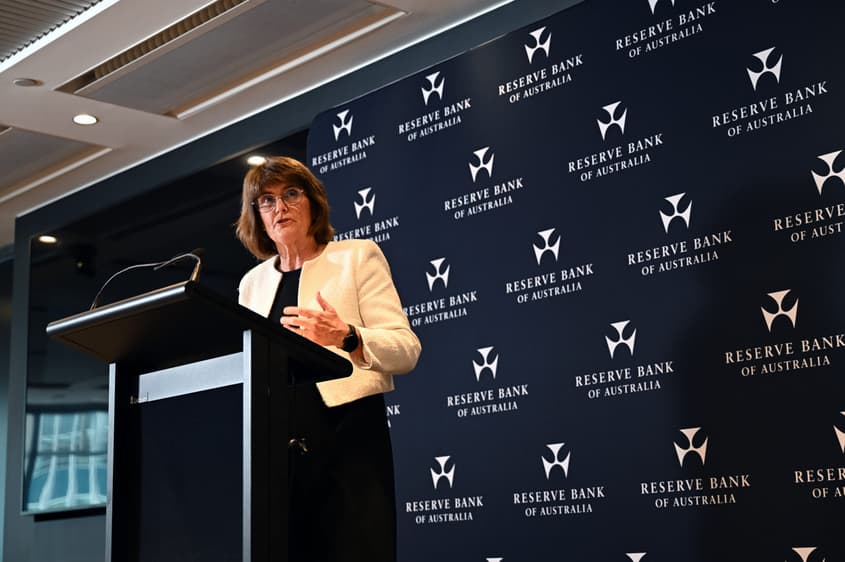
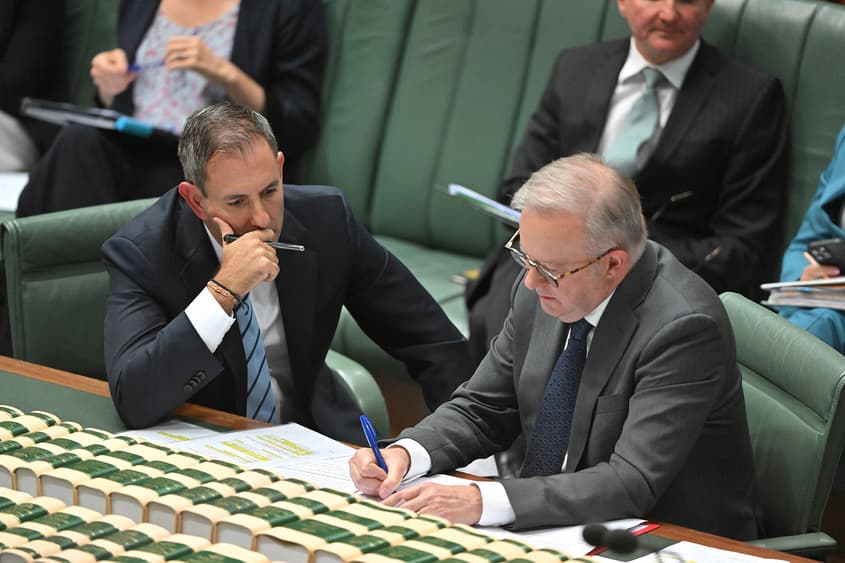
Photo: AAP Image/Steven Saphore


In a decision that surprised no one, the RBA board left rates on hold in their last meeting of the year.
The market’s expectations about what might happen to interest rates next year have been swinging around wildly in recent months. It has shifted from thinking there will be several cuts to now predicting increases.
What this highlights is that no one really knows what is going to happen.
Market predictions of rates are very similar to AI chat bots, they sound confident, until they suddenly reverse course. Don’t be fooled just because they sound like they know what they’re talking about.
So, what is going on?
The new, and possibly less reliable, monthly measure of inflation showed an uptick in inflation. This pushed inflation to 3.8%, outside the RBA’s target band of 2% to 3%. The one tool that the RBA has to get inflation down is by lifting interest rates.
The increase in inflation was driven by the ending of state government subsidies for electricity.
The market has jumped at this, assuming the higher inflation rate must lead to higher interest rates. But we should be more cautious.
The causes of higher inflation seem to be temporary. In its decision to keep interest rates on hold, the RBA said “The Board’s judgement is that some of the recent increase in underlying inflation was due to temporary factors and there is uncertainty about how much signal to take from the monthly CPI data given it is a new data series.”
If this is the case the RBA won’t want to crash the economy with higher rates, only to see inflation fall naturally. Remember the recent economic growth rates showed continued sluggish growth.
Inflation is the ongoing increase in prices. Economists and the RBA are less concerned about temporary increases.
Imagine a product goes up in price from $1 to $1.10 in January. It then stays at that new price of $1.10 for the rest of the year. The inflation rate in January is 10% (the increase from $1 to $1.10) but is 0% for the rest of the year, because it has stayed at the same price for all the other months.
If electricity prices see a big increase because state and federal government subsidies end, this is just a one-off increase. Yes, it increases inflation when the subsidy ends, but most people think that inflation will then fall back to more normal rates.
When it comes to changing interest rates the RBA is continuing to wait and see. Weak economic growth means any increase in interest rates could be disastrous.
Market predictions of future rates are likely to swing back and forth at every new release of data. All this really highlights is no one knows what is going to happen.
The gas industry is clearly worried that a vast majority of Australians believe there should be a 25% tax on gas exports. After decades of playing Australian governments for fools, the industry deserves to be worried that Australians and politicians across multiple parties have realised that Big Gas is taking the piss.
Advertisement
The Reserve Bank’s decision to raise interest rates this week was a double whammy for Australians struggling with petrol price increases in the past month that have already cost them more than the impact of the rate rise.
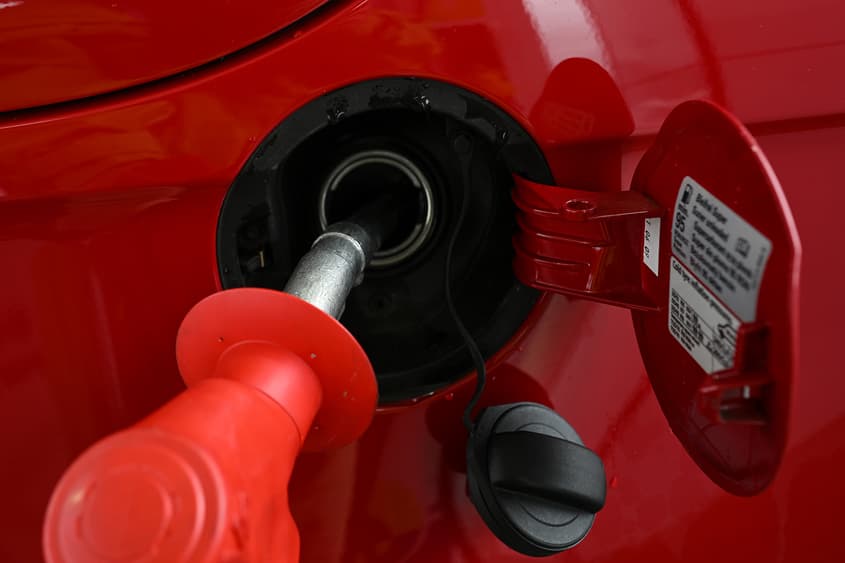
For years, the idea of properly taxing gas exports has been treated as politically untenable - something governments approached dismissively, if at all. But as global conflict pushes up energy prices and gas company profits surge, that dismissiveness is starting to look like negligence.