The RBA has done exactly as the markets expected and increased interest rates by 0.25%. This will put more pressure on those with a mortgage.
Tue 3 Feb 2026 16.00
Photo: AAP Image/Dean Lewins


The RBA has done exactly as the markets expected and increased interest rates by 0.25%. This will put more pressure on those with a mortgage.
After three interest rate cuts last year, the RBA have started this year off with an interest rate increase because they believe that inflation is too high. The December CPI numbers showed that annual inflation was 3.8%, above the RBA’s target of between 2% and 3%.
But as I wrote when the inflation figures came out, they are being driven by some one-off factors, the winding back of electricity subsidies, and a lot of noise in the data. The big jump in the month of December was driven almost entirely by the increase in prices for travel and accommodation.
The RBA acknowledged this but went on to say that private demand is growing more than expected. In justifying the increase, the board wrote:
“Growth in private demand has strengthened substantially more than expected, driven by both household spending and investment.”
Blaming private demand hurts the argument that some are pushing that this is all to do with government spending. But that argument has never really been about evidence and facts.
But blaming the increase in investment is interesting. According to recent ABS data, the increase in investment was driven by a massive increase in spending on electronic and communication equipment for data centres. Effectively the RBA is blaming the increase in demand, in part, on investment in artificial intelligence.
Those data centres are not just sucking up electricity and water, they are now also increasing interest rates.
The decision to increase interest rates is also at odds with how they approached last year’s decisions to cut rates. Last year they were very slow to cut, often delaying decisions to wait for more information.
But this year, at the first uptick in inflation, they have jumped at the opportunity to raise rates. Even when many of the factors that increased inflation were temporary.
Why the difference?
It comes down to the pros and cons for the RBA.
If they don’t increase interest rates and inflation is higher for a bit longer the markets will claim that the RBA was not serious about combating inflation. These criticisms will sting the Reserve Bank more than they should.
But if they have increased interest rates too quickly, the economy will slow, and unemployment will go up.
But for the RBA this is not a risk. They want unemployment to go up.
The RBA claims the unemployment rate is too low. The unemployment rate for December 2025 unexpectedly dropped from 4.3% to 4.1%. While this might sound like good news, the RBA firmly believes that unemployment needs to be much higher, around 4.5%.
The RBA believes that unemployment is unsustainably low. It believes that this will make it hard for businesses to hire workers, and they will be forced to increase wages to attract them. Higher wages will then lead to higher prices.
But unemployment has been below the RBA’s sustainable rate of 4.5% for four years and wages have not shot up. Clearly unemployment is not unsustainably low and higher unemployment will just create pointless misery.
This is a bad decision from the RBA. There was plenty of evidence against raising rates, but they pushed ahead anyway. Let’s hope the economy continues to be resilient. Otherwise we’re in for a bumpy ride.
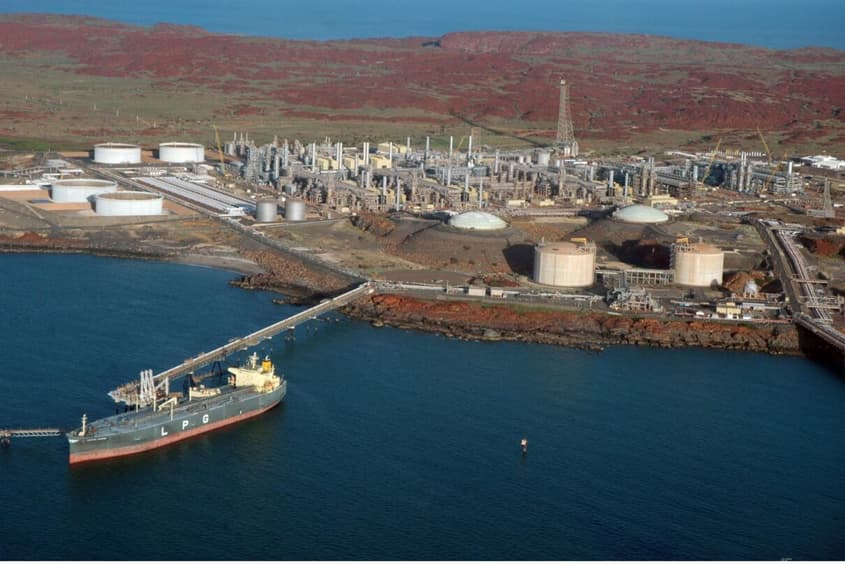
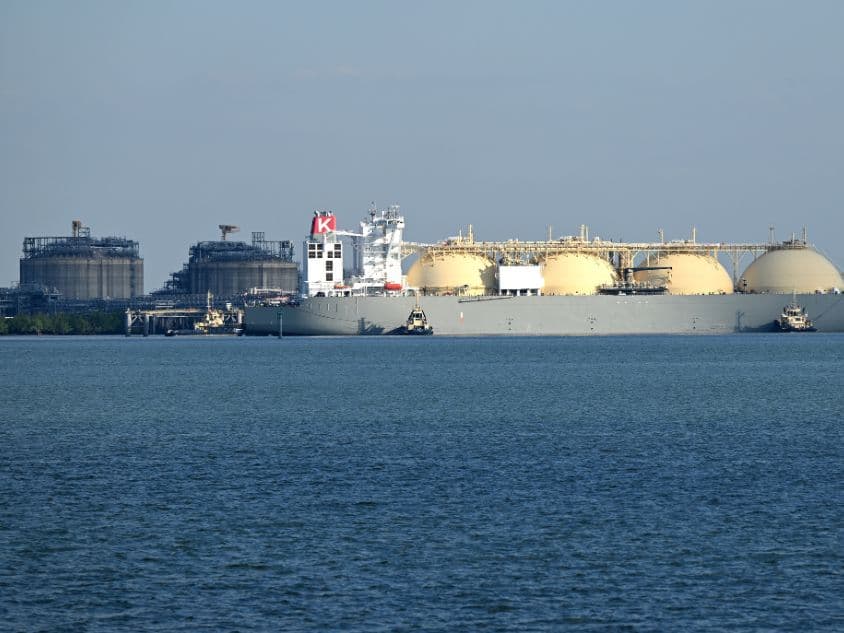
The gas industry is clearly worried that a vast majority of Australians believe there should be a 25% tax on gas exports. After decades of playing Australian governments for fools, the industry deserves to be worried that Australians and politicians across multiple parties have realised that Big Gas is taking the piss.
Advertisement

The Reserve Bank’s decision to raise interest rates this week was a double whammy for Australians struggling with petrol price increases in the past month that have already cost them more than the impact of the rate rise.
For years, the idea of properly taxing gas exports has been treated as politically untenable - something governments approached dismissively, if at all. But as global conflict pushes up energy prices and gas company profits surge, that dismissiveness is starting to look like negligence.