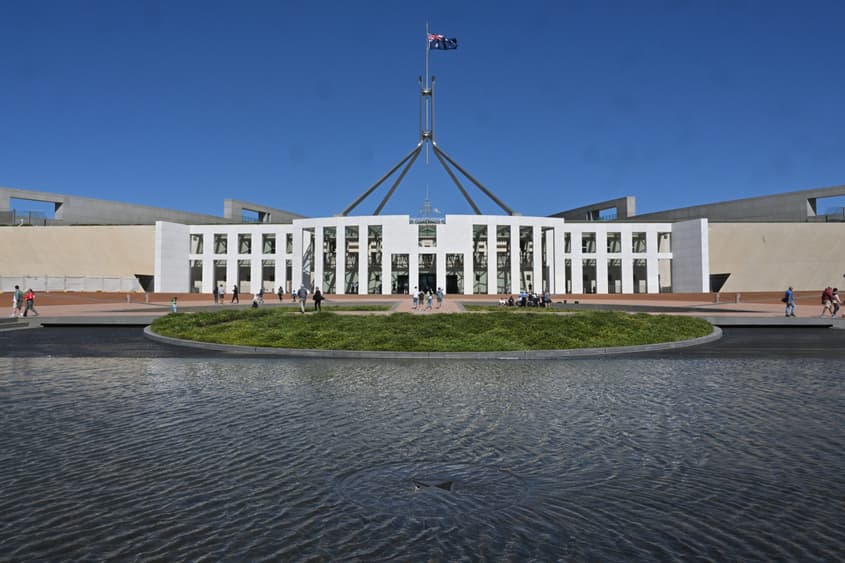
Advocates are urging the government to prioritise recommendations from the Robodebt Royal Commission, including transparency about how automated decisions are made.
Mon 2 Feb 2026 10.00

Photo: AAP Image/Mick Tsikas


The Albanese Government is being urged to fix the use of “shoddy” automation systems or risk the repeat of another “disgusting Robodebt saga”.
The Australian National Audit Office (ANAO) has revealed that Services Australia issued $5 billion in incorrect aged pension payments between 2022 and 2024, raising serious concerns about automated decision-making within the social security system.
“Accessing a social security system should not feel like a high-stakes game of roulette,” said Kate Allingham, CEO of Economic Justice Australia (EJA).
“There need to be rigorous checks and balances, given how easily these errors can place people into situations of extreme financial distress.”
She noted it was “lucky” in this instance that $3.67 billion of the incorrect payments represented overpayments, while underpayments totalled $1.33 billion.
The Australia Institute’s Senior Economist Matt Grudnoff said overpayments can be “as bad” as underpayments if they must be paid back.
“People can be presented with debt notices that can seem insurmountable,” he said.
“You would have thought that the government would have learnt from the disgusting Robodebt saga. But again and again we see the government going back to shoddy automation systems.”
In August 2025, the Commonwealth Ombudsman released a damning report on how automated government systems had unlawfully cancelled thousands of jobseekers’ income support payments between 2020 and 2024. According to EJA analysis, approximately 310,000 people had been subjected to incorrect payment cancellations as the result of failures of automated systems.
“These systems are intended to be a support for people,” said Ms Allingham.
“Instead, what we are seeing is people who are put in situations of great risk, through no fault of their own, simply by accessing the payments they are entitled to.”
The ANAO reported that due to complex procedures and limited staffing between 2021 to 2024, seniors were having to wait an average of 48 days for claims to be processed.
“The government has a duty of care to look after these people, and we can see from these automation scandals that they are failing to live up to that duty,” said Mr Grudnoff.
EJA is urging the government to prioritise recommendations from the Robodebt Royal Commission, including clearer legal frameworks, transparency about how automated decisions are made, and a clear path for those impacted to seek a review.
It’s also advocating for an independent oversight body to monitor the automated systems for fairness, bias, and usability.
Ms Allingham said EJA has raised serious concerns for years about automated systems within the social security system.
Those issues include the design and testing of systems, accuracy of decisions, questionable legality of some decisions, and the impact of these decisions on people in vulnerable circumstances.
“When there are automation issues within Services Australia, there are so many people it impacts,” said Ms Allingham.
“Moreso than in any other area, there need to be rigorous checks and balances, given how easily these errors can place people into situations of extreme financial distress.”
Behind the closed doors of a consultation room, or concealed by impenetrable medical jargon, wrongdoing in the healthcare sector impacts the lives of every Australian.
Advertisement

Independent MP Sophie Scamps has questioned Prime Minister Anthony Albanese about reports that he offered his Liberal–National Coalition rivals extra staff in exchange for their support for the Labor Government’s crackdown on freedom of information rights. To her credit, then Opposition Leader Sussan Ley turned him down on this offer.
The stereotypes of democratic decline are rigged elections or daily street chaos. However, Australia’s democratic decline is happening much more quietly, with weakening whistleblower protections and the steady expansion of laws over several years that have made protest riskier than ever.