The stereotypes of democratic decline are rigged elections or daily street chaos. However, Australia’s democratic decline is happening much more quietly, with weakening whistleblower protections and the steady expansion of laws over several years that have made protest riskier than ever.

Fri 6 Mar 2026 01.00
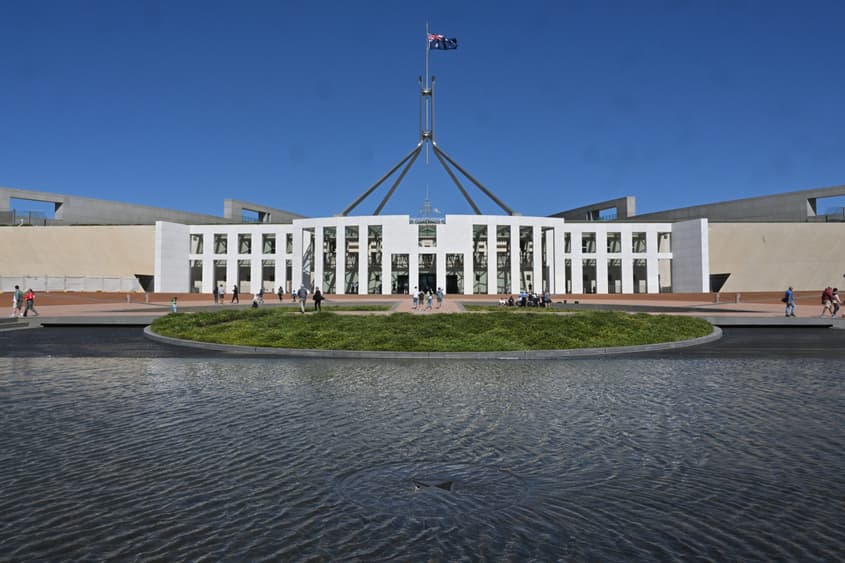
Photo: AAP Image/Mick Tsikas


The stereotypes of democratic decline are rigged elections or daily street chaos. However, Australia’s democratic decline is happening much more quietly, with weakening whistleblower protections and the steady expansion of laws over several years that have made protest riskier than ever.
For young people and future generations, there is discomfort with contemplating our future and the erosion of our democratic rights.
Released in early February, the 2025 Corruption Perceptions Index by Transparency International quantified Australia’s democratic decline. Australia’s score fell to 76 out of 100, down from a high of 85 in 2012, slipping from equal 10th to equal 12th globally.
A score of 76 still places Australia among relatively “clean” nations; however, the steady downward trend indicates a gradual erosion of trust in political integrity.
The report points to opaque political donations, government subsidies, and weak whistleblower protections as key contributors to this decline.
“When people can’t speak up or out, that is an indictment on our democracy,” said Regina Featherstone, a senior lawyer at the Human Rights Law Centre’s Whistleblower Project.
Whistleblowers, Featherstone says, expose “corruption, environment and harm to others.” Yet Australia’s current protections, she says, are not “fit for purpose and actively create a culture of secrecy in Australia.”
Echoing the importance of whistleblower protections for a strong democracy is RMIT Distinguished Professor Judith Bessant, who says that “Whistleblowing is not something most people actively seek or indeed want, but feel obligated to do.”
Professor Bessant also notes that “healthy workplaces, schools, communities and public sphere” require coercive tools, such as legally enforceable non-disclosure agreements, to be lawful only when requested by victims-survivors.
Of course, alongside Australia’s weak whistleblower protections, there has been a rise in anti-protest legislation.
Alongside concerns about transparency is the expansion of anti-protest legislation. Over the past two decades, 49 laws affecting protest rights have been introduced by federal, state, and territory parliaments, with New South Wales introducing the most.
Many of these laws increase penalties, broaden police powers, or target specific forms of disruptive protest, particularly climate activism.
This tightening of civic space was visible on 9 February 2026, when approximately 6,000 people attended a rally organised by the Palestine Action Group against a visit by Israeli President Isaac Herzog. Nine arrests were made, and footage circulated online showing clashes between police and demonstrators.
One attendee, Liv Heaton, described seeing “violent shoving” and protesters being blocked in with “nowhere to go.”
Heaton, who previously organised and attended the School Strike 4 Climate protests, also says she believes police “have gotten more aggressive.”
RMIT Professor of Social Policy and protest rights expert, Rob Watts, says the disruption of peaceful protests by liberal democratic states occurs while they attempt “to distinguish themselves from authoritarian regimes by claiming they are committed to liberal-democratic principles” as well as to international agreements guaranteeing the right to protest.
Watts notes that across liberal democracies, protests have been increasingly criminalised and that for climate protests, “Australia leads the world for the rate at which police arrest climate protestors” with 1 arrest at every five protests between 2012 and 2023.
As a former School Strike 4 Climate organiser, I have observed a marked difference in the number of police officers before and after the COVID-19 pandemic. It certainly feels that, despite the social distancing and lockdown measures ending, the increased police presence only continued.
The repression of young people’s voices during democratic decline
For young people, institutional spaces rarely value our voices. The voting age is 18, and as of 2026, the median age of Australian federal parliamentarians is 50-52 years, over a decade older than the median age of the Australian population.
Young people primarily use rallies and grassroots campaigns to voice their opinions. The increasing regulation of protest, along with the weakening of whistleblower protections, now stifles our avenues of accountability and will continue to do so as we transition into the workforce.
According to UniSA senior law lecturer Associate Professor Sarah Moulds, a resilient and equitable democracy requires recognising young people as citizens now, not just as future voters. That means embedding youth participation within institutions and decision-making forums, and valuing lived experience as a form of democratic knowledge.
Alongside valuing the voices of young people, strengthening our anti-corruption bodies, ensuring the disclosure of political donations, and continuing people power, these are essential to strengthening Australia’s democracy.
Without addressing our decline now, young people and future generations will find themselves in a country simply labelled a democracy, without the institutions and accountability mechanisms necessary to fulfil our democratic rights.
Varsha Yajman is a lawyer, writer and advocate discussing the intersection across topics like climate justice, mental health and race
Advertisement
Today, the Albanese Government pulled its “friendless” Freedom of Information Amendment Bill.
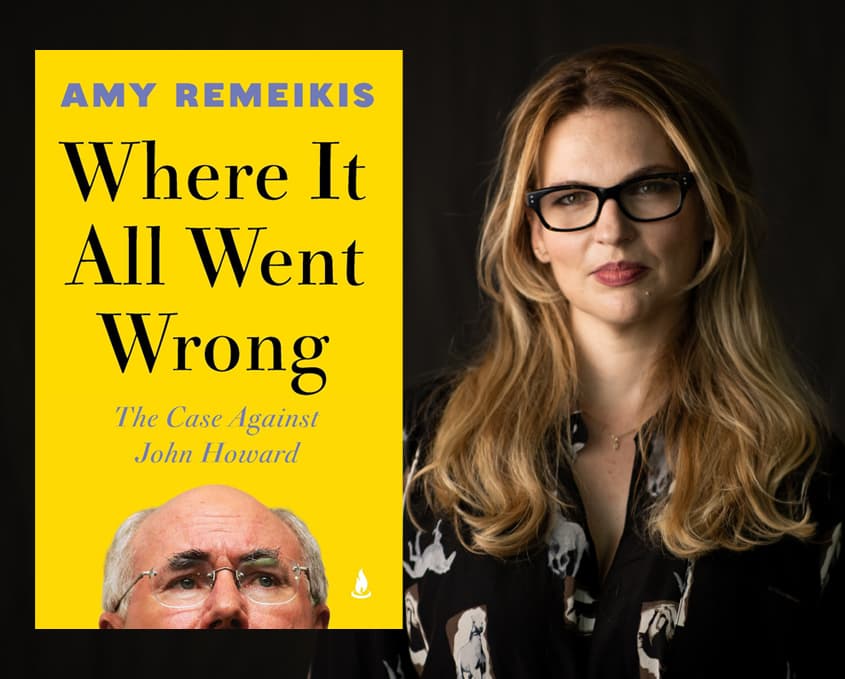
Early on in his prime ministership, John Howard stood in front of Australia’s Indigenous leaders and told them he would not apologise for Australia’s past.

Electoral reform advocates are calling for the Albanese Government to follow the lead of state Labor governments and remove political parties from Australia’s federal postal vote process.