Frontline community services are being pushed to breaking point as Australia’s housing crisis deepens, with new findings showing demand for help has surged and staff burnout is rising.
Fri 6 Feb 2026 01.00
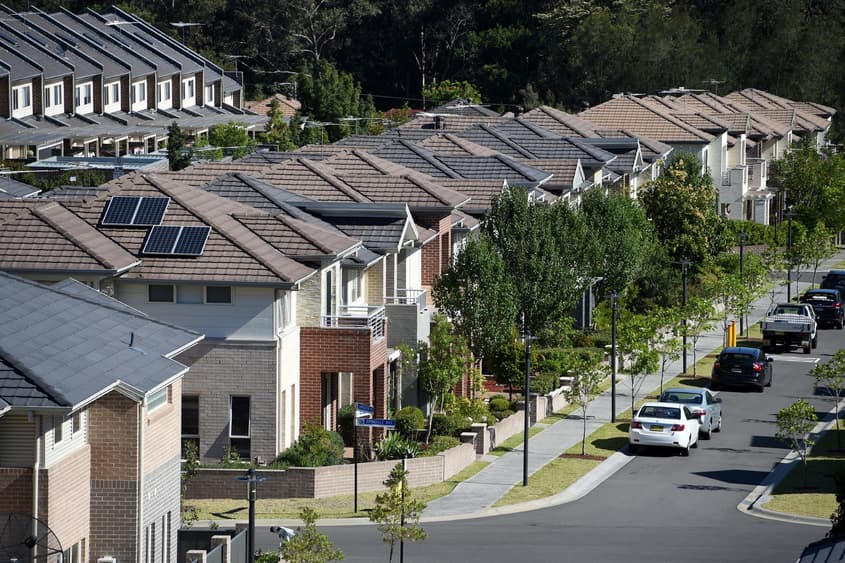
Photo: AAP Image/Dan Himbrechts


Frontline community services are being pushed to breaking point as Australia’s housing crisis deepens, with new findings showing demand for help has surged and staff burnout is rising.
National campaign Everybody’s Home has released its new ‘No Way Out’ sector survey results which capture the experiences and insights of organisations working across homelessness, housing, domestic and family violence, mental health, disability, and community services.
More than 70 organisations were surveyed, with more than eight in ten (82%) reporting the housing crisis is either significantly affecting their daily operations or severely threatening the effectiveness of their programs.
Everybody’s Home spokesperson Maiy Azize said it shows frontline services are trapped in constant crisis mode.
“These organisations are at the frontline of the crisis and they’re telling us they can see no way out.
“They’re having to help more people, with more complex needs, for longer periods of time,” Ms Azize said.
Concerningly, the survey revealed nine in ten (89%) respondents reported increased workloads over the past year, while almost all (98%) expect demand for their services to rise further in 2026.
“This is not a short-term spike or seasonal surge. Housing stress is getting more extreme every year, putting relentless pressure on staff and stretching organisations to their limits,” said Ms Azize.
It’s fuelling a high rate of staff turnover and burnout, with several organisations revealing workers and volunteers themselves have experienced housing instability or homelessness.
In some cases, organisations reported staff resigning because they could not find stable, affordable accommodation near work.
One service provider said, “This is absolutely affecting our staff. As a not-for-profit our salaries are low, so housing insecurity… is really prevalent amongst our workforce and volunteers.”
Another explained that with the majority of its staff renters, they’re “having to pay well over a third of their income for rent, [which] leads to serious financial difficulties”.
“In a grim irony, the housing crisis is affecting the very workers who are on the frontlines of it,” said Ms Azize.
It’s also taking a toll on workers’ mental health.
With soaring demand for help, workers were forced to frequently turn people away over the Christmas and New Year period.
One respondent told Everybody’s Home, “So often you carry hope for the people you work for, but when certain systems don’t have any flexibility or availability, then you’re the one who has to relay that message to [someone] who has already been burnt out and distrustful of that system for a really long time”.
Rising rents, inadequate income support and a chronic shortage of affordable housing have all contributed to the national crisis.
“Australia’s view of housing has changed dramatically,” explained the Australia Institute’s Senior Economist Matt Grudnoff.
“Previously it was seen as a safe and secure place to live. Now it is seen as a way to make money and build a financial nest egg.
“If we want to fix this crisis we need to go back to seeing housing as the essential good that it is.”
The 2026 Report on Government Services (RoGS) revealed the Australian Government spent more on property investor tax breaks ($12.3bn) than on social housing, homelessness services and rent assistance combined ($9.6bn).
“These tax breaks have encouraged investors to flood into the housing market, pushing up prices, outbidding home buyers and locking a growing number of people out of home ownership,” noted Mr Grudnoff.
He said the figures lay bare Canberra’s priorities.
“The Government is rigging the housing market for investors. This needs to end. Home ownership and affordable housing should be their number one goal.”
“We’re seeing growing numbers of people who are doing everything right being failed by the system,” added Ms Azize.
Frontline workers hope this year’s Federal Budget will include measures to alleviate some of the pressure, such as increased investment in public and community housing.
However, the report says organisations “are under no illusion that current pressures will ease in the near future”.
One respondent told Everybody’s Home, “It doesn’t matter how well you can navigate a system, if there is no housing, there is no housing”.
Half of the organisations surveyed said the government needs to prioritise increase funding for homelessness prevention and early-intervention services while 43% want the Commonwealth to abolish or reform tax handouts to property investors.
“Services right across the sector are calling for the federal government to take responsibility with a national response that matches the scale of the emergency, by ending the social housing shortfall, winding back tax handouts for property investors, raising income support and protecting renters,” said Ms Azize.
“In this year’s Federal Budget, the government has the opportunity to take action and prevent housing insecurity from deepening further and becoming more entrenched.”
The 2026-27 Federal Budget is forecast to be released in May of 2026.
The Reserve Bank’s decision to raise interest rates this week was a double whammy for Australians struggling with petrol price increases in the past month that have already cost them more than the impact of the rate rise.

Amid global turmoil, the report of the Strategic Examination of R&D (SERD) calls for “bold reform” of Australia’s “broken” research and innovation system. What better time to prepare for an uncertain future.
The Senate Select Committee on the Operation of the Capital Gains Tax Discount tabled its report on Tuesday. In short, it found that Australia’s current tax system favours investors and fuels intergenerational inequality. But the Coalition maintains the CGT discount is “working as intended.”