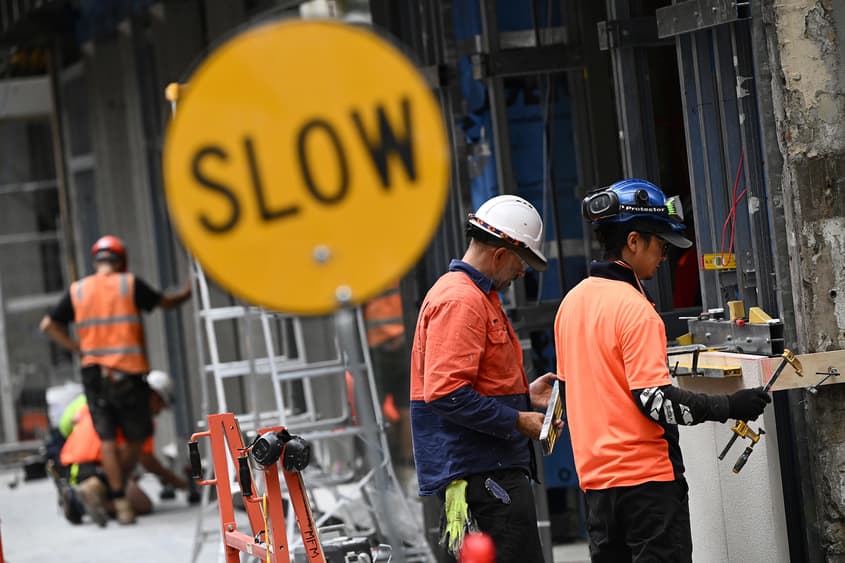
Welfare advocates are imploring the Australian Government to suspend mutual obligation requirements during dangerous heatwaves, arguing it is unnecessarily putting people’s lives at risk.
Thu 5 Feb 2026 01.00
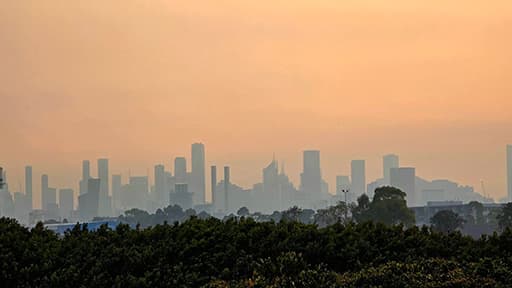
Photo: smoke haze from a bushfire in the Otways is shown shrouding Melbourne from various vantage points across the city in Melbourne, VIC, Australia; Sunday, January 25, 2026. (AAP/Supplied by Violetta Kara)


Welfare advocates are imploring the Australian Government to suspend mutual obligation requirements during dangerous heatwaves, arguing it is unnecessarily putting people’s lives at risk.
The country’s south-east endured more than a week of extreme temperatures in January, with Port Augusta, a coastal city in South Australia, recording a high of 50 degrees.
According to the ABC it’s the farthest south 50 degrees has been officially recorded in Australia.
“People are being forced to attend appointments, and Work for the Dole on 40+ degree days,” said Jay Coonan from the Antipoverty Centre.
“They’re being forced to get delayed public transport services to go to offices for 10-15mins to tick a box.
“Everyone is at serious risk during a heatwave, especially people with a disability, older people and those with health issues.”
Unlike fires, floods and cyclones, the Department of Employment and Workplace Relations (DEWR) does not recognise heatwaves as a natural disaster – leaving it up to the discretion of service providers to determine how they respond.
“If a job provider can physically open their doors on a 42 degree day, and a person in poverty can’t attend due to extreme heat, they can lose their payment,” said Mr Coonan.
Mutual obligation requirements are tasks and activities recipients must agree to complete to qualify for financial support while they receive help to find a job.
They also apply to Single Parenting Payment recipients with children aged six or older, who are typically required to complete 30 hours of work, study or approved activities per fortnight.
If the obligations aren’t met, demerits and financial penalties may apply.
One jobseeker said he was required to attend an appointment when the expected maximum temperature was 44 degrees.
He said his medication made heat exposure unsafe but “because of the national holiday, I can’t call my job provider about it which means I either risk heatstroke or lose my welfare.”
Department of Employment and Workplace Relations asserts it issued a reminder to providers in January “that they must consider the impact of current weather events” and alter mutual obligations accordingly.
“Providers have been asked to make adjustments that could include rescheduling appointments or conducting them by phone or video and adjusting points and job search targets,” it stated.
However, Mr Coonan points out the department has “no way of monitoring if this is happening” and without critical oversight “they are essentially telling providers to be nice and hoping for the best.”
The Department has been criticised over its poor oversight of private providers.
A December 2025 Commonwealth Ombudsman report found the DEWR had high rates of overturned decisions, inadequate oversight of privatised providers, and misleading communications regarding mutual obligation penalties.
‘Stigmatisation of unsuccessful job seekers as people who are reluctant to accept employment may contribute to the limited oversight of providers and possible narrow administration of the program,” noted Commonwealth Ombudsman Iain Anderson.
His report also criticised private providers for using flawed and sometimes unlawful processes within the Targeted Compliance Framework (TCF), resulting in incorrect payment suspensions for thousands of vulnerable job seekers.
According to analysis from Economic Justice Australia approximately 310,000 people had their Centrelink payments unlawfully cancelled between 2020 and 2024.
The Antipoverty Centre is urging the department to start dealing “frank fearless advice” to the Government and advocate for a change in policy to include heatwaves as a genuine reason to pause mutual obligation requirements.
“Because at the moment it seems that both are in lockstep to ensure profits for provider CEOs, dividends to shareholders and brutal poverty for everyday people,” said Mr Coonan.
New South Wales is the first state in Australia to ban new coal mines. The State Government announced on Friday that it will no longer consider applications for new mines or allow new coal exploration, while extensions to existing mines will still be considered.
Advertisement
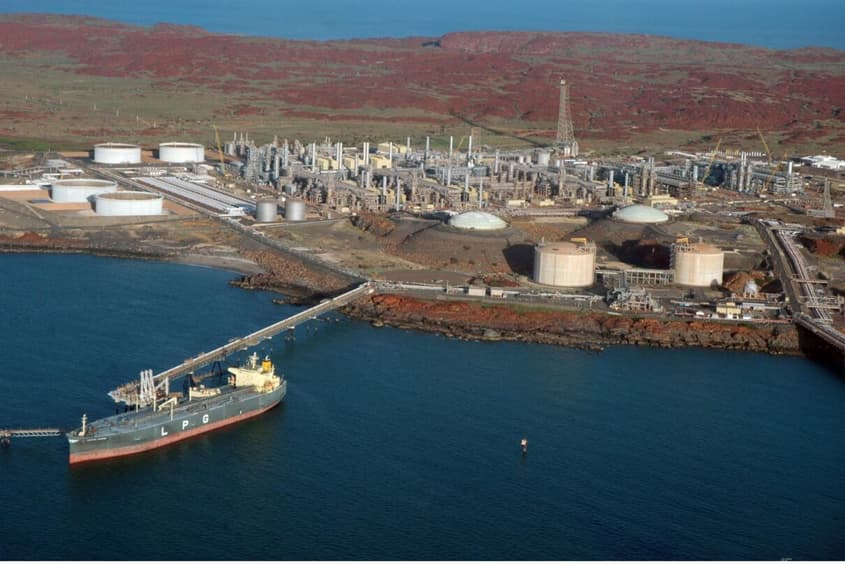
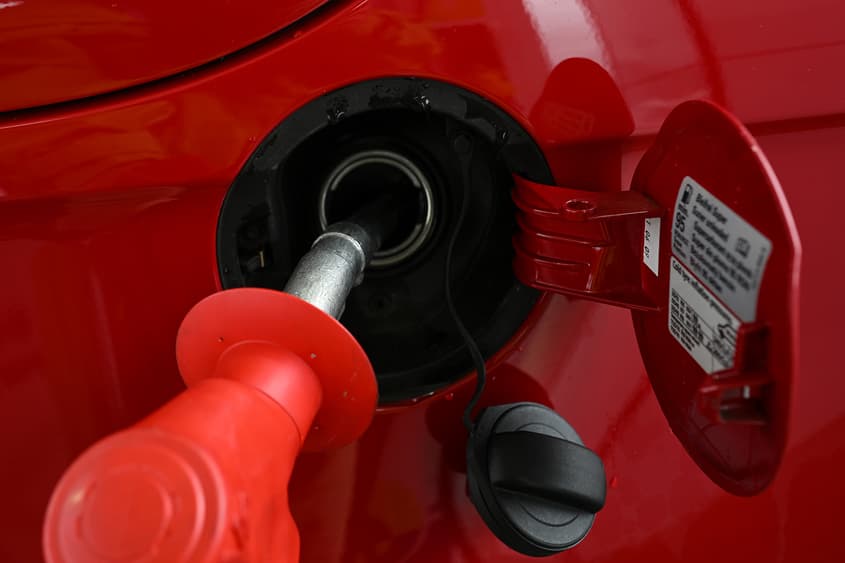
The Reserve Bank’s decision to raise interest rates this week was a double whammy for Australians struggling with petrol price increases in the past month that have already cost them more than the impact of the rate rise.
In February the unemployment rate rose from 4.1% to 4.3%, providing further evidence the Reserve Bank misread the economy when it raised rates in both February and this week.