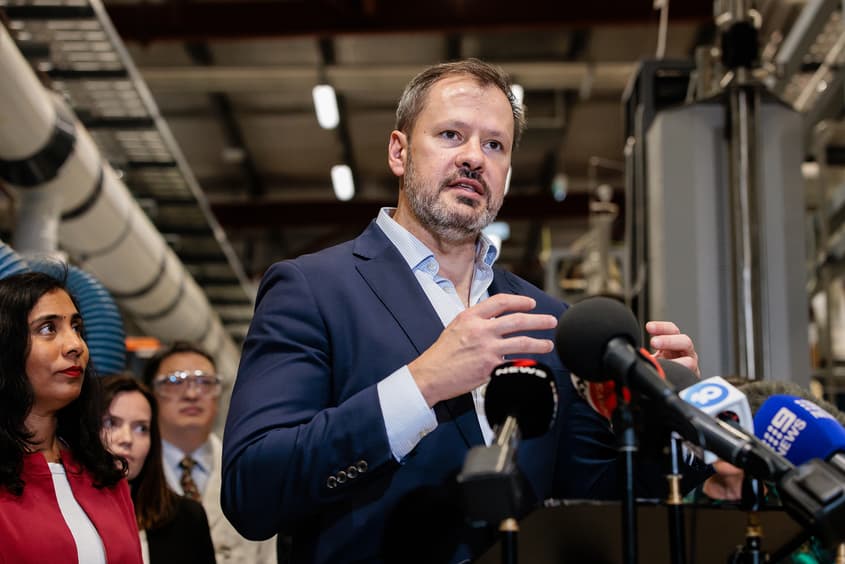
Tasmania’s Liberal Government is being warned against rushing to lock in long-term logging contracts, with critics cautioning the state could be forced to pay millions to tear them up.
Fri 6 Feb 2026 09.00

Photo: AAP Image/Ethan James


Tasmania’s Liberal Government is being warned against rushing to lock in long-term logging contracts, with critics cautioning the state could be forced to pay millions to tear them up.
The Rockliff Government is eager to deliver on last year’s election commitment to extend long-term supply contracts for sawmillers from 2027 to 2040.
However, The Wilderness Society Tasmania says its latest report shows the industry is “financially fragile” and is heavily dependent on taxpayers’ dollars.
“Propping up an unviable industry while gambling with public money is reckless, wasteful, and unfair to Tasmanian taxpayers,” said Forest Ecologist Dr Jennifer Sanger, who co-authored the report.
Since the late 1980s, WST estimates governments have committed more than $1.25 billion in grants and subsidies to keep the industry alive.
“The ecological cost is enormous, the climate impact is profound, and the economic losses continue to pile up,” said Louise Morris, advocate at the Australia Institute.
The Wilderness Society remarked its latest analysis “debunks claims made by mainstream politicians and the native forest logging industry that it is essential to the Tasmanian economy”.
Forest Campaigner at Wilderness Society Tasmania Hugh Nicklason says the report shows Tasmania’s native forest logging industry “only survives because taxpayers keep bailing it out”.
“More than a billion dollars has been poured into an industry that is not economically viable, while public forests are logged for low-value exports.
“The industry employs barely one per cent of the workforce,” added Ms Morris.
“Native forest logging is a long-running source of division in Tasmania, keeping communities locked in a false jobs-versus-environment debate long after the economic case has collapsed.”
The Wilderness Society says its report “builds on vast evidence of elite cartel corruption by major logging companies operating in Tasmania” and notes evidence shows that around 80% of logged native forest material is processed into low-value woodchips, primarily for export.
It also notes that contrary to claims, “reduced native forest sawmilling has not increased imports, and Australia exported more than twice as much hardwood as it imported in 2023”.
“Tasmania’s native forest logging industry is the highest-emitting sector in the state economy, releasing millions of tonnes of carbon pollution each year while destroying some of the most carbon-dense and biodiverse forests on Earth,” said Ms Morris.
The industry’s future has been unclear since the Albanese government secured support from the Greens for its Environmental Protection and Biodiversity Conservation (EPBC) reforms in November 2025.
To get the bill through the Senate, the Federal Government agreed to take control over land clearing and regional forest agreements by July 2027 – 18 months earlier than its initial pledge to the Greens.
At the time Australian Greens Forests spokesperson Senator Nick McKim said it was a “significant win” and should “hasten the end of the native forest logging industry”.
Dr Sanger points out the Tasmanian Government would be signing new contracts “just as changes to the EPBC Act are likely to restrict or shut down these operations”.
“This is a familiar and costly mistake: when the rules change, governments pay millions to cancel the very contracts they are now locking in,” she said.
Mr Nicklason asserts there’s no reason to “double down on a failed model that Tasmanians do not support and do not need”.
According to the Wilderness Society Tasmania, recent polling found only 12% of Tasmanians support native forest logging.
In August 2025 the Liberal minority government was forced to skuttle an election commitment to open up 39,000 hectares of native Tasmanian forest to logging.
It said at the time the decision was “in line with community expectations”.
Research by the Australia Institute in 2024 revealed seven in 10 Australians (69%) support an end to native forest logging on public land across Australia, including 37% who strongly support an end.
It also found that support was high across voters for all parties.
The claim is true. Japanese companies are on-selling a lot of Australian LNG and making a lot of profit while doing it.
Advertisement

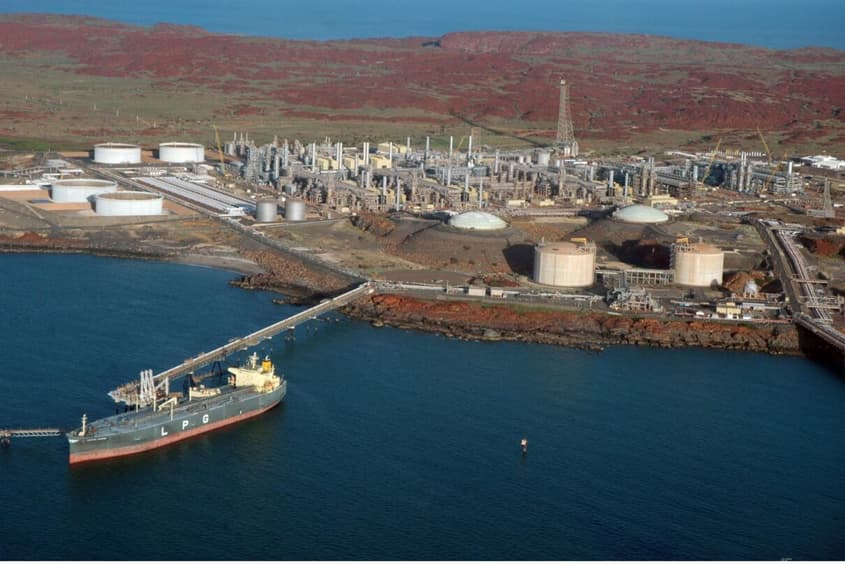
The Albanese Government is quietly exploring options for a new tax on gas and coal giants reaping windfall profits from the war in the Middle East.

The gas industry is clearly worried that a vast majority of Australians believe there should be a 25% tax on gas exports. After decades of playing Australian governments for fools, the industry deserves to be worried that Australians and politicians across multiple parties have realised that Big Gas is taking the piss.