In the aftermath of the Reserve Bank’s decision to raise rates, the various parties that now make up the non-government side of things (“Opposition” feels far too a cohesive term) have taken to trying to blame Government spending.
Thu 5 Feb 2026 01.00
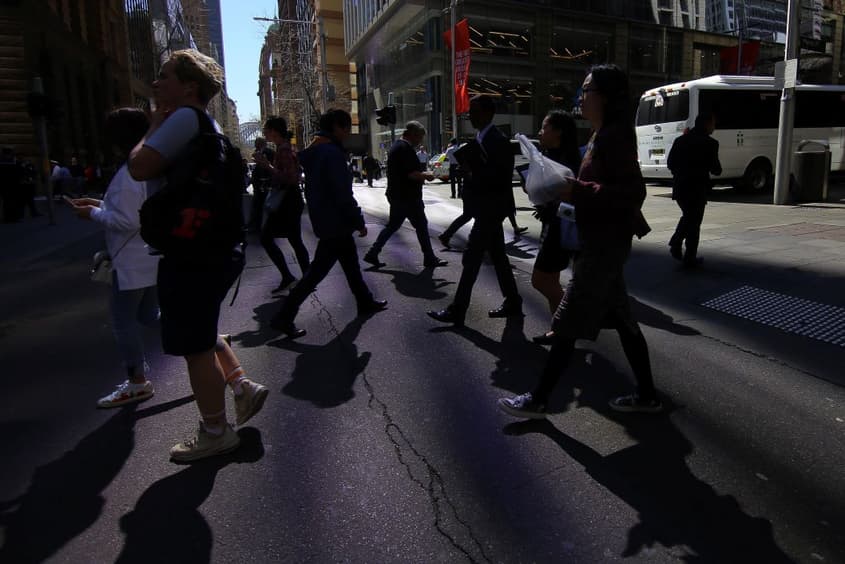
Photo: AAP Image/Steven Saphore


In the aftermath of the Reserve Bank’s decision to raise rates, the various parties that now make up the non-government side of things (“Opposition” feels far too a cohesive term) have taken to trying to blame Government spending.
Alas, while this might be a nice sound bite, especially when you suggest you need to run a Government Budget like a household one (which is quite silly), it doesn’t hold up to any decent scrutiny.
While you would expect Liberal Party politicians to criticise the Government – indeed Sussan Ley demanded the Prime Minister “accept responsibility”, it was rather more curious to see economists who like to hold themselves up as neutral observers blaming the Government for inflation.
Inflation in December was totally due to rises in holiday travel and accommodation prices jumping mostly off the back of the Ashes tour.
But one economist writing in the AFR blamed inflation on among other things, the Government mandating a 15% pay rise for childcare workers (10% from December 2024 and 5% from December 2025).
That’s a stunning impact given childcare workers make up about 1.5% of the labour force.
But I guess people who care for children while parents work are not as vital as the very important economic commentators doling out their opinions to company executives. He also was aghast at the childcare subsides provided by the Government (someone clearly does not rate childcare as a need).
But the line that government spending was to blame for inflation and rate rises was rather nicely slapped down by the RBA itself in the Statement on Monetary Policy, which was released at the same time.
It noted that the big driver was private demand – ie investment and consumption.
Now I would take issue that this was a concern, because the RBA itself also noted that “the largest contribution to the quarterly surprise was from non-mining machinery and equipment investment, in large part relating to data centre fit outs and purchases of aircraft.
These types of investment tend to be lumpy and have a large, imported component that limits the immediate boost to GDP.”
So you know, not something that should cause a rate rise.
Secondly the RBA also noted that “some of the strength in household consumption is likely to be temporary, as retail spending was boosted by households bringing forward spending from the month of December and the March quarter to benefit from sales and promotional periods”.
And even worse that “consumer sentiment has also remained relatively flat over the past year at below-average levels”.
So again, maybe the pick up in spending is more about people chasing sales and less about everyone feeling flush with cash.
But regardless, that was the cause of inflation according to the RBA.
Now in such a case if public depending (known in economic terms as demand) was also growing, then you could say that the government is adding to inflation and making it all worse.
The problem for the Liberal Party and certain economists is the RBA said the opposite. It noted that “while private demand growth was stronger than expected in the September quarter, the collective contribution of other components of GDP declined and was weaker than expected”.
It went on to note that “the contribution of public demand to year-ended GDP growth has continued to ease in recent quarters, as expected”
And it concluded that “the level of spending on social benefits to households (which includes a range of payments to households, including relating to the NDIS, Medicare, the Pharmaceutical Benefits Scheme, aged care and childcare subsidies) has steadied in real terms in recent quarters after growing strongly in recent years.”
So all that talk about childcare subsidies, complaint about too much NDIS etc? The RBA says, Yeah. Nah.
This was not a shock to anyone who actually had looked at the figures:
But why bother with reality when blaming the Government is easy and gets you an op-ed in the AFR?
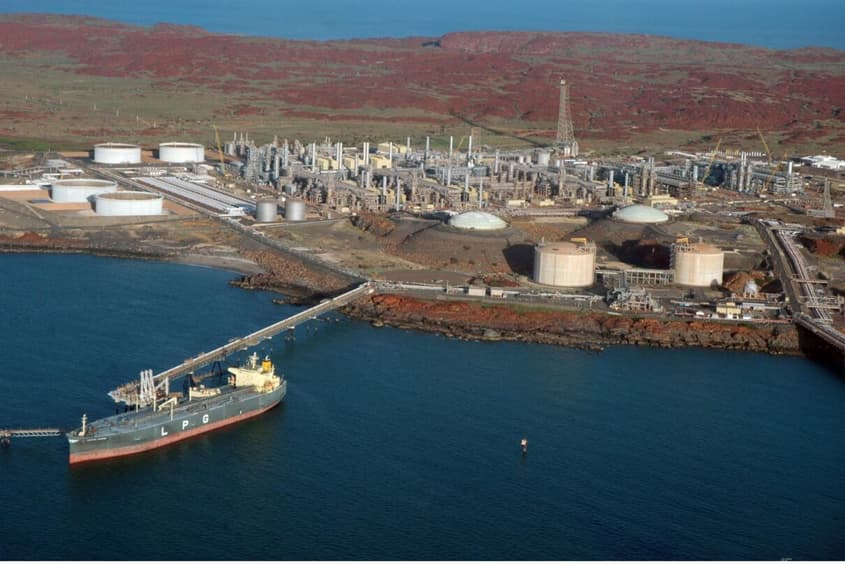
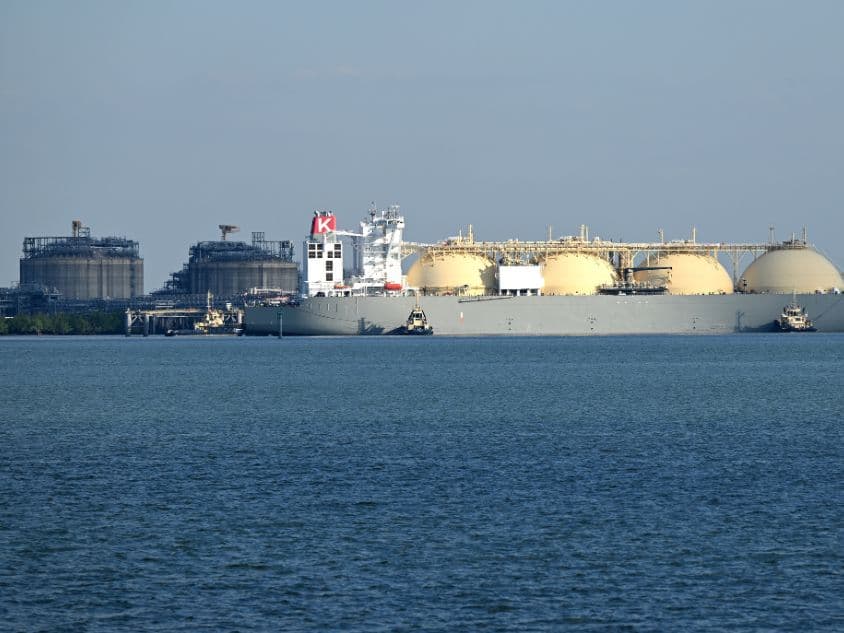
The gas industry is clearly worried that a vast majority of Australians believe there should be a 25% tax on gas exports. After decades of playing Australian governments for fools, the industry deserves to be worried that Australians and politicians across multiple parties have realised that Big Gas is taking the piss.
Advertisement
The Reserve Bank’s decision to raise interest rates this week was a double whammy for Australians struggling with petrol price increases in the past month that have already cost them more than the impact of the rate rise.
For years, the idea of properly taxing gas exports has been treated as politically untenable - something governments approached dismissively, if at all. But as global conflict pushes up energy prices and gas company profits surge, that dismissiveness is starting to look like negligence.