The latest wages data shows the RBA is wrong to blame higher wages for rising inflation. Recently inflation was on the rise, and the Reserve Bank is worried about a tight labour market. But what does a tight labour market mean, and what does it have to do with inflation?
Wed 18 Feb 2026 13.20
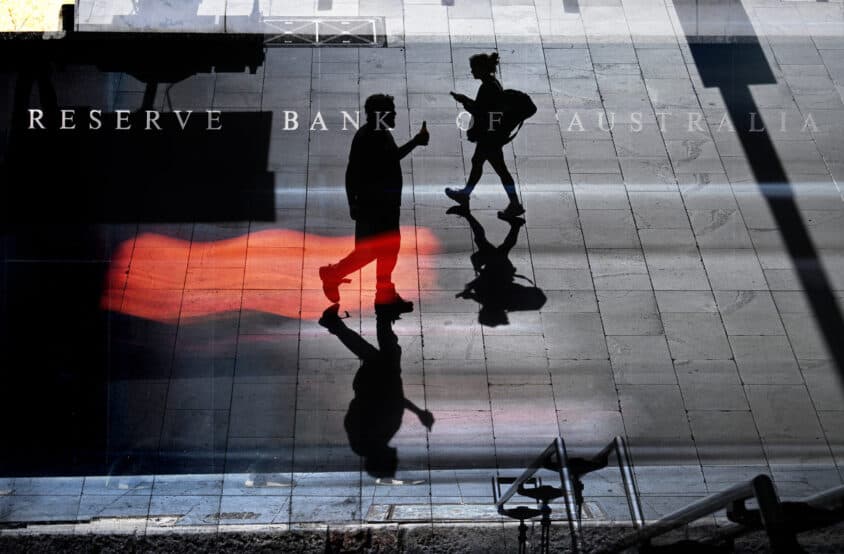
Photo: AAP Image/James Ross, Joel Carrett


The latest wages data shows the RBA is wrong to blame higher wages for rising inflation.
Recently inflation was on the rise, and the Reserve Bank is worried about a tight labour market. But what does a tight labour market mean, and what does it have to do with inflation?
Last month inflation jumped up unexpectedly. It was a big enough jump to scare the Reserve Bank’s Monetary Policy Board to increase interest rates. From the minutes of that meeting we learned that they continue to be concerned about wages growth and a tight labour market.
A tight labour market is RBA speak for when unemployment is too low.
But wait. Isn’t low unemployment a good thing?
Not according to the RBA. A tight labour market means that businesses are having trouble finding workers. If this happens then they will have to offer workers higher wages to convince them to come and work for them.
But again, isn’t higher wages a good thing?
Not according to the RBA. Higher wages is a cost to businesses. To prevent their profits from falling, businesses put up their prices. If lots of them do this then we get inflation, the one thing in this world that the RBA hates the most.
Today the Australian Bureau of Statistics released their main measure of wages, the wage price index, also known as the WPI.
This means we can see if wages are rapidly increasing. Are wages driving inflation?
It won’t be a surprise to any workers to know that no, wages aren’t rapidly increasing. They came in at the same rate they have been for over a year, 3.4%. This is less than the inflation rate of 3.6%.
Inflation is not being driven by wages. If we look at the graph of inflation and wages below, we can see that while inflation spiked up since the middle of last year, wages have been increasing at a steady rate.
So, what is driving the current spike in inflation?
Well, it has mainly been one off things. This has included the ending of state electricity rebates, as well as a recent spike in overseas and domestic travel and accommodation.
Neither of these will be fixed with higher interest rates.
Other areas of previous concern are now easing. After reaching historic high rates of growth a few years ago, insurance has now eased and is only increasing at 2.7% per year.
Rents, which have caused so much pain are also slowing. While slower than in recent years, they are still increasing too quickly at 4% per year.
While there is uncertainty about what exactly is driving inflation, today’s WPI shows that it is not wages.
The Albanese Government is being urged to rule out changes to the Electric Car Discount in the May budget, as global fuel volatility intensifies pressure to ease the cost of living.

Advertisement

Economists and other inflation watchers are claiming that the cut in the fuel excise will be inflationary. This is not true, as this claim ignores everything else that is happening in the economy right now.
On the back of polling showing strong support for tax concession reductions for property investors, independent member for Mackellar, Dr Sophie Scamps has voiced her support for the government to make changes in the upcoming federal budget to make housing fairer.