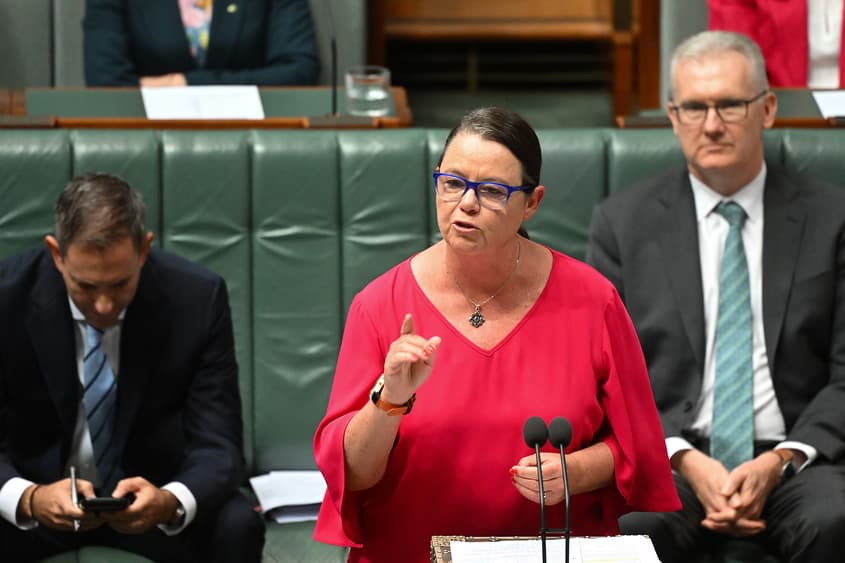
In the lead up to the Australian Budget, reporting in the AFR shows leading Australian economists including former Deloitte partner Chris Richardson and former head of the ACCC Rod Simms have called for big increases in tax on the gas industry in the light of rising gas prices caused by the Iran war.
Tue 17 Mar 2026 01.00
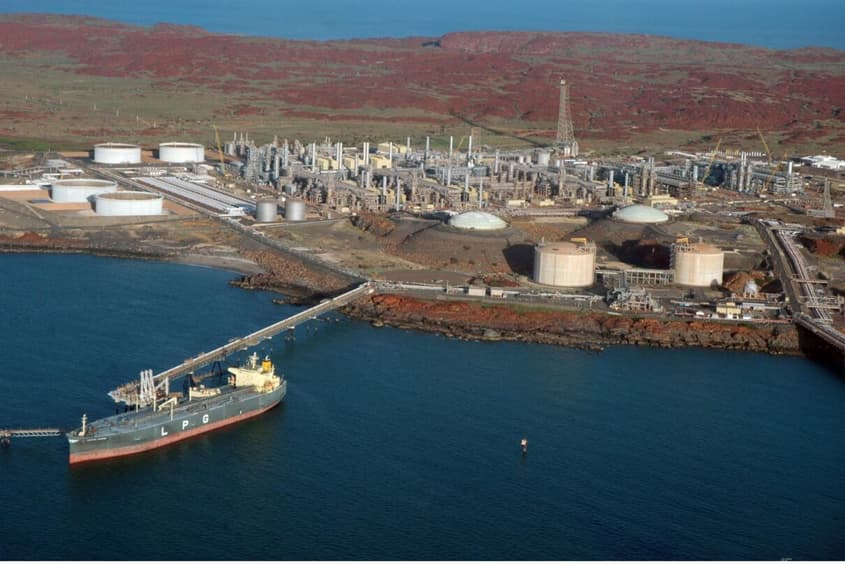
Image: AAP/Rebecca Le May


In the lead up to the Australian Budget, reporting in the AFR shows leading Australian economists including former Deloitte partner Chris Richardson and former head of the ACCC Rod Simms have called for big increases in tax on the gas industry in the light of rising gas prices caused by the Iran war.
Both are scathing of current arrangements.
Chris Richardson said,
“Yet again, there will be a spike in national income thanks to gas earnings and yet again, Australia will receive a woefully inadequate share of it. It is an important reminder that generations of Australian politicians have failed to get our taxing of gas right.”
Rod Simms said:
“When you get a horrible situation like this, which just happens to boost the coffers of world’s biggest companies, and the gains don’t even come to the Australian people, that is a great shame. I don’t think [the benefit to the budget] is going to be that big at all.”
Challenger Chief Economist Johnathan Kearns said, “Australia is a net energy exporter, however it will not benefit from this energy price shock,”
Even the RBA deputy governor Andrew Hauser has acknowledged that taxes on gas companies are “not a huge share of total government receipts”.
The petroleum resource rent tax (PRRT) is meant to ensure a return for Australians from windfall “super-profits,” gas companies receive from the export of our gas resources, particularly during periods of high oil and gas prices as has happened during the Ukraine War and the current war in Iran.
However it captured virtually none of the $100 billion windfall profits going to global gas giants exporting Australia’s gas following the Russian invasion of Ukraine, because astonishingly, as of 2023 no gas exporter had ever paid PRRT, despite the tax being in place for over three decades.
Australia allows the export of over 80% of its gas production and is one of the largest gas exporters in the world. Yet Australian students pay more in HECs repayments than the gas industry pays in PRRT. The Australian beer excise also raises more than the PRRT.
The Government made changes to the PRRT in 2023, but they have had little effect.
The Superpower Institute chaired by Rod Simms has proposed a 40% tax on the cash flows of oil and gas companies, which it says would raise $18.6 billion in additional revenue.
This proposal joins the proposal for a 25% tax on gas exports that would raise around $17 billion annually proposed by the ACTU, and supported by David Pocock, the Greens, the Australia Institute and others.
One Nation have proposed imposing royalties on all gas production which would raise $13 billion annually. Australia Institute research has shown the Australian Government does not impose royalties on over half the gas exported from Australia, effectively giving the gas a way for free. The Australia Institute also supports imposing royalties on the gas industry.
Australia Institute polling has shown strong public support across the political spectrum for a 25% tax on the gas exports, including in the seat of Farrer where 75% of voters support a 25% tax on gas exporters.
It would be deeply ironic if the Australian Government chose to accept the forecast budget deficit for the May budget, while letting massive windfall gains flow to the gas industry without benefiting Australians.
Advertisement

Australia doesn’t have a shortage of houses, a shortage of gas, or a shortage of bullshit about housing and gas supply. Australia is one of the world’s largest exporters of gas, but we’re often told we don’t have enough gas. Likewise, Australia has more houses and apartments -- in absolutes terms and per person -- than we did in the 1960s.
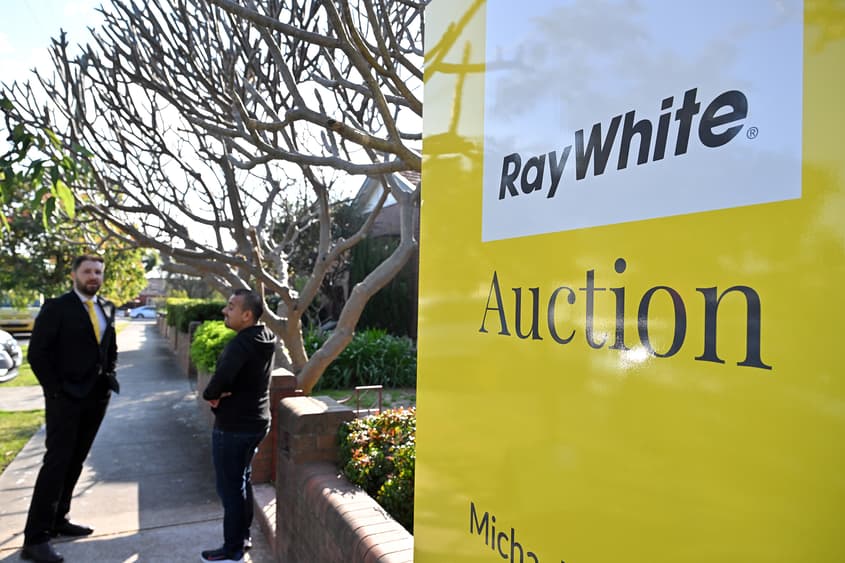

Research from the Australian Council of Social Services (ACOSS) released today shows that the benefits of the capital gains tax (CGT) 50% discount overwhelmingly favours the wealthiest electorates in the country.

For the last decade, Australians have been continually told by the gas industry, media commentators and politicians we have a gas shortage. These claims are almost always used to pressure Australian governments to approve open new gas fields on the basis that the gas is needed to supply Australians and reduce gas prices.