Australia doesn’t have a shortage of houses, a shortage of gas, or a shortage of bullshit about housing and gas supply. Australia is one of the world’s largest exporters of gas, but we’re often told we don’t have enough gas. Likewise, Australia has more houses and apartments -- in absolutes terms and per person -- than we did in the 1960s.

Tue 17 Mar 2026 01.00
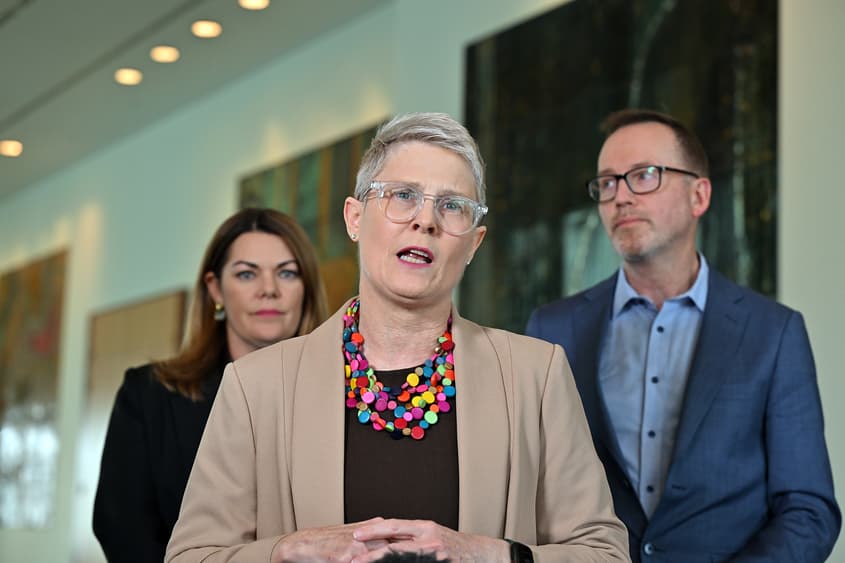
Photo: AAP Image/Mick Tsikas


Australia doesn’t have a shortage of houses, a shortage of gas, or a shortage of bullshit about housing and gas supply.
Australia is one of the world’s largest exporters of gas, but we’re often told we don’t have enough gas.
This lie of a ‘gas shortage’ is used to justify the tripling of our wholesale gas price and to fabricate the need to frack farmland for even more gas. In reality, the only reason gas is ever in short supply in Australia is that most of our gas is on boats being exported to other countries.
Likewise, Australia has more houses and apartments — in absolutes terms and per person — than we did in the 1960s. In the 20 years after 2001, the population grew by 34%, while the number of dwellings increased by 39%.
But as with gas, the problem isn’t a lack of homes, but who is buying them all up.
While we obviously aren’t shipping all our houses overseas like our gas, for decades our tax system has diverted more and more houses away from owner occupiers and towards property speculators.
It hasn’t worked out well for most of us, but it’s working a treat for the wealthiest Australians.
The percentage of dwellings owned by property speculators and holiday-home owners has been rising steadily since the mid 1960s. As a result, the percentage of Australians renting has risen steadily over the same period.
And while rising inflation is eating away at the purchasing power of all Australians, because rents are rising faster than most prices, renters are facing an even bigger cost of living crisis than those lucky enough to own one or more houses.
What is often referred to as Australia’s ‘housing crisis’ is of course no such thing for those who own multiple investment properties.
While rapidly rising rents are brutal for many tenants, just like surging house prices, rising rents are a boon for landlords. And of course, the only reason speculators spend so much borrowed money buying so many investment properties is because they expect house prices to keep on rising.
For the 2.3 million people who own an investment property, the housing market isn’t in crisis, it is going gangbusters.
One percent of taxpayers now own a quarter of all rental properties. Yes, read that again if you have to.
The property speculators with two or twenty houses are getting the high, and lightly taxed, capital gain they literally bet their house on and to them, soaring rents are just a delightful a bonus.
Their wealth is rising fast and the only crisis they fear is the ‘crisis’ of falling house prices. Imagine the horror for landlords if their tenants started moving out of their rental properties and into homes ordinary Australians could actually afford to buy!
But there is little chance of houses getting cheaper any time soon. Not only would cheaper houses make property speculators sad, but it would also make the banks that lend property speculators so much money sad as well. This is why both the Prime Minister and the Housing Minister have been at pains to assure the property speculators and their banks that the Government is not trying to lower house prices.
In the words of Housing Minister Clare O’Neil: “We’re not trying to bring down house prices…That may be the view of young people, [but] it’s not the view of our government.”
Likewise, Anthony Albanese made clear that because of his new housing policy called the First Home Guarantee that: “There will be a slight increase in prices”.
Indeed, during the last election, both the PM and then-Opposition Leader Peter Dutton clarified that they wanted house prices to keep rising, with the former Leader of the Liberal Party saying he wanted house prices to “increase steadily.”
To be clear, neither the banks, the property speculators nor the Albanese Government want house prices or rents to fall.
When we talk about a ‘housing crisis’ in Australia, we need to be clear that Australia does not have a ‘shortage of housing’ crisis, but an ‘access to housing’ crisis.
Just as Australia has abundant gas but makes it hard for Australian customers to get their hands on it, Australia has abundant housing that most people can only dream of buying. And just as the gas industry doesn’t want to see gas prices fall, the people who own two or twenty houses don’t want house prices to fall either.
To make gas cheaper for everyday Australians we simply need to divert gas from export customers to Australian customers and the surge in domestic gas supply will push prices down. That’s why the gas industry opposes such moves.
Likewise, to make housing cheaper for owner-occupiers we just need to divert house ownership from property speculators who are hoarding a record number of houses to the owner-occupied market. This increase in supply of houses from the landlord market to the owner occupier market would be easy to achieve if we reform Peter Costello’s 50% capital gains tax discount.
At the same time, the Government could start investing in publicly owned housing again.
Building the kind of houses we need, in the places we need them, and only renting or selling them to the people who the Government believes most need them, is an easy way to solve specific housing problems in specific areas.
But of course, if we used the tax system to reduce the attractiveness of housing as a form of speculative investment, and if we used government spending to build the kind of houses we need in the areas that need them, house prices would fall.
And both the Housing Minister and the PM have assured speculators and their bankers that cheaper houses are not the goal.
Australia can have cheaper energy and cheaper houses, but only if our governments actually want to deliver them.
The Norwegians don’t feel poor when the price of their gas exports surge, and nor should Australians. Likewise, Australians don’t have to feel poor when the price of speculators investment properties soar.
But we won’t be able to fix such problems until the Governments we elect are willing to set clear goals to make houses and gas cheaper, and then judge them by whether they have delivered or not. The economics of making houses and gas cheaper aren’t complicated, but wading through all the bullshit excuses can be exhausting.
Advertisement
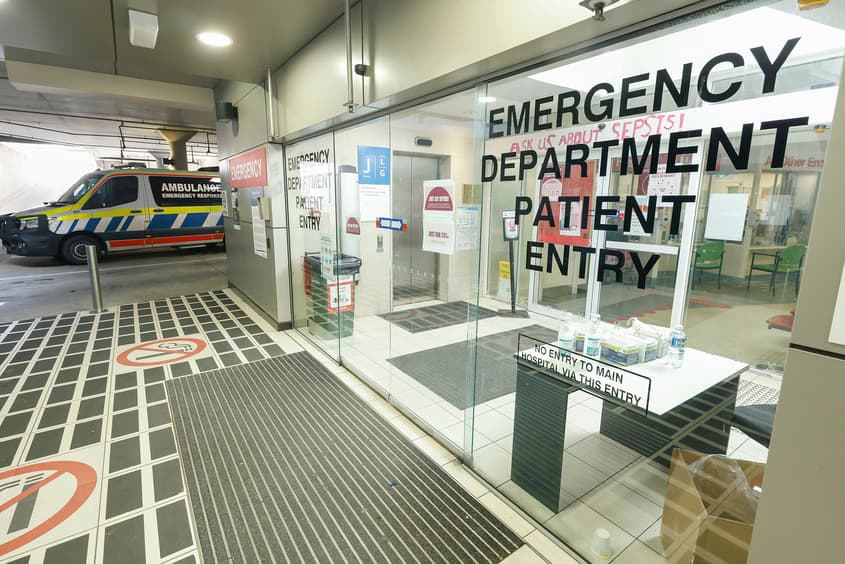
Behind the closed doors of a consultation room, or concealed by impenetrable medical jargon, wrongdoing in the healthcare sector impacts the lives of every Australian.
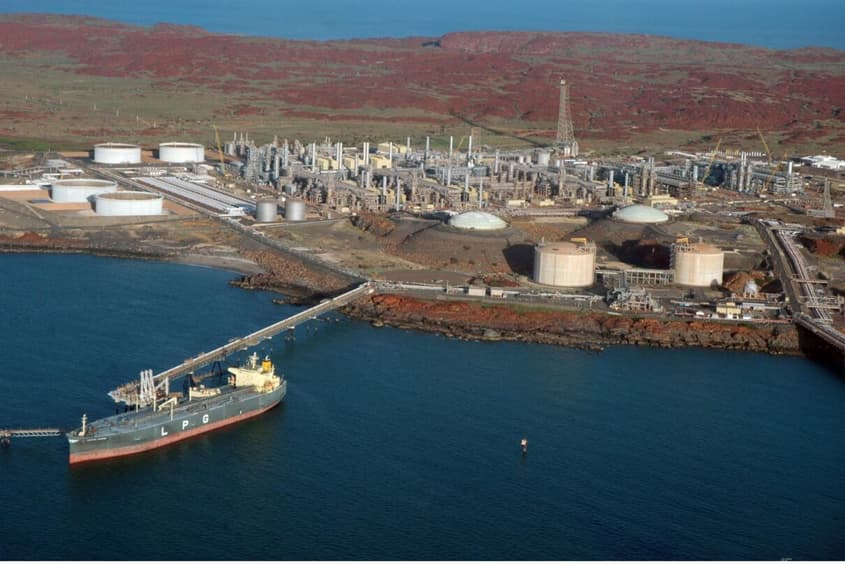
In the lead up to the Australian Budget, reporting in the AFR shows leading Australian economists including former Deloitte partner Chris Richardson and former head of the ACCC Rod Simms have called for big increases in tax on the gas industry in the light of rising gas prices caused by the Iran war.
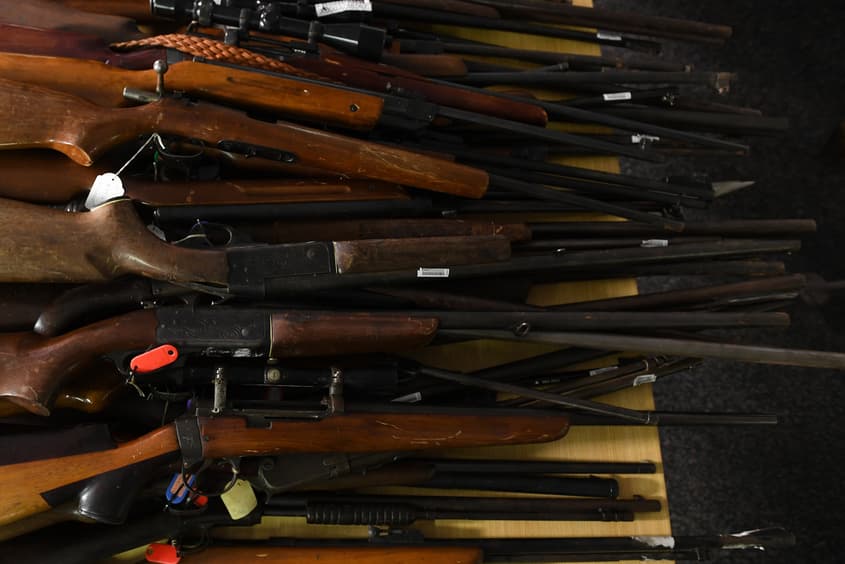
To get a gun licence in Australia, an applicant must have a “genuine reason” to use a gun. You can’t just have a gun because you want one -- firearm ownership is a privilege in Australia, not the sort of right that United States gun owners never tire of talking about.