The Federal Government is facing calls to intervene and stop the expansion of a central Queensland coal mine that environmental groups have labeled a “carbon bomb”.
Tue 17 Mar 2026 01.00
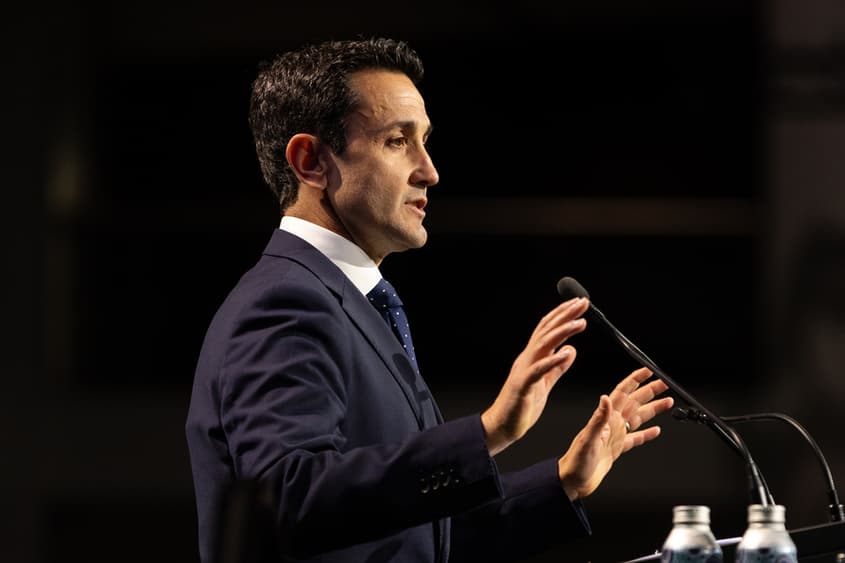
Photo: AAP Image/Russell Freeman


The Federal Government is facing calls to intervene and stop the expansion of a central Queensland coal mine that environmental groups have labeled a “carbon bomb”.
The QLD Crisafulli Government has approved an extension of Glencore’s Hail Creek coalmine – Australia’s most methane-polluting open-cut coalmine –allowing it to expand its footprint and operate for a further three years until 2038.
Environmental groups say it will allow for the mining of an additional 29 million tonnes of thermal and metallurgical coal and release at least 70 million tonnes of climate pollution into the atmosphere.
The Australian Conservation Foundation (ACF) is calling for Canberra to “step in to halt the detonation of this carbon bomb”.
“Although Hail Creek coal mine only produces around 1 per cent of the coal dug up in Australia, it is a super emitter, responsible for around 20 per cent of Australia’s coal mine methane,” said ACF climate campaigner Freja Leonard.
Critics argue the expansion will come at a significant environmental cost, including the loss of 600 hectares of koala habitat to dig a new pit and expand two existing pits.
“The Queensland government’s decision to sacrifice a nationally significant population of koalas for three more years of coal mining is short sighted and bloody minded,” said Emma Barrett, Mackay Conservation Group Coordinator.
“We should be doing all we can to pull koalas back from the brink of extinction and save their habitat, not destroying the bush where they live just for Glencore to mine coal for a few more years.”
Rod Campbell, Research Director at the Australia Institute, said the Albanese Government “isn’t taking climate change seriously” while it’s still approving new coal mines.
“Climate scientists, the United Nations (UN), the International Energy Agency have all made it very clear that new coal projects should be stopped, yet here is the Queensland Government approving a new one.”
He said the country’s decisions on coal have global consequences.
“What Australia does matters. When coal mines are stopped in Australia, other countries respond by using less coal. South Korea brought forward its end date for burning coal following the rejection of several coal mines in NSW.”
“Australia can send a message to the rest of the world by its actions on this mine and the other 97 coal and gas projects in the planning process.
The Lock the Gate Alliance has warned the decision allows for significant methane pollution to go unchecked.
“Hail Creek is the most methane polluting open cut coal mine in Australia, but the Queensland government has placed no genuine conditions on Glencore to reduce and mitigate their pollution,” said Lock the Gate Alliance Central Queensland coordinator Dr Claire Gronow.
“Glencore says it will complete a study into ‘pre mine drainage’ of methane in two years’ time, well after mining starts. Pre-mine drainage of harmful methane gas needs to occur pre-mining, not two years after mining commences.”
In a statement, Glencore said it uses “the most accurate regulated method” to measure methane emissions and rejects the ACF’s claims.
In 2025, the UN’s International Methane Emissions Observatory (IMEO) program discovered emissions at the Hail Creek mine were likely between three and eight times higher than officially reported.
Glencore disputed the findings, arguing the satellite / remote sensing methods were unsuitable for annual reporting.
In 2021, The Financial Review reported the SRON Netherlands Institute for Space Research found the mine “leaked an estimated 230,000 tonnes of methane a year in 2018 and 2019” and had the “same climate warming impact as the annual pollution from more than 4 million US cars”.
Queensland Conservation Council coal and gas campaigner Charlie Cox argued the State Government should be protecting communities from the worsening impacts of climate change.
“Cutting methane is one of the fastest ways to slow global warming within our lifetime. Ramping it up with projects like Hail Creek does the exact opposite, accelerating the crisis when we should be slamming the brakes.”
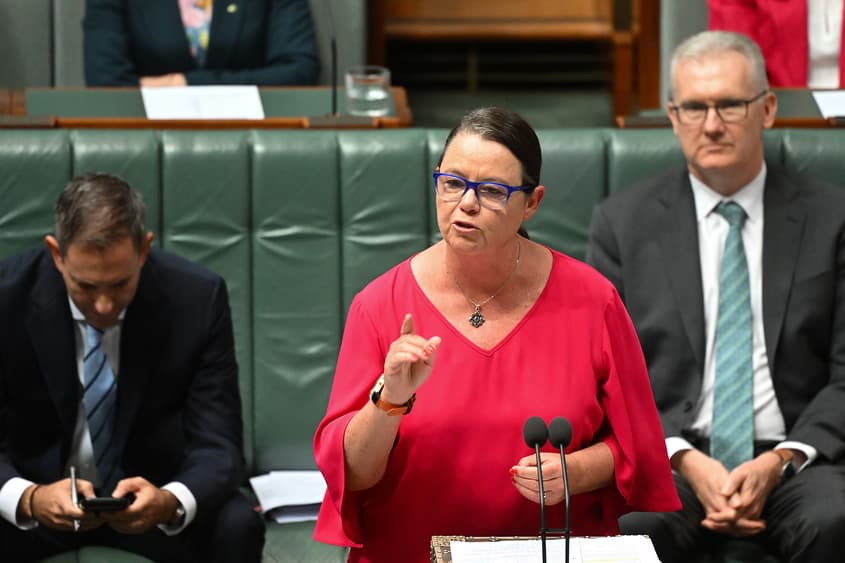
He said it is now up to Australian Environment Minister Murray Watt to act.
“Will Minister Watt do his job, prove our national environmental laws actually mean something, and protect koala habitat from being bulldozed, or will he prioritise the profits of a super polluting coal mine?”
Advertisement

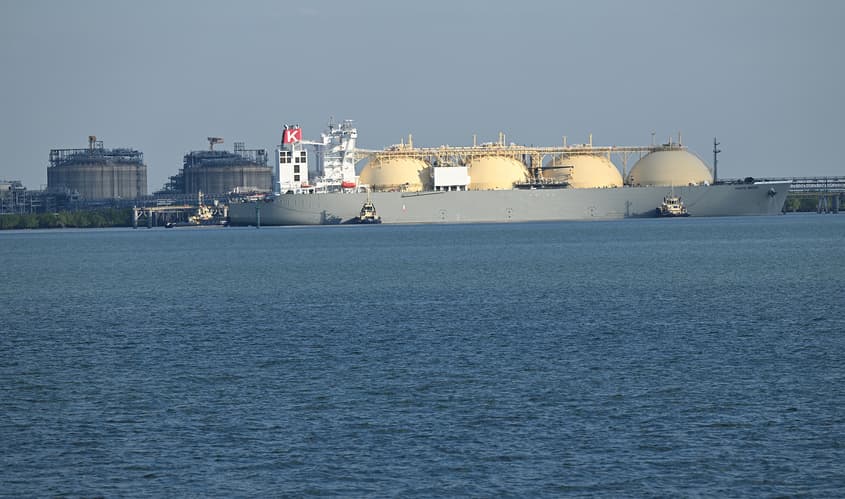
Last week, Senator David Pocock proposed a Senate inquiry into the “extraordinarily low rates of revenue Australians receive from the export of our gas resources.”
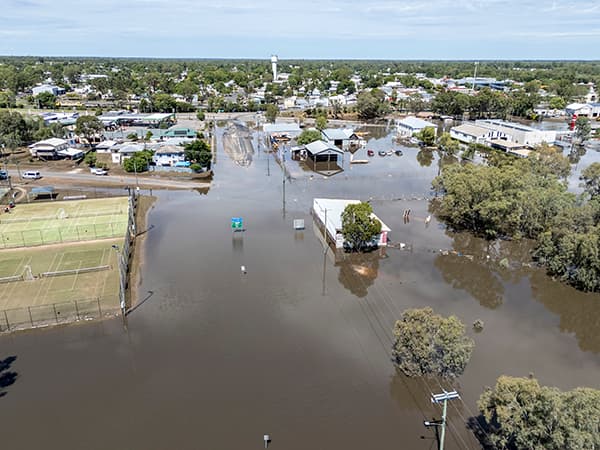
Whether we realise it or not, everyday Australians are already paying for the damage fossil fuel companies are causing to our climate through more frequent and extreme fires, floods, heatwaves and other disasters.
New research shows fossil fuel subsidies will reach $16.3 billion in 2025–26, rising faster than the NDIS. Handouts to mining giants are growing faster than support for Australians with disability.
For the last decade, Australians have been continually told by the gas industry, media commentators and politicians we have a gas shortage. These claims are almost always used to pressure Australian governments to approve open new gas fields on the basis that the gas is needed to supply Australians and reduce gas prices.