On Saturday, South Australians voted decisively to re-elect the first-term Malinauskas Labor Government. While we don’t know exactly how the 47 lower house seats will fall, Labor will have a super-majority having won about 35 seats.
Mon 23 Mar 2026 12.30
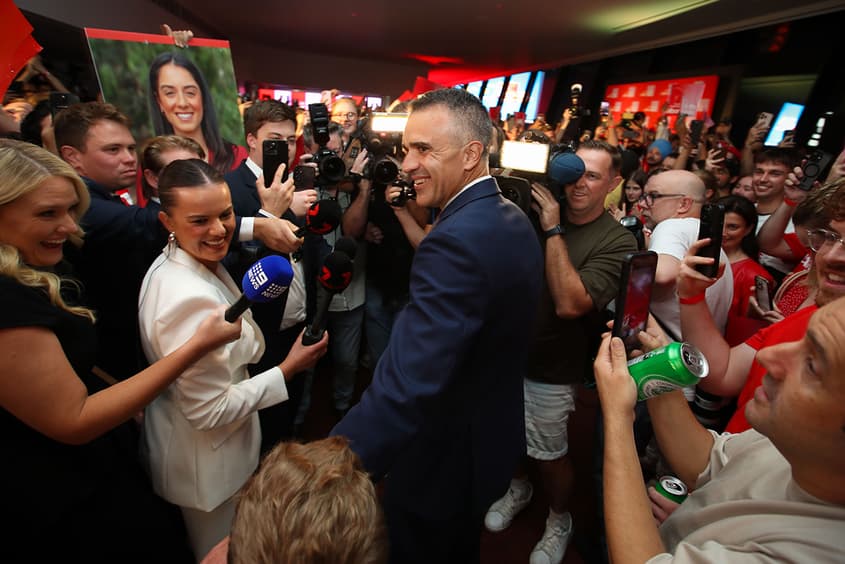
Re-elected SA Premier Peter Malinauskas at his post election function during the South Australian state election in Adelaide, Saturday, March 21, 2026. (AAP Image/Matt Turner)


On Saturday, South Australians voted decisively to re-elect the first-term Malinauskas Labor Government. While we don’t know exactly how the 47 lower house seats will fall, Labor will have a super-majority having won about 35 seats.
The Liberals’ primary vote was lower than One Nation’s, but it looks like the once-major party will win a hair more seats than One Nation and therefore hold onto official Opposition status.
At the time of writing, the ABC gives Labor 32, Liberal 4, One Nation 1 and independents 1, with another 9 seats in doubt. William Bowe of Poll Bludger is more adventurous, giving 2 of the in-doubt seats to One Nation and 1 to an independent, leaving just 6 in doubt. The Greens are a chance in one seat, with a modest swing to the party compared to last election.
The result is a remarkable success for One Nation, mostly at the expense of the Liberal Party. It is their best vote share since the 1998 Queensland state election.
Despite their record seat haul, Labor’s primary vote is down on last election. Added together, the major party primary vote is just 57%; more voters voted for a minor party or independent than voted for Labor or Liberal.
As is often the case with Australia’s “winner takes all” seat elections, Labor’s seat haul is out of proportion with its vote share. There is nothing illegitimate about this; it’s how single-member electorates work – and as is clear from the two-party preferred vote, South Australians overwhelmingly preferred Labor to either the Liberals or One Nation.
That said, proportional representation would better reflect the will of voters.
The seats One Nation does win will be with the benefit of Liberal Party preferences. The Liberals broke from the Howard-era policy of putting One Nation last, instead recommending their voters preference One Nation above the Labor Government.
In terms of whether the Liberal or One Nation brand is more toxic, it’s worth noting that One Nation did not return the favour – instead declining to recommend preferences at all.
How did the Liberals plan to convince voters that One Nation are extreme and unelectable when the Liberals themselves were saying One Nation was preferable to the popular and proudly “centrist” Labor Government?
Quite unjustly, the lower house of the South Australian parliament receives far more attention than the upper house, the Legislative Council. But there has been little doubt that Labor would win the lower house handily, meaning it is the numbers in the Legislative Council that will decide whether the Government must compromise and account for itself.
Half of the 22 Legislative Council members are ongoing and half will be chosen at this election. Labor has won 4 seats, One Nation 2 (and is likely in a third), the Liberals 2 and the Greens 1, with Labor or the Greens in the hunt for another.
It means Labor will not have majority control of the upper house but will have a couple of options for getting its legislation through.
With South Australia in its final week of campaigning ahead of the state election, you may have noticed while there’s been a few scandals around mistaken identity of hospital patients and controversial candidates’ opinions, accusations of politicians lying are muted.
Advertisement
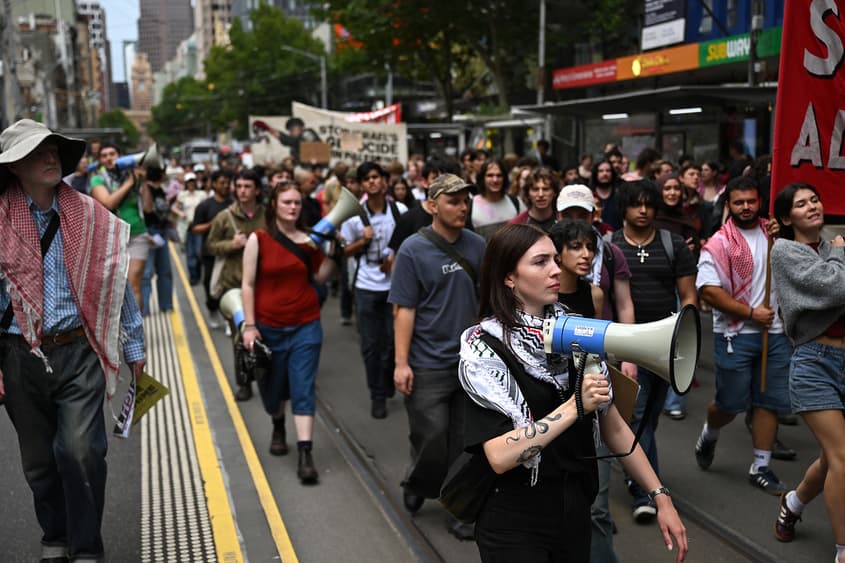
Behind the closed doors of a consultation room, or concealed by impenetrable medical jargon, wrongdoing in the healthcare sector impacts the lives of every Australian.
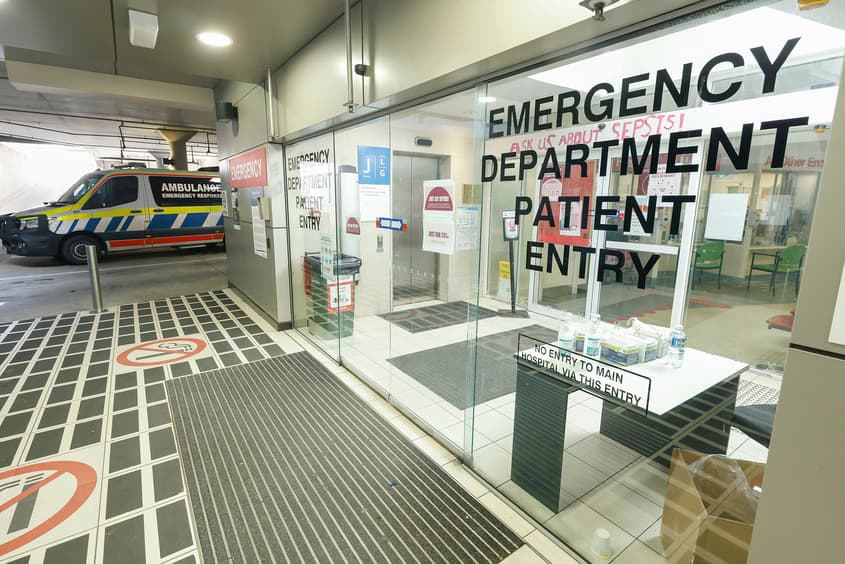
An investigation into the illegal Robodebt scheme has found two senior public officials engaged in corrupt conduct, but the Greens say the political and bureaucratic “architects” have “walked away scot-free”.