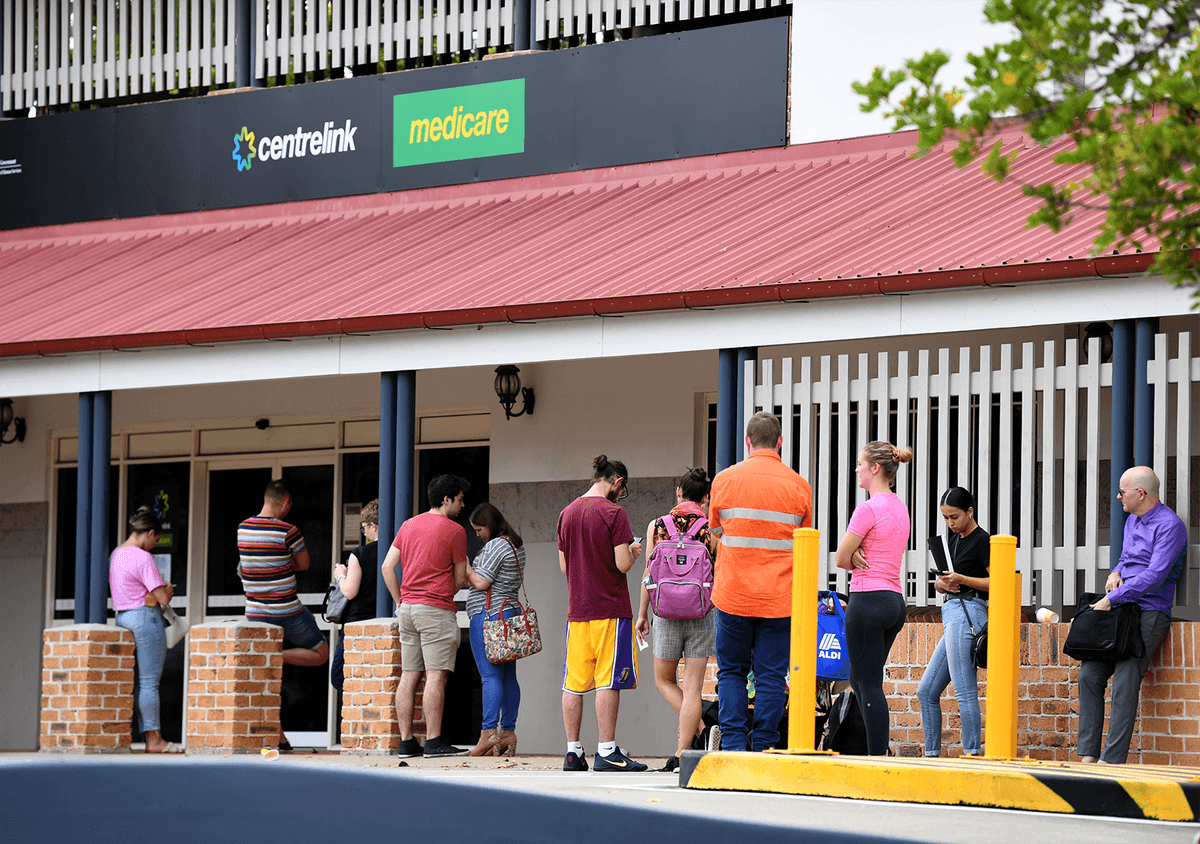
Welfare advocates are calling on the government to lift income support payments ahead of next month’s federal budget as the ongoing fuel crisis threatens to drive a sharp rise in unemployment.
Australia’s jobless rate currently sits at 4.3 per cent, but may not hold for long.
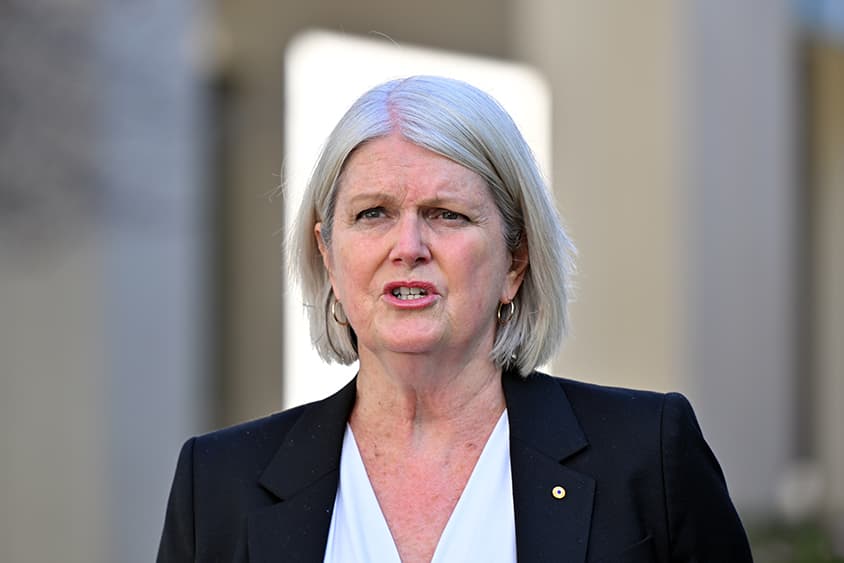
“Some major banks and other forecasters are speculating that, depending on global events, the unemployment rate could rapidly rise,” said the Australian Council of Social Service (ACOSS) CEO Cassandra Goldie.
She said some scenarios suggest it could increase to between 5 and 6.5 per cent by the end of this year.
“This kind of increase could equate to a rise in unemployment of between 100,000 and 300,000. If this were to occur, the important post-pandemic gains in employment for people would disappear,” she added.
Prolonged fuel disruption is expected to drive up costs and slow growth – factors that typically lead to job losses.
Matt Grudnoff, senior economist at the Australia Institute, said rising unemployment is the most damaging consequence of any downturn.
“The reason recessions are so awful is that they cause a big increase in unemployment. Unemployment is terrible for the economy, terrible for society, and most importantly, terrible for the individuals and their families who are unemployed,” he explained.
However, Treasurer Jim Chalmers is confident Australia can avoid recession, even as the fuel crisis deepens.
“We expect our economy to continue to grow, but we are hostage to developments in the Middle East,” he told Sky News.
In Western Australia, Labor Premier Roger Cook was more cautious, saying he had “no confidence” the country could avoid escalation to level three of the national fuel security plan.
“We need to understand that even the tail of this issue, if the Strait of Hormuz was open today, will continue for many months to come,” he said.
ACOSS is calling on the government to increase income support payments, such as JobSeeker and Youth Allowance, to at least $600 per week.
“If unemployment and inflation rise sharply at the same time, the people who will be most affected will be those living on the lowest incomes in our community,” said Ms Goldie.
Mr Grudnoff said those impacts would be made worse by the country’s inadequate income support system.
“Unemployment is made worse in Australia because we condemn the unemployed to poverty because of the totally inadequate rates of JobSeeker. This is totally unnecessary for a rich country like Australia,” he said.
He added that higher unemployment isn’t inevitable.
“Much will depend on the reaction from the Reserve Bank in coming months,” he explained.
The RBA usually combats inflation by raising interest rates, making loans more expensive so people spend less.
But currently, prices are rising, at least in part, because of the oil supply problem triggered by the war in Iran.
“Interest rates cannot control inflation caused by a supply shock, like we’ve seen from the war in Iran,” he explained.
“No matter how high Australian interest rates go, they can never open the Strait of Hormuz.”
The RBA increased the official cash rate by 25 basis points to 4.1 per cent in mid-March.
Its next announcement will be on 5 May, with economists warning another hike would only serve to “further financially squeeze” people already doing it tough.
“We should do everything we can to avoid this. Inflation caused by a supply shock is bad, but a recession would be much worse,” Mr Grudnoff said.
Community advocates are concerned Australia isn’t equipped to deal with that outcome.
“Our social security and employment services systems are not fit to help people and provide the community with the resilience and support it needs,” said Ms Goldie.
Alongside calls to increase direct financial support, ACOSS is urging the government to invest in “fundamentally reforming employment services” to provide more effective support for jobseekers.
The group is also pressing for immediate action to ease inflationary pressures, including temporarily capping wholesale gas prices, further reducing health care costs, capping rent increases, and covering solar subsidies on consumers’ power bills.
“The government must act urgently at the Federal Budget to make sure people are protected and we are well-prepared for any potential economic downturn,” said Ms Goldie.