Australia’s rental market is now “less affordable than ever”, with new analysis showing there are virtually no homes available to people on low wages or income support.
Now in its 17th year, Anglicare Australia’s Rental Affordability Snapshot lays bare the deepening strain on households across the nation.
“The housing crisis is not a short-term shock. It is a design feature of the system,” said Anglicare Australia Executive Director, Kasy Chambers.
The Snapshot surveyed nearly 49,000 rental listings and found only one property nationwide that was affordable for a person on JobSeeker – and none at all for those on Youth Allowance.
For people on the Disability Support Pension or Age Pension, the figures were scarcely better, with only 0.03 per cent and 0.2 per cent of listings within reach, respectively.
“The private market is clearly not delivering. Even full-time workers are being locked out, and people on Centrelink payments are seeing their options shrink year after year,” said Ms Chambers.
“This is what happens when we build a system around investors and hope that housing will trickle down.”
A year after losing her job in retail, Sarah* says even a room in a Melbourne share house is out of reach on JobSeeker.
“I apply for everything I can, but there are dozens of people at every inspection. I don’t even get a call back most of the time,” she said.
She is currently staying with a friend but knows the informal arrangement is temporary.
“I’m constantly worried about where I’ll go next. There’s no safety net. If this falls through, I don’t have anywhere else lined up.”
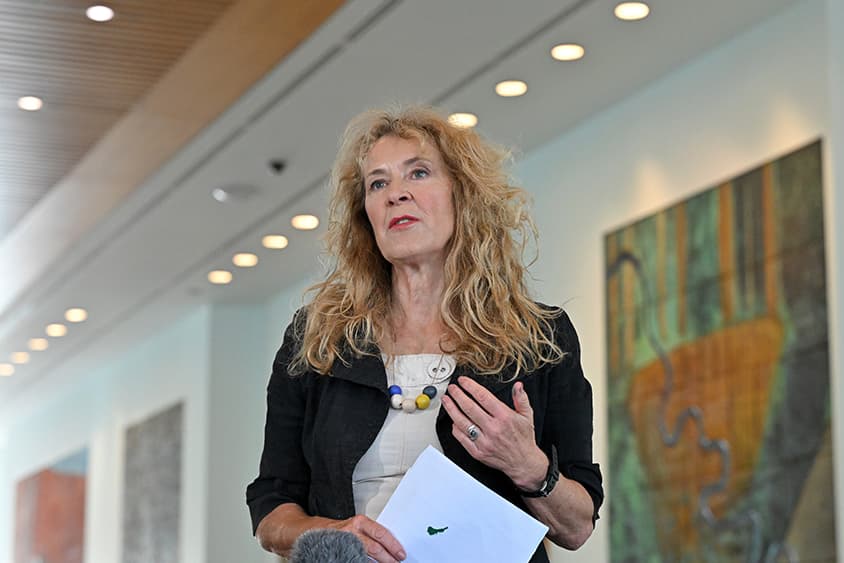
Dr Cassandra Goldie said it’s a story playing out across the country.
“People are living in cars, couch-surfing or skipping food and medicine just to keep a roof over their heads. They are living in unsafe situations because there is nowhere else to go,” the Australian Council of Social Service CEO said.
Liam* moved to Brisbane to study, never expecting he would struggle to find a place to live.
Despite being on Youth Allowance, he’s been unable to secure a rental and is couch-surfing between friends and sometimes sleeping in his car.
“You feel like you’re always imposing on people,” he said. “You can’t settle, you can’t focus on uni properly because you don’t know where you’ll be staying next week.”
“I came here to study and build a future, but it’s hard to see how I can keep going if I can’t find somewhere stable to live.”
The analysis found a full-time minimum wage worker could afford just 0.5 per cent of listings, while even a couple on two minimum wage incomes could secure only around 15 per cent of rentals.
That shortfall is putting homelessness services under unprecedented strain.
“The intensity of housing exclusion revealed in the Rental Affordability Snapshot is driving unprecedented number of Australians to the financial brink,” said Kate Colvin, CEO of Homelessness Australia.
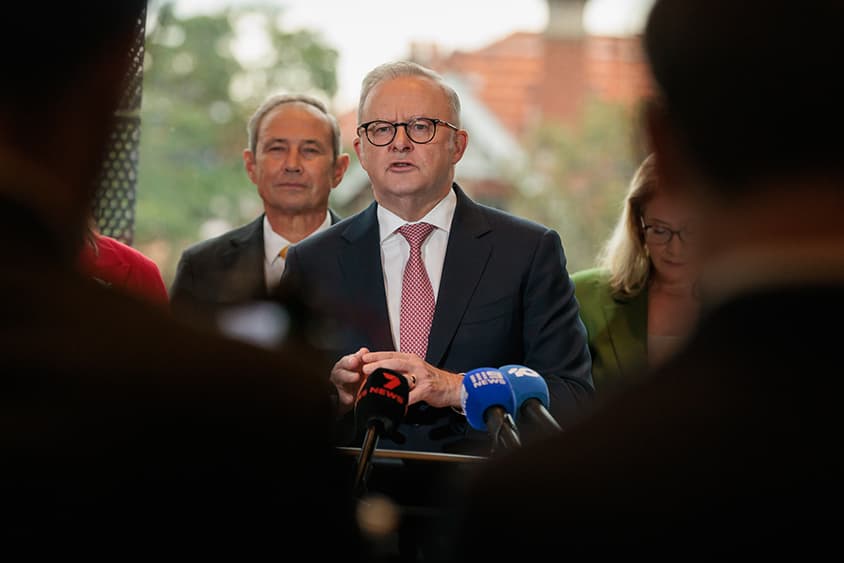
Anglicare Australia is calling on the Albanese government to axe tax breaks for investors and spend more on building public and community housing.
“In the next Budget, the Government has a real opportunity to reset the system by winding back unfair tax breaks and investing in the homes Australia actually needs,” Ms Chambers said.
Treasurer Jim Chalmers is tipped to use next month’s budget to scrap the 50 per cent capital gains tax discount, with questions remaining over whether the changes would be grandfathered.
“It’s well past time for the Albanese Government to end these unfair tax breaks, invest in public housing, and encourage long-term, responsible investment in providing private rental homes,” said Angela Cartwright, CEO of Better Renting.
Advocates say the crisis reflects years of flawed policy.
“When there are effectively no affordable homes for people on JobSeeker, Youth Allowance or even the minimum wage, this is not a market under pressure. It is a system in failure,” said National Shelter CEO Jackson Hills.
Dr Goldie also urged the government to increase income support payments, warning that as unemployment rises, more Australians will be pushed into financial hardship.
“This federal budget is the moment for the government to provide real change to raise income supports, wind back unfair tax breaks, invest in social housing, and properly resource the critical services that support people in crisis,” she said.
Treasurer Jim Chalmers will hand down the budget on 12 May 2026.