The United Nations has issued a rare warning to Australia over the treatment of Aboriginal and Torres Strait Islander children in the justice system, saying it held “grave concerns” about systemic racial discrimination and over-incarceration.
The UN Committee on the Elimination of Racial Discrimination (UNCERD) said it was “alarmed” by what it described as discriminatory policing practices contributing to the continued overrepresentation of Indigenous children in detention.
“Racial profiling in law enforcement operations and the over-policing” are resulting in “higher incarceration rates among Indigenous children,” said the Committee.
The Human Rights Law Centre (HRLC) said Australia had been “put on notice” and that the findings should serve as a wake-up call to governments.
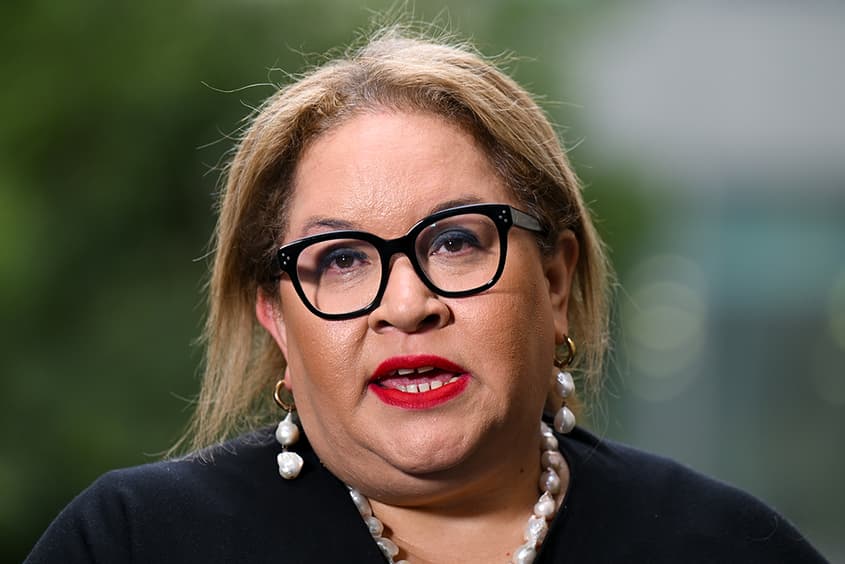
“Children deserve care, not cages,” said Maggie Munn, HRLC’s First Nations Justice Director.
“Governments across Australia are fuelling a mass incarceration crisis and violating the human rights of Aboriginal and Torres Strait Islander children with punitive laws.”
The Committee noted that Aboriginal and Torres Strait Islander children accounted for 65 per cent of children in detention on an average day in 2023-24, despite making up only 6.5 per cent of children aged 10 –17 in Australia.
It said it held “grave concerns” about the harsh conditions children endured, including “solitary confinement for prolonged duration, ill-treatment and the use of spit hoods, and cases of self-harm and suicide”.
“We say we are a country that condemns racism, yet it is evident that the criminal justice systems and laws are racially discriminatory,” said Associate Professor Hannah McGlade.
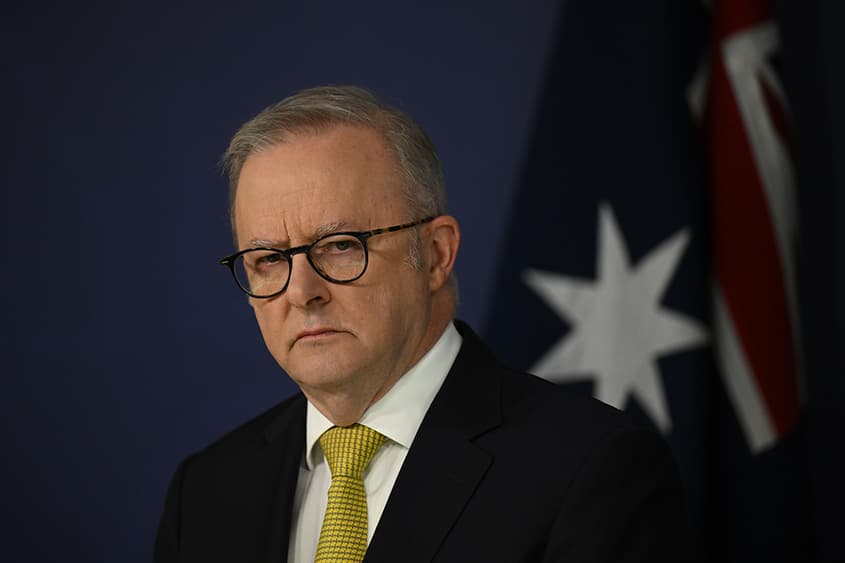
“The Albanese Government can’t simply neglect its obligations under international law.”
The UN’s intervention followed a complaint lodged last year by Professor Megan Davis AC and Associate Professor McGlade.
“Following the 50th anniversary of the Racial Discrimination Act, this decision reveals the many ways Australia is ignoring its human rights obligations, and our children are paying the price,” said Professor Davis AC.
The Committee criticised Queensland’s “Adult Crime, Adult Time” laws that allow “harsh adult penalties to be applied to Indigenous children, including life imprisonment in some cases”.
It further highlighted that across much of Australia, children can still be held criminally responsible at the age of ten – far lower than the 14-year threshold under international human rights law and standards.
“Governments across Australia know that tough on crime approaches in youth justice do not work,” said Professor Davis AC.
“Instead of persisting with this approach, they must ensure that the community is safe and the conditions that render Indigenous children vulnerable to offending and reoffending are mitigated.
“This warning from the UN is loud and clear, and the time to act is now.”
The UN has called on Australia to “intensify and accelerate its efforts to eliminate racial discrimination against Indigenous children” and “address the persistent overrepresentation of Indigenous children in the criminal justice system”.
Measures recommended include reviewing laws to ensure they’re not unfairly harming Indigenous children, and explicitly banning police from racial profiling.
“We want to see leadership from Prime Minister Albanese, who must lead with integrity and ensure that racism is resoundingly rejected for First Nations children,” said Associate Professor McGlade.
HRLC Director Munn said communities “have the solutions” needed to drive change.
“For decades, Aboriginal and Torres Strait Islander communities have implored governments to take real action on reducing the number of our children behind bars,” she said.
“Governments across Australia must urgently invest in self-determined supports that address children’s unmet needs and stop funnelling our kids into prisons.”