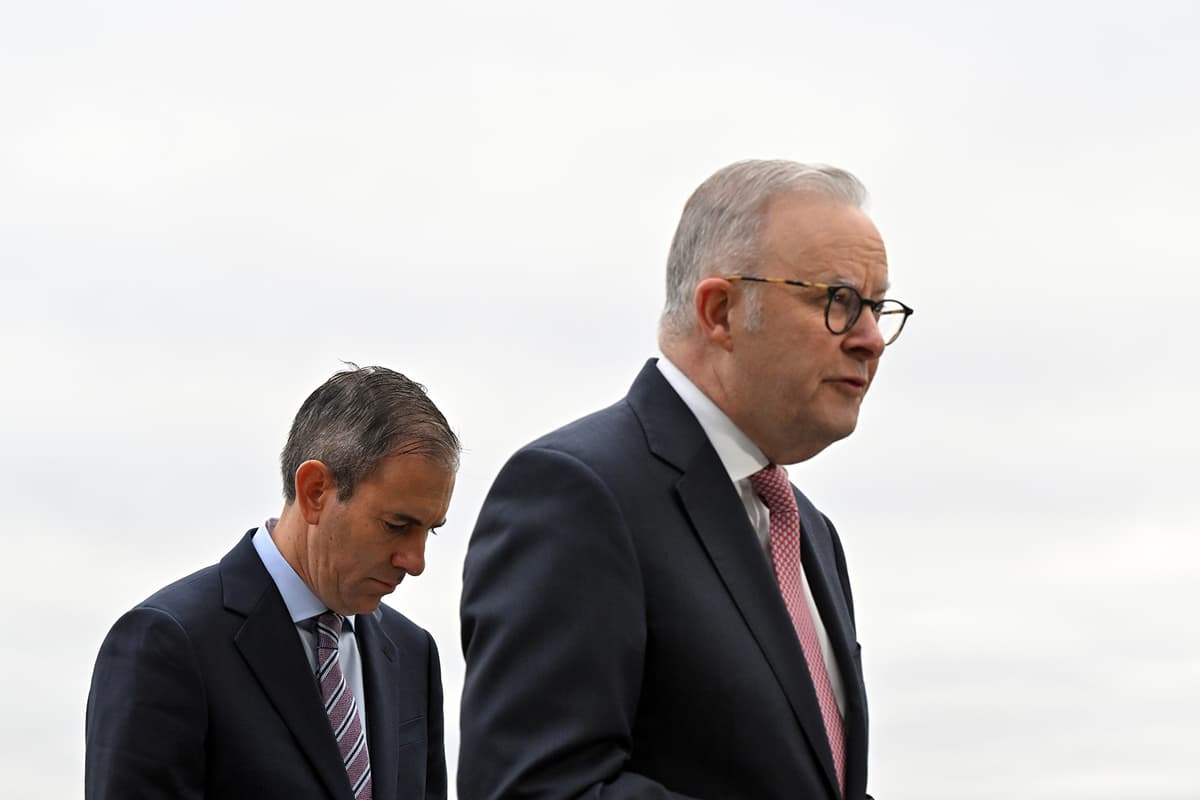
The Albanese government has been accused of ‘manufacturing consent’ for sweeping cuts to the NDIS while failing to invest in the social supports needed to replace them.
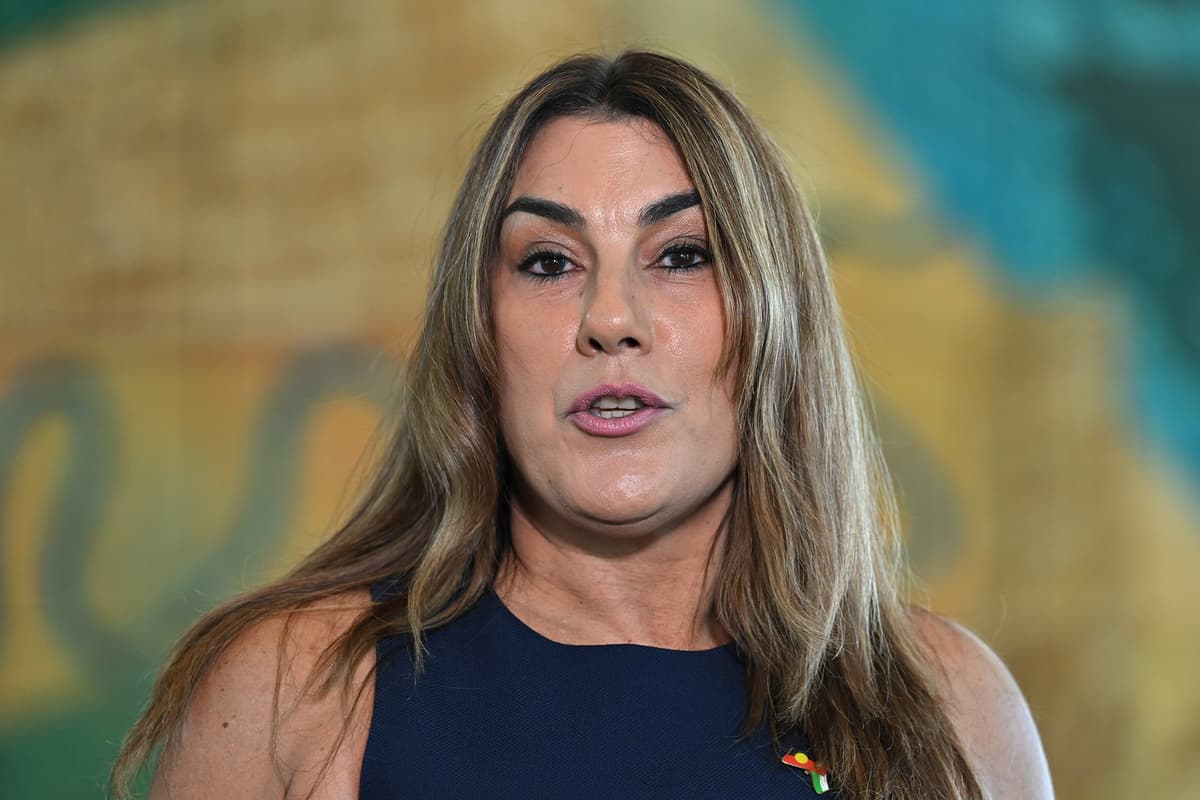
Speaking on the Antipoverty Centre’s post-budget briefing, the Australia Institute’s chief political analyst Amy Remeikis said Labor had spent years laying the groundwork to cut back NDIS spending by focusing public attention on isolated cases of fraud and misuse.
“They started leaking stories about how the NDIS funds were being misused,” she said.
“They basically just tried to organise as much anger as possible.”
The national scheme is being overhauled as the government moves to save $36.2 billion over the next four years.
Changes to eligibility requirements are expected to see 160,000 participants cut from the program, with disability advocates describing the reforms as ‘revolting’ and ‘frightening’.
Health Minister Mark Butler said it was necessary to rein in spending to ensure the long-term sustainability of the program.
“What was interesting about that from my perspective was that just a week or two before, the government had completely ruled out any changes to fossil fuel subsidies,” pointed out Ms Remeikis.
“And the reason that is interesting is because fossil fuel subsidy growth is actually outstripping the funding growth of the NDIS.”
In the last financial year, Australia’s state and federal governments provided $16.3 billion in subsidies to fossil fuel producers – a year-on-year increase of 9.4 per cent.
By contrast, the cost of the NDIS increased by only 7.6 per cent over the same period.
“The government has basically said, ‘no, we’re not touching any of the fossil fuel subsidies, but what we are going to do is start limiting the growth of the NDIS’, and they were able to do that, as I said, because they had spent so long laying the groundwork within the wider community,” she said.
Prime Minister Anthony Albanese has been accused of capitulating to the gas industry after ruling out a 25 per cent export levy, a measure supporters say could raise $17 billion in revenue each year.
Critics and advocacy groups have also raised concerns about what services would replace supports removed from the NDIS, particularly for children and people requiring early intervention.
“The states, they don’t know,” Ms Remeikis said. “The government is just saying ‘we’re going to move you across to the states for a lot of those early interventions, and good luck with that’.”
Housing reforms were another major feature of the budget, with advocacy groups welcoming Treasurer Jim Chalmers’ decision to wind back the capital gains tax discount.
However, House You – a housing justice movement – criticised the retention of grandfathered negative gearing concessions for existing investors.
“That is not bold and that is not reform,” said founder Chels Hood Withey.
“It is protecting every existing investor who is already hoarding homes, who are squeezing working people together and tighter with higher and higher rent.
“It’s essentially a get out of jail free card for the house hoarders who have created this rigged game and who are highly profiting off us just needing a basic human right such as shelter.”
They said instead of increasing rent assistance for people on AusStudy and Youth Allowance, the money should have gone towards building more public housing.
“So, what did this budget fail to deliver? Public housing. It’s a no-brainer,” they said.
“We haven’t had a single mention of public housing this budget. It happens year after year.
“This government and previous governments have literally wiped their hands of the essential service that is public housing.”
Speakers at the webinar argued Opposition Leader Angus Taylor’s budget reply was no better, describing parts of his speech as ‘revolting’ and ‘deeply divisive’.
“I’ve got to hand it to Angus Taylor. I was surprised by how boring and also violent and upsetting this sort of rhetoric is because it’s just such a tired trope,” said Isabel Truong, a carer who also works at the Antipoverty Centre.
Taylor announced a “far-reaching and unprecedented housing policy”, which he said was “also an immigration policy that puts Australians first”.
The plan caps net overseas migration to the number of new homes built in the country over the previous year.
The Coalition would also cut welfare payments for non-citizens, a measure Taylor said would save the budget “many billions, many billions” over the next four years.
Ms Truong said it was unfair to people such as her mother who are trying to build a life in Australia but “have to accept crumbs” and “constantly have to perform gratitude”.
“They’ve done all this work to contort themselves into this tiny, tiny thing that’s constantly grateful and constantly says, ‘I’m so lucky to be here and I’m so thankful that this country accepted me’, said Ms Truong.
“When the going gets tough, we come up against the product of our own intentional, deliberate policy failures, who are the scapegoats? What are the solutions that we bring up? That migrants are bad, and job bludges are bad and welfare is bad.”
The Coalition’s proposal would mean 17 welfare programs, including the NDIS, Jobseeker, Youth Allowance and the Family Tax Benefit, would be for Australian citizens only.
“It reframes the housing crisis and the inequality crisis as being problems that have been imported into Australia from overseas, as opposed to problems that have been substantially created by politicians like Angus Taylor,” said Maiy Azize from national housing campaign Everybody’s Home.
“When you talk about services like the NDIS in terms of scarcity and there being too much demand for them, that also paves the way for people who need to access those services, wherever they come from, being viewed as a problem.
“We all know the government has created the inequality crisis by systematically defunding or failing to properly fund incomes.”