Major investors, unions, businesses, survivor advocates and human rights groups are calling on the Albanese government to urgently strengthen Australia’s Modern Slavery Act.
In a letter to Attorney-General Michelle Rowland, 105 signatories argued that large businesses operating in Australia should be required to do more than simply report risks; instead, they should take significant action to address them.
“From boardrooms all the way to the factory floor, there is clear support for reforming Australia’s modern slavery laws,” said Freya Dinshaw, Associate Legal Director, Human Rights Law Centre.
“We need rules that require companies to take reasonable and proportionate steps to prevent modern slavery, and accountability for those that fail to comply.”
The renewed push comes as the government prepares to undertake targeted consultations with stakeholders, three years after an independent review of the Modern Slavery Act found the legislation had not yet “caused meaningful change”.
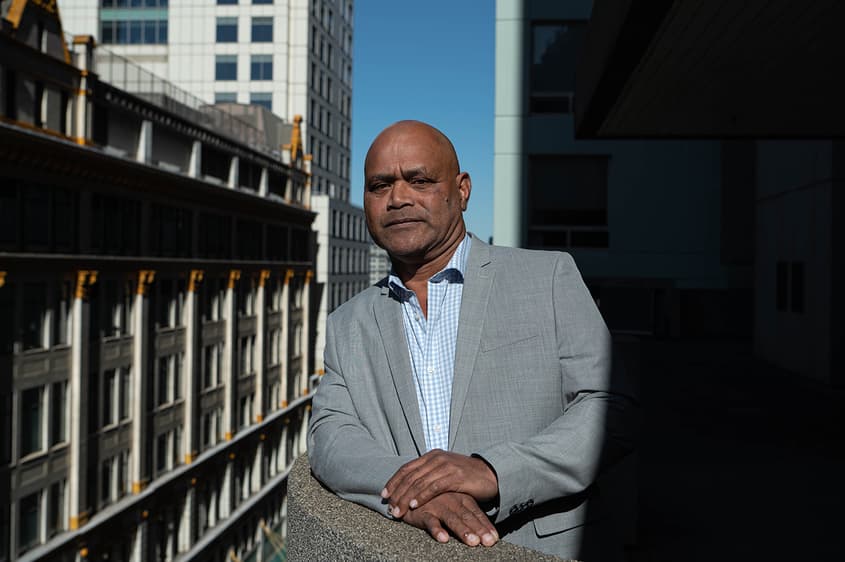
“People with lived experience of modern slavery like myself had high hopes for the Modern Slavery Act. We still do,” said Moe Turaga, a lived experience advisor with anti-slavery organisation Domus 8.7.
“But over seven years since the Act came into force, I am frustrated we are still not seeing meaningful change to the circumstances of people most at risk.
“Too many organisations are still ignoring their basic reporting responsibilities.”
According to Walk Free’s Global Slavery Index, an estimated 50 million people globally – including around 41,000 people in Australia – are living in conditions of modern slavery and forced labour.
“No worker should be forced into dangerous, exploitative work that puts their health and safety at risk,” said Australian Council of Trade Unions President, Michele O’Neil.
Ms O’Neil urged the Albanese Government to strengthen the Act in line with the review’s recommendations, which were tabled in Parliament in May 2023.
“It’s past the time to toughen our Modern Slavery Act,” she said.
Broader consultations began in July 2025.
In January 2026, the Office of the Australian Anti-Slavery Commissioner released a position paper outlining its recommendations, identifying mandatory due diligence requirements as a key priority.
“The people who make the goods and deliver the services that Australians rely on every day deserve freedom, dignity, and the chance for their families to thrive,” the report stated.
“Yet modern slavery remains embedded in global supply chains, including those connected to Australia.”
Walk Free Founding Director Grace Forrest said the legislation needed to shift companies away from merely reporting on risk and toward actively reducing it.
“There is increasing global momentum to move beyond transparency to accountability,” she said.
“Our trading partners are adopting mandatory due diligence and stepping up import restrictions on goods made with forced labour.
“Australia can’t afford to be the weak link.”
Supporters argue the changes would not only protect workers but also benefit businesses.
“Laws that clarify that actually the goal is due diligence – not just corporate reporting – would drive real impact for workers while unlocking value for business,” said Shaeron Yapp, Independent Member of the Modern Slavery Expert Advisory Group.
“Done well, due diligence can improve productivity through more resilient, efficient supply chains and business operations.”
Investor groups warned companies that fail to address exploitation risks could face long-term financial consequences.
“Exploitation isn’t a sustainable business model, and investors are pricing that risk in,” said Estelle Parker, Co-CEO of Responsible Investment Association Australasia.
“Strong human rights due diligence helps identify risks early, prioritise what matters most, and reduce material financial risk – something every investor recognises as essential to portfolio resilience.
“A business model that relies on underpaid workers, weak regulation or illegal activities like modern slavery, will unlikely produce sustainable earnings.”
The position paper also called for the Anti-Slavery Commissioner to be given the power to officially declare that certain products, services or industries carry a high risk of modern slavery.
Companies would then be required to demonstrate they had properly identified, examined and addressed those risks.