Conservation groups have accused Woodside Energy of being “grossly negligent” over its decision to abandon key gas emissions and clean energy investment targets.
Wed 2 Sep 2026 01.00 AEST
Photo: AAP Image/Mick Tsikas

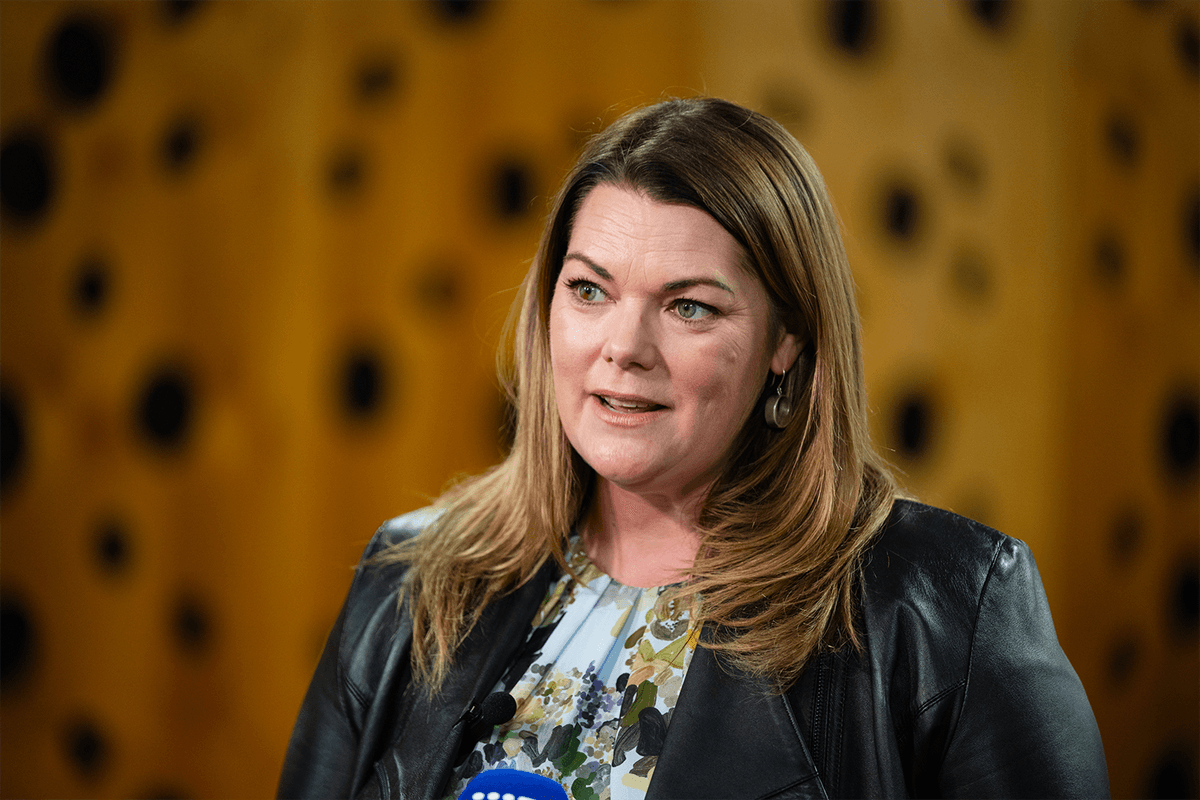
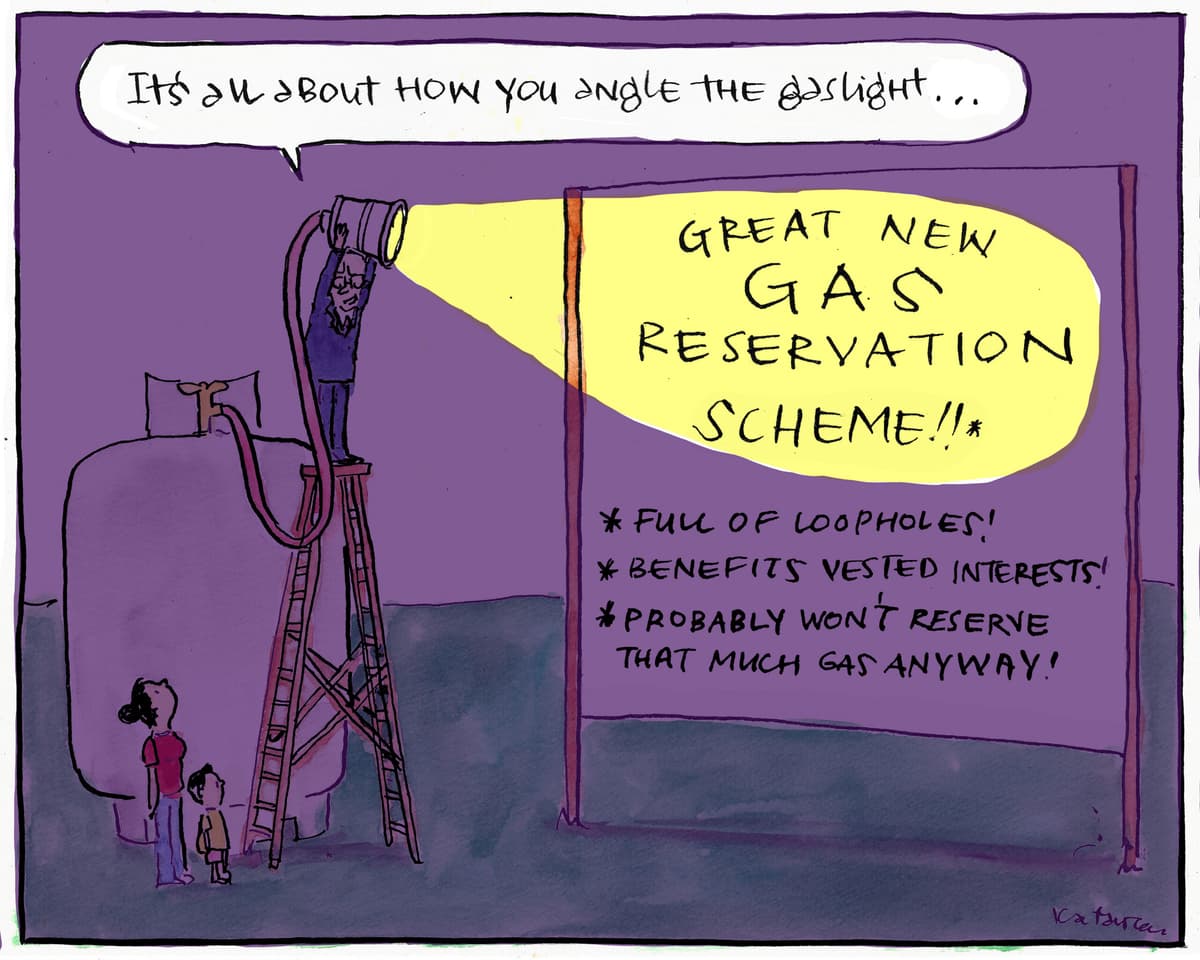
Greens Senator Sarah Hanson-Young said on ABC’s 730 last night that a 25% tax on gas exports would be “bigger and simpler” than Labor’s proposed gas reservation policy. She's right.
Conservation groups have accused Woodside Energy of being “grossly negligent” over its decision to abandon key gas emissions and clean energy investment targets.
In its half-year results, the oil and gas giant reported a US$1.7 billion net profit after tax, an increase of 27 per cent year on year, as oil prices surged amid conflict in the Middle East.
CEO Liz Westcott used the announcement to reveal the company would “retire” its Scope 3 investment and emissions abatement targets, including plans to invest US$5 billion in clean energy projects and lower-carbon services by 2030.
Instead, Ms Westcott said the company’s climate targets would align with the “pace of the global energy transition”.
However, the Conservation Council of Western Australia (CCWA) said the pace had only changed because fossil fuel corporations like Woodside “use all the delay tactics they can to keep their industry on life support”.
“Woodside takes Australian gas for free and exports it overseas, driving up climate pollution and domestic energy prices,” said Conservation Council of Western Australia (CCWA) Executive Director Matt Roberts.
“It’s time they were held accountable and not allowed to cut and run at a time when the impacts of climate change have never been more prevalent in Australia and around the world.”
Farmers for Climate Action (FCA) said it was “extremely disappointed”, warning farmers were already grappling with skyrocketing fuel and fertiliser prices alongside the direct impacts of climate change.
“We know that every tonne of fossil fuel pollution pumped into the atmosphere makes the climate challenge harder for Australian farmers,” said FCA CEO Verity Morgan-Schmidt.
“Climate change, caused by pollution, is already costing our broadacre producers an average of $28,500 per year.
“This is happening because pollution has created a blanket around the earth which is keeping the heat in.”
Quality research, analysis, explainers and factchecks from experts you can trust.
Harden farmer Peter Holding said it was easy for companies such as Woodside to talk about climate targets when it suited the company.
“But the minute it gets hard, they walk it back and go straight back to digging up carbon and burning it, like nothing’s changed,” he said.
“We don’t get that luxury out here, we’re the ones dealing with the increasingly volatile weather that their climate pollution creates, season after season.”
FCA said farmers were also taking action to reduce on-farm emissions, adopting clean energy and experimenting with electrification.
“Farmers are paying the price for this in flood damage, drought, fires and insurance bills. Woodside is paying itself in dividends,” said Louise Morris, Head of Fossil Fuel Transition at the Australia Institute.
“Retiring a Scope 3 target doesn’t reset that ledger, it just removes the fig leaf.”
The announcement comes as the Albanese government reviews its flagship climate policy, the Safeguard Mechanism.
“This isn’t just Woodside stepping back from yet another climate commitment. It’s Woodside admitting the commitment was never real,” said Ms Morris.
She pointed to Australia Institute research that found Woodside met its Safeguard Mechanism obligations for the North West Shelf project entirely through carbon offsets, rather than any real emissions reductions.
“That’s the same playbook Woodside has used for years: talk up targets, cook the books with dodgy credits, then quietly drop the target once even the paper trail becomes inconvenient,” she said.